
5 Signs Your Drainage System Needs Attention This Spring
Spring has a way of exposing what winter quietly stressed. Snowmelt, spring rains, and soggy ground can reveal weak spots in a drainage system that looked fine a few months ago. Water moves differently once the soil thaws, and small grading shifts or clogged pathways can suddenly show up as puddles, muddy turf, or runoff carving lines through a bed.
The problem is not only cosmetic. When excess water lingers, it can starve roots of oxygen, soften soil under hardscapes, and push moisture toward foundations. The solution starts with noticing the right signs early, then addressing the root cause instead of chasing symptoms. Below are five spring red flags that often signal a drainage system needs professional attention.
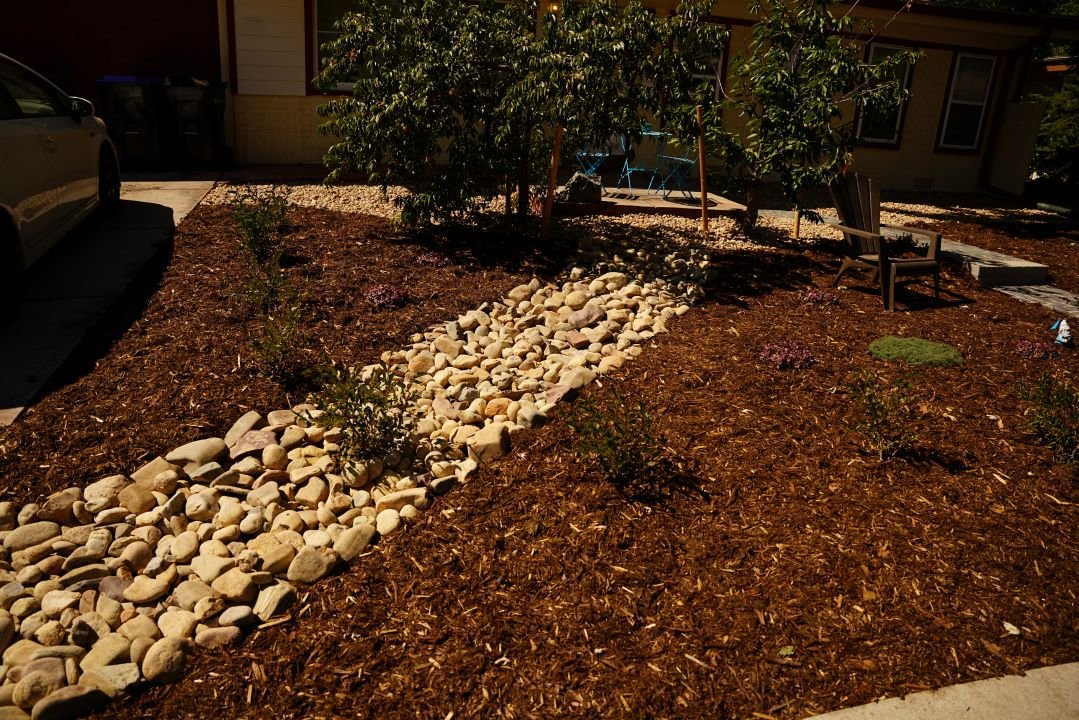
1. Pooling water that lingers after rain
Immediate answer: If standing water remains in the same area for more than 24 to 48 hours after rain or snowmelt, your drainage system is not moving water efficiently.
Here are the most common pooling patterns that point to a drainage issue:
Water collecting in low lawn areas that never fully dry
Puddles forming near downspouts or at the end of gutter discharge points
Standing water along fence lines or property edges
Water sitting at the base of slopes instead of draining away
Repeating puddles in the exact same spot after every storm
Pooling is more than a nuisance. It compacts soil over time, weakens turf roots, and creates a cycle where the ground absorbs less and less water. If pooling repeats, the underlying issue is usually grade, compaction, or an overwhelmed or blocked drainage route.
2. A spongy lawn and patchy spring growth
Immediate answer: A lawn that feels soft underfoot and shows uneven green-up is often dealing with saturated soil, which points back to drainage performance.
When soil stays wet, oxygen in the root zone drops. Turf roots weaken, and grass becomes more vulnerable to thinning, disease pressure, and weed takeover. In spring, this often shows up as slow growth in certain sections even while nearby areas look healthy.
A few clues suggest the moisture issue is systemic, not just “spring weather”:
Footprints stay visible because the ground rebounds slowly
Grass blades yellow in localized patches even with normal watering habits
Moss or moisture-loving weeds appear where grass struggles
The lawn smells musty in the same areas after rain
This is also where well-intended quick fixes can make things worse. Adding material on top, re-seeding without correcting the water path, or changing bed edges without adjusting flow can trap water in new ways. If you want a clear picture of how small outdoor decisions can backfire, this resource on DIY landscaping mistakes connects the dots between overlooked details and long-term damage.
3. Erosion, washouts, or mulch that keeps migrating
Immediate answer: If soil is moving, your drainage system is letting runoff travel across the surface with enough force to carry material away.
Erosion is one of the easiest signs to spot in spring because thawing ground plus rainfall creates quick runoff. Look for:
Channels or grooves cut into slopes after storms
Mulch drifting into lawn areas or piling against edging
Exposed roots in beds where soil used to sit higher
Sediment collecting on patios, driveways, or at bed bottoms
Rock or gravel areas sinking unevenly where water funnels through
Once erosion starts, it tends to accelerate. Water follows the path it already carved, deepening the channel and stripping more topsoil. That can destabilize plantings, shift bed lines, and create low spots that hold even more water. A drainage system that manages water at the source helps prevent both the runoff and the repair cycle that follows.
4. Moisture showing up where it should not be, especially near structures
Immediate answer: Damp areas near the home’s perimeter often indicate water is not being directed away quickly enough.
Not every moisture signal near a structure means a major problem, but spring is the right time to take it seriously. When water sits near foundations, it can seep into tiny cracks, increase indoor humidity, and soften soil around footings.
Common warning signs include dampness that repeatedly appears in the same areas:
Soil staying dark and wet right against foundation edges, water staining on lower exterior surfaces, persistent dampness near basement window wells, and puddling near steps, patios, or garage approaches.
This is where a full drainage system assessment matters. The goal is to identify how water is arriving there, whether it is runoff from a slope, downspout discharge, compacted soil, or a blocked subsurface route. Fixing the pathway is typically more effective than repeatedly drying the surface and hoping the pattern disappears.
5. Recurring ice zones from winter that turn into spring sogginess
Immediate answer: If a spot repeatedly iced over in winter, spring often reveals the same area as persistently wet or unstable, which points to drainage design or capacity issues.
Ice buildup is rarely random. It often forms where water consistently collects or slowly leaks, then freezes. When temperatures rise, those same areas can stay saturated, causing soil softness and surface damage.
Spring clues tied to winter ice patterns often include:
Cracked or flaking concrete where ice used to sit
Soft, muddy areas that match last season’s icy patches
Bed edges that look collapsed or washed out near former ice zones
Downspout discharge areas that still look waterlogged
Walkways that stay damp while nearby areas dry normally
If you want a deeper look at why ice forms around homes and what drainage corrections help prevent it, this article on drainage fixes explains the underlying causes and the types of solutions that address them.
FAQ
How long should water sit before it becomes a drainage problem?
If standing water remains after 24 to 48 hours in mild spring conditions, it is usually a sign the drainage system is not keeping up. Repeating puddles in the same location are especially telling.
Can clay soil make a drainage system look worse in spring?
Yes. Clay-heavy soil drains slowly and holds water longer, which can magnify grading and runoff problems. A good drainage plan accounts for soil type rather than fighting it season after season.
Is it normal for mulch to move after spring storms?
A small amount of movement can happen, but repeated washout is a sign that runoff is flowing through the bed. That usually means water is traveling across the surface instead of being captured and redirected.
Should I wait until summer when the yard dries out?
Waiting often hides symptoms instead of solving them. Spring is the best time to evaluate water movement because it shows where the drainage system struggles under real moisture load.
Conclusion
Spring is when a drainage system either proves itself or shows its weak points. Pooling water, spongy turf, erosion, unwanted moisture near structures, and repeated winter ice zones that turn into soggy patches all suggest water is not being managed efficiently. Addressing these signs early helps protect turf health, planting stability, hardscape performance, and long-term property integrity.
A smarter spring water plan
For a professional evaluation and a clear plan to improve your drainage system this spring, contact Highlands Landscaping to request a consultation.
