
7 Hardscape Features That Boost Outdoor Living
Outdoor spaces often begin with good intentions. A patch of lawn here, a few plants there. But without structure, these areas can feel unfinished or underused. Many homeowners find that their yards lack the comfort, flow, or usability needed for daily enjoyment.
The solution often lies in well-planned hardscape features. These permanent elements bring definition, purpose, and durability to outdoor environments. When thoughtfully designed, they transform open spaces into functional extensions of the home. Below, we explore seven essential hardscape features that enhance outdoor living while highlighting why professional planning makes a measurable difference.
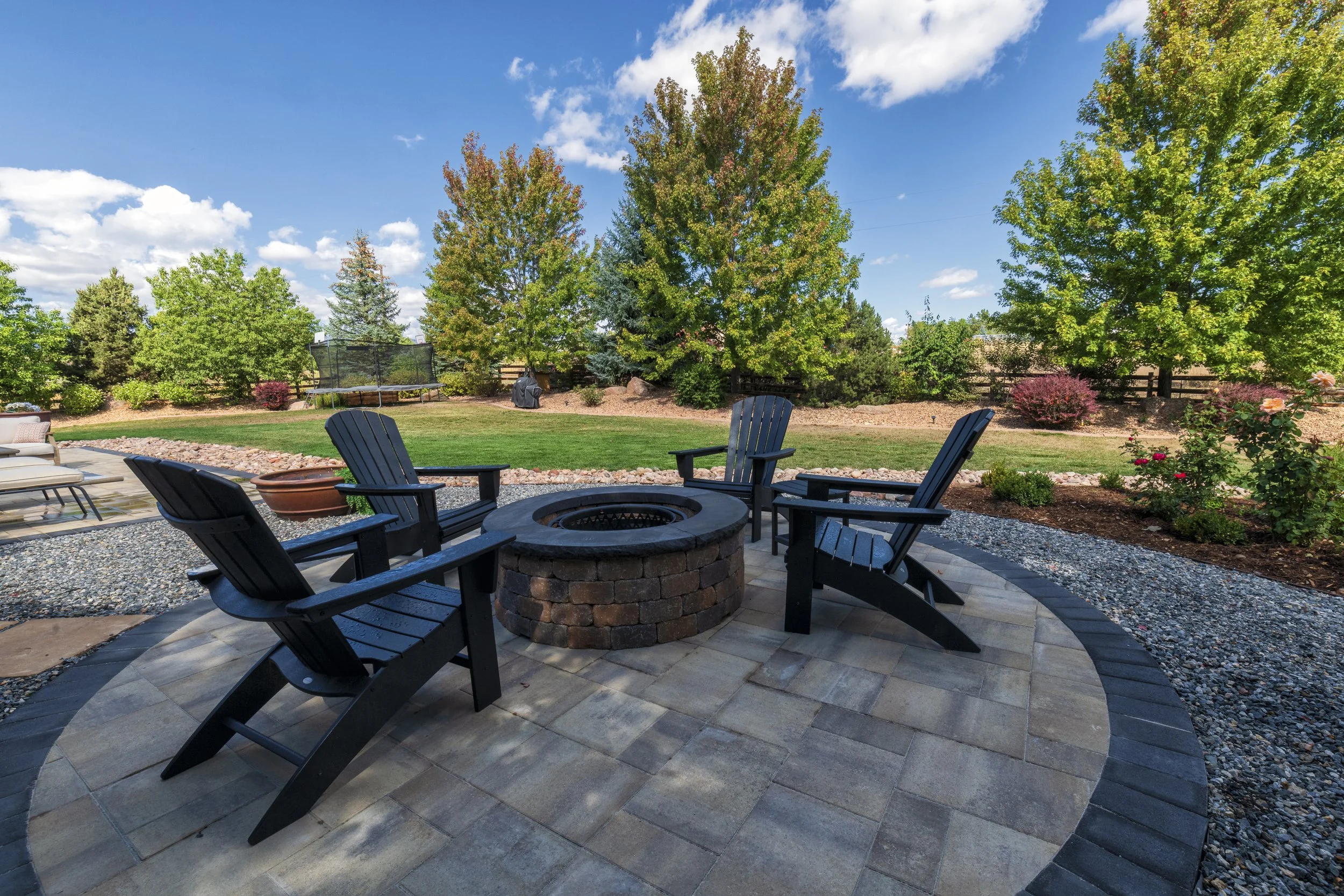
1. Patios That Anchor the Entire Space
A patio is often the foundation of outdoor living. It creates a stable, inviting area where people gather, dine, and relax. Without it, outdoor spaces can feel scattered and disconnected.
Well-designed patios do more than provide a surface. They establish flow between indoor and outdoor areas, making transitions feel natural. Material selection also plays a critical role. Stone, pavers, and concrete each offer unique durability and aesthetic qualities.
Key considerations include:
proper grading to prevent water pooling
base preparation for long-term stability
material choice that matches climate conditions
layout that complements the home’s architecture
A poorly installed patio can shift, crack, or collect water over time. Professional planning ensures structural integrity and long-term usability.
2. Retaining Walls That Add Structure and Support
Retaining walls are both functional and visual. They manage elevation changes, prevent soil erosion, and create usable flat areas where slopes once existed.
Beyond function, they add dimension and character. Layered walls can define planting zones, seating areas, or pathways.
When designed correctly, retaining walls provide:
soil stabilization on sloped terrain
improved drainage control
expanded usable space for outdoor living
visual depth through tiered landscaping
Improper construction can lead to wall failure or drainage issues. Load-bearing calculations and proper reinforcement are essential, which is why professional installation is critical.
3. Outdoor Kitchens That Extend Everyday Living
Outdoor kitchens turn a backyard into a true living space. They shift cooking and gathering outside, making entertaining more natural and enjoyable.
These features go far beyond a simple grill. A complete setup can include countertops, storage, refrigeration, and even built-in seating.
Design considerations often include:
placement relative to the main house
wind direction and ventilation
durable materials that withstand weather exposure
utility connections for gas, water, and electricity
Without proper planning, outdoor kitchens can become underused or difficult to maintain. Strategic design ensures convenience, efficiency, and longevity.
4. Walkways That Guide Movement and Flow
Walkways are often overlooked, yet they shape how people experience a space. Without defined paths, landscapes can feel disorganized or difficult to navigate.
A well-designed walkway connects key areas such as patios, gardens, and entry points. It also protects lawn and planting areas from foot traffic damage.
Effective walkways typically include:
consistent width for comfortable movement
materials that provide traction and durability
gentle curves or lines that guide visual flow
integration with surrounding landscape features
Seasonal planning is also important. For example, preparing outdoor spaces ahead of warmer months can improve usability. Insights from this guide on outdoor space for spring highlight how timing impacts overall landscape performance.
5. Fire Features That Create Year-Round Comfort
Fire features extend the usability of outdoor spaces beyond warmer seasons. They provide warmth, ambiance, and a natural gathering point.
Options range from simple fire pits to fully integrated fireplaces. Each brings a different scale and design impact.
Common benefits include:
increased comfort during cooler evenings
enhanced visual appeal and focal points
expanded use of outdoor areas throughout the year
added value to the overall property
Placement and safety are critical. Proper spacing, ventilation, and material selection ensure that fire features remain both functional and safe over time.
6. Water Features That Introduce Calm and Balance
Water features bring a sensory element to outdoor living. The sound of moving water can soften surrounding noise and create a more relaxing atmosphere.
Popular options include fountains, ponds, and cascading waterfalls. Each can be scaled to fit the size and style of the space.
Design elements to consider:
circulation systems to maintain water quality
integration with surrounding hardscape and plantings
energy efficiency of pumps and filtration
placement for maximum visual and auditory impact
Without proper installation, water features can become difficult to maintain. Algae growth, leaks, or mechanical issues often stem from poor planning. Professional expertise helps avoid these long-term challenges.
7. Common Landscaping Mistakes Without Professional Guidance
Even with the best intentions, certain missteps can limit the effectiveness of hardscape features. These issues often lead to costly repairs or underwhelming results.
Some of the most common problems include:
poor drainage planning leading to water damage
mismatched materials that clash with the home’s design
improper grading that affects stability and usability
lack of cohesive layout, resulting in disconnected spaces
overlooking seasonal maintenance requirements
For example, irrigation systems must be handled carefully to prevent damage during colder months. This resource on irrigation system shutdown explains how improper handling can impact long-term landscape health.
These challenges highlight an important point. Hardscape features are not just about appearance. They require technical precision, environmental awareness, and long-term planning. Professional involvement ensures that every element works together as a unified system.
Frequently Asked Questions
What are the most valuable hardscape features for a home?
Patios, retaining walls, and outdoor kitchens typically offer the highest value. They improve usability while enhancing overall property appeal. Their durability also makes them long-term investments.
How long do hardscape features typically last?
When installed correctly, many hardscape elements can last decades. Materials like stone and pavers are especially durable. Longevity depends on proper installation and ongoing maintenance.
Do hardscape features require maintenance?
Yes, but generally less than soft landscaping. Occasional cleaning, sealing, and inspection help maintain appearance and function. Water and fire features may require more regular upkeep.
Can hardscape features improve drainage?
Absolutely. Proper grading, retaining walls, and permeable materials can significantly improve water management. This is one of the key advantages of professional design.
Is it possible to add hardscape features later?
Yes, but integrating them into an existing landscape can be more complex. Planning ahead ensures better cohesion and reduces the need for rework.
Bringing It All Together Outdoors
Hardscape features provide the structure that turns outdoor areas into functional living spaces. From patios and walkways to fire and water elements, each component plays a role in shaping how a landscape is used and enjoyed.
While it may be tempting to approach these projects independently, the technical demands often require a deeper level of expertise. Proper grading, material selection, and layout planning all influence long-term performance.
Ready to Elevate Your Outdoor Space
Thoughtful design makes all the difference. To explore how these ideas can come together in a cohesive plan, connect withHighlands Landscaping and take the next step toward a more functional outdoor space.
