
Preparing Your Outdoor Living Space For Spring
After months of cold weather, outdoor areas often look tired, uneven, and underused. Grass may be patchy, planting beds may need attention, and patios or walkways might show wear from winter conditions. Many homeowners look forward to spring because it offers a chance to bring their outdoor living space back to life.
Preparing a yard for the new season involves more than trimming plants or sweeping a patio. Effective spring landscaping focuses on restoring structure, improving usability, and creating spaces where people can relax or gather comfortably. With proper planning and professional insight, an outdoor living space can become a functional extension of the home that remains enjoyable throughout the warmer months.
This guide explains what goes into preparing a yard for spring and highlights the key elements that make outdoor spaces practical, attractive, and long-lasting.
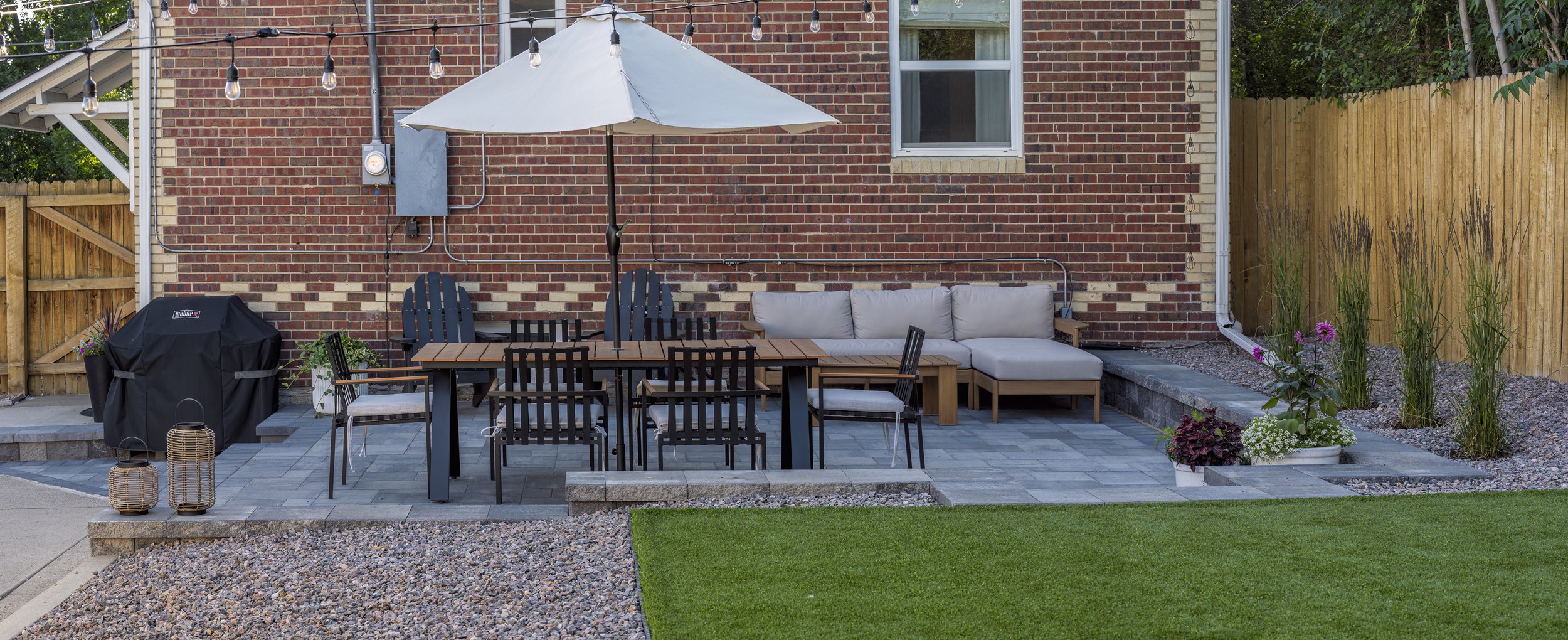
Evaluate Your Outdoor Living Space After Winter
The first step in spring landscaping is assessing how winter weather affected the yard. Cold temperatures, heavy rain, and shifting soil often leave behind issues that may not be immediately obvious. A thorough evaluation helps identify areas that need attention before new growth begins.
Key elements professionals typically review include:
Hardscape surfaces, such as patios, walkways, and retaining walls for cracks or settling
Drainage patterns that may have shifted during winter storms
Soil conditions that influence plant health and lawn growth
Plant beds and shrubs that require pruning or replacement
Outdoor lighting systems that may need inspection or adjustment
Addressing these elements early prevents larger landscaping problems later in the season. For example, improper drainage or soil erosion can damage planting beds and compromise structural features if left unresolved.
A careful seasonal evaluation often reveals opportunities to improve the layout of the yard while restoring its health. Many professionals also recommend reviewing seasonal preparation strategies, such as those discussed in spring yard prep tips, to better understand how winter conditions affect landscape performance.
Design Improvements That Maximize Outdoor Comfort
Once the yard has been evaluated, the next step involves planning improvements that enhance the outdoor living space. A thoughtful design balances visual appeal with practical function so the landscape supports everyday activities.
Professional spring landscaping often focuses on several key upgrades:
Patio and seating areas that provide comfortable gathering spaces
Pathways and walkways that improve accessibility and flow
Retaining walls that stabilize slopes and define usable areas
Planting beds that add color and texture to the landscape
Lighting features that extend outdoor use into the evening
Homes built on sloped properties often benefit from retaining walls that create level areas for seating, gardens, or outdoor dining. Many homeowners discover that properly designed retaining walls can transform challenging terrain into functional spaces. A closer look at usable slope solutions shows how these structures turn steep areas into practical outdoor zones.
Professional designers evaluate how people move through the yard and determine how each feature supports the overall layout. When planned carefully, the outdoor living space becomes easier to maintain and more enjoyable to use.
Common Landscaping Mistakes When Professionals Are Not Involved
Many landscaping problems occur when outdoor projects are handled without proper planning or expertise. What begins as a simple improvement can quickly turn into an expensive repair if important factors such as grading, drainage, or structural stability are overlooked.
Some of the most common landscaping mistakes include:
Improper drainage planning
Water runoff may pool around patios or foundations when grading is incorrect.Unstable retaining walls
Walls built without proper base preparation can shift or collapse over time.Overcrowded plant beds
Planting too many species in one area often leads to competition for water and nutrients.Poor soil preparation
Without proper soil conditioning, plants may struggle to establish healthy roots.Inconsistent landscape layout
Adding features without a cohesive design can make the yard feel disorganized.
These issues often require corrective work later, which may involve removing materials, regrading soil, or rebuilding structural elements. Professional landscape planning reduces these risks by addressing underlying site conditions before installation begins.
Experts also evaluate seasonal factors such as rainfall patterns, soil composition, and sunlight exposure to ensure that new landscaping elements remain stable and sustainable.
Essential Spring Landscaping Tasks For A Healthy Yard
Preparing the landscape for the warmer season involves several important maintenance steps. These tasks support plant health, improve soil quality, and restore visual balance across the property.
Key spring landscaping priorities include:
Clearing debris from planting beds
Removing fallen leaves and winter buildup improves airflow and soil conditions.Pruning damaged or overgrown plants
Careful trimming encourages new growth and maintains plant structure.Refreshing mulch layers
Mulch helps retain moisture, regulate soil temperature, and reduce weed growth.Inspecting irrigation systems
Ensuring proper water distribution supports healthy lawns and plant beds.Evaluating lawn conditions
Overseeding or soil treatment may be necessary to restore grass density.Reinforcing edging and borders
Defined edges help maintain a clean landscape appearance throughout the season.
Each of these tasks contributes to the long-term stability of the outdoor living space. Proper maintenance also prevents minor issues from developing into larger landscaping problems later in the year.
Professional landscapers often coordinate these tasks as part of a broader spring preparation plan, ensuring that each element of the yard receives the attention it requires.
Why Professional Planning Makes A Difference
A successful landscape combines structural elements, plant selection, drainage management, and aesthetic design. Achieving that balance often requires a level of planning that goes beyond routine yard maintenance.
Professional landscape teams approach spring landscaping with a comprehensive perspective. Instead of focusing on individual tasks, they evaluate how each improvement contributes to the overall outdoor living space.
Benefits of professional landscape planning often include:
Long-term structural stability for patios, walls, and walkways
Efficient drainage solutions that protect plants and foundations
Plant selections suited to local climate and soil conditions
Cohesive landscape design that improves property value
Maintenance strategies that reduce long-term upkeep
By addressing the entire landscape rather than isolated areas, professionals create outdoor environments that remain functional and attractive for years to come.
Frequently Asked Questions
What is the best time to begin spring landscaping preparation?
Most landscape professionals recommend starting preparation early in the season as soon as weather conditions stabilize. Early planning allows time to address drainage concerns, repair hardscape features, and prepare planting beds before peak plant growth begins.
How can retaining walls improve an outdoor living space?
Retaining walls help manage slopes and prevent soil erosion while creating level surfaces for patios, gardens, and seating areas. They also define landscape zones and improve the overall structure of the yard.
Why does drainage matter in landscape design?
Poor drainage can damage plant roots, weaken hardscape structures, and create muddy or unusable areas in the yard. Proper grading and drainage systems direct water away from critical areas and protect the landscape from long-term damage.
How often should an outdoor living space be updated?
Landscape updates vary depending on plant growth, material wear, and design goals. Many property owners review their landscape layout every few years to refresh plant selections, adjust layouts, or add new outdoor features.
Is spring the best season for landscape improvements?
Spring is one of the most popular seasons for landscape projects because weather conditions support plant establishment and outdoor construction work. Starting improvements early allows the landscape to mature throughout the growing season.
Bring Your Outdoor Space Back To Life This Spring
Preparing your outdoor living space for the new season involves careful planning, structural improvements, and thoughtful planting decisions. When these elements come together, the landscape becomes a welcoming extension of the home where people can relax, entertain, and enjoy the outdoors.
If you are considering improvements to your yard this season, experienced professionals can help guide the process and ensure lasting results. Learn more about landscape design and seasonal preparation by contactingHighlands Landscaping.
