
How to Make Slopes Usable with Retaining Walls
Sloped properties often look beautiful, but beauty does not always translate into usability. Uneven terrain can limit outdoor living space, complicate planting plans, and create erosion issues that worsen over time. Without thoughtful intervention, slopes can become maintenance burdens rather than assets.
The good news is that well-designed retaining walls can transform challenging slopes into functional, stable, and visually cohesive landscapes. With proper engineering, drainage planning, and material selection, steep ground can support patios, planting beds, pathways, and gathering areas. In this guide, we explain how professionals approach slope stabilization and how retaining walls make previously unusable land both practical and enduring.
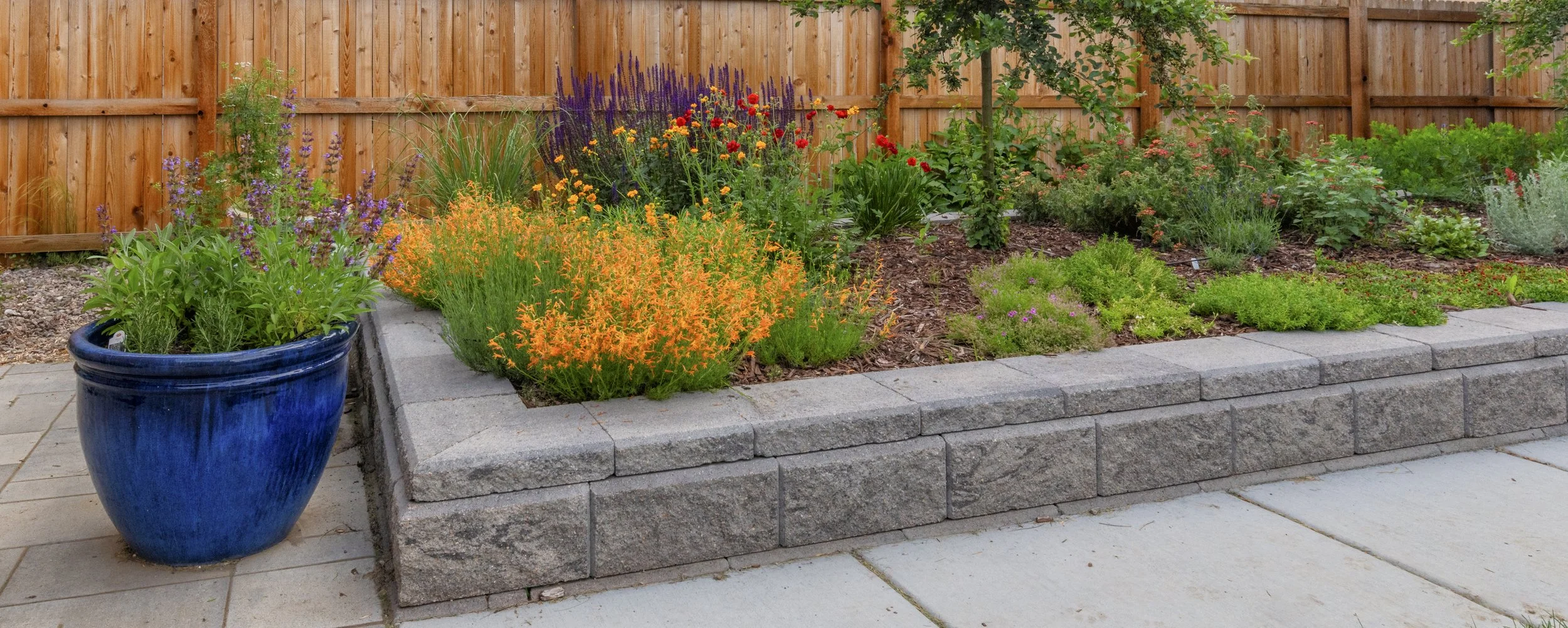
Understanding How Retaining Walls Stabilize Slopes
Clear answer first: Retaining walls stabilize slopes by holding soil in place, managing water flow, and redistributing pressure so the land remains secure and usable.
When slopes are left unsupported, gravity gradually shifts soil downhill. Over time, this movement can undermine foundations, expose tree roots, and create drainage problems. Retaining walls counteract this process by creating vertical or terraced barriers that resist lateral soil pressure.
Professionally designed retaining walls address several critical elements:
Soil pressure management
Walls must be engineered to resist the weight of soil behind them. This includes accounting for soil type, slope angle, and surcharge loads such as patios or vehicles.Drainage integration
Water buildup behind a wall increases hydrostatic pressure and can cause failure. Proper systems include perforated drain pipes, gravel backfill, and weep holes.Foundation preparation
A compacted base layer ensures structural integrity and prevents shifting over time.Material selection
Concrete block systems, natural stone, and reinforced poured concrete each serve different structural and aesthetic purposes.
By dividing steep terrain into manageable levels, retaining walls transform slopes into structured, usable zones. Instead of one continuous incline, the property becomes a series of stable platforms.
Designing Functional Terraces on Slopes
Clear answer first: Terracing with retaining walls creates flat, usable sections that improve accessibility, expand outdoor living space, and reduce erosion.
A steep slope does not have to remain a single uninterrupted incline. Terracing breaks the grade into stepped levels, each supported by retaining walls. This approach allows homeowners to reclaim square footage that would otherwise remain impractical.
Key design considerations include:
Purpose of each terrace
One level may support a patio, another may hold planting beds, and a third could accommodate lawn or seating.Proportion and scale
Taller walls may require engineering reinforcement. Multiple shorter walls often distribute pressure more effectively.Visual cohesion
Materials, textures, and colors should complement the surrounding architecture and landscape.Access pathways
Integrating stairs or gently graded walkways improves flow between levels.Drainage routing
Each terrace must allow water to move away from structures and prevent pooling.
Professionally executed terraces not only stabilize slopes but also create structured outdoor rooms. The result is a landscape that feels intentional rather than constrained by topography.
Seasonal considerations also matter. As highlighted in this helpful guide on spring yard prep, addressing soil conditions and drainage early in the year prevents compounding problems later.
Common Landscaping Fails Without Professional Planning
Clear answer first: Most slope-related failures stem from poor drainage, inadequate base preparation, and underestimating soil pressure.
Slope projects require more than stacking blocks or placing decorative stone. Improper construction can lead to costly and unsafe outcomes. Common mistakes include:
Ignoring hydrostatic pressure
Without proper drainage systems, water accumulates behind walls and eventually pushes them outward.Insufficient base compaction
Loose or shallow foundations cause settling and leaning over time.Improper wall height design
Exceeding recommended heights without reinforcement compromises structural integrity.Overlooking soil type
Clay soils retain water differently from sandy soils, affecting pressure and drainage needs.Skipping permits or engineering review
Larger retaining walls often require compliance with local building codes.
The risks of tackling complex landscape construction without professional expertise are well-documented. This overview of DIY landscaping risks illustrates how small oversights can escalate into structural concerns.
Slope management demands technical knowledge, especially when walls exceed certain heights or support heavy loads. Professional evaluation ensures both safety and long-term performance.
Choosing the Right Retaining Wall System
Clear answer first: The ideal retaining wall system depends on slope severity, soil conditions, structural demands, and design goals.
Not all retaining walls perform the same way. Selecting the right system involves balancing function and aesthetics.
| Wall Type | Best For | Advantages | Considerations |
|---|---|---|---|
| Segmental concrete block | Residential terraces | Engineered strength, modular flexibility | Requires proper drainage and base prep |
| Natural stone | Decorative garden terraces | Timeless appearance, strong mass | Skilled installation required |
| Poured concrete | Structural support on steep slopes | High durability and load capacity | Higher cost, requires formwork |
| Reinforced systems | Tall or load-bearing walls | Handles significant soil pressure | Engineering design necessary |
Material choice should align with both structural needs and visual harmony. A cohesive landscape integrates retaining walls seamlessly rather than treating them as standalone features.
In steeper environments, reinforced retaining walls with geogrid systems often provide the most reliable long-term solution. These systems tie the wall into the soil mass behind it, distributing pressure more effectively.
Long-Term Stability and Maintenance Considerations
Clear answer first: Proper drainage, routine inspection, and strategic planting preserve the integrity of retaining walls and slopes over time.
Even expertly constructed retaining walls require ongoing attention to ensure continued performance. Long-term stability depends on:
Monitoring drainage outlets
Keeping weep holes and drain pipes clear prevents water buildup.Managing vegetation
Deep-rooted trees placed too close to walls can disturb foundations.Inspecting for movement
Early signs of bulging or cracking should be evaluated promptly.Controlling surface runoff
Redirecting roof and hardscape drainage reduces pressure behind walls.
Incorporating erosion-resistant plantings further enhances slope stability. Groundcovers and deep-rooted shrubs anchor soil while softening structural lines.
A slope should function as part of a coordinated landscape system. Retaining walls, drainage elements, and planting plans must work together rather than operate independently.
Frequently Asked Questions
What is the ideal height for a retaining wall on a residential slope?
Wall height depends on slope steepness and local building codes. Many jurisdictions require engineering review for walls above a certain height, often around four feet. Taller walls typically need reinforcement.
How do retaining walls prevent erosion?
By holding soil in place and redirecting water flow, retaining walls reduce downhill soil movement. Integrated drainage systems prevent water buildup that accelerates erosion.
Are retaining walls permanent solutions?
When properly engineered and maintained, retaining walls can last decades. Longevity depends on drainage, material quality, and installation standards.
Can multiple small walls work better than one tall wall?
Yes. Terracing with multiple shorter walls often distributes pressure more effectively and enhances visual appeal while improving stability.
Conclusion
Slopes present both a challenge and an opportunity. Without intervention, steep terrain limits functionality and increases erosion risks. With professionally designed retaining walls, slopes become structured, stable, and adaptable spaces that support patios, gardens, and walkways.
Transforming uneven ground into usable outdoor areas requires careful engineering, drainage planning, and material expertise. When executed correctly, retaining walls do far more than hold soil. They unlock the full potential of the landscape.
Reimagine What Your Landscape Can Do
If your property includes challenging slopes, consult with experienced professionals who understand structural design and long-term stability. Connect withHighlands Landscaping to explore how retaining walls can transform your terrain into a purposeful outdoor space.
