
Fall Fencing Care: Prevent Warping And Moisture Damage
As temperatures cool and moisture levels rise, fences often become one of the most overlooked elements of fall landscaping. Wood expansion, trapped moisture, and early freeze-thaw cycles can quietly weaken fencing systems long before winter fully arrives. Many property owners assume fence damage happens suddenly, but in reality, most issues begin during the fall when humidity, rainfall, and temperature fluctuations stress materials daily.
Fall fencing care focuses on prevention rather than repair. Addressing vulnerabilities early helps reduce warping, cracking, rot, and shifting that compromise both appearance and structural integrity. With the right seasonal preparation, fences can better withstand moisture exposure and remain stable through winter conditions. Understanding what causes fall damage and how professionals evaluate fencing systems allows homeowners to make informed decisions that protect long-term value and curb appeal.
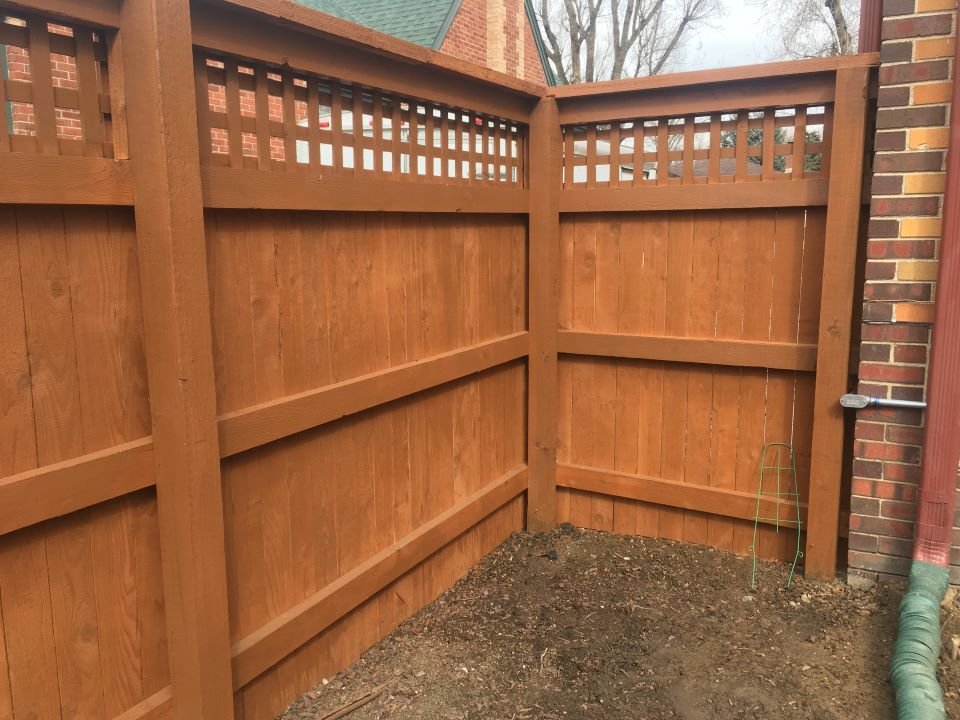
Why Fall Weather Is Hard on Fencing Materials
Fall introduces a unique mix of environmental stressors that directly affect fencing materials. Cooler nights, warmer afternoons, and increased precipitation cause repeated expansion and contraction cycles. Wood, in particular, absorbs moisture easily and releases it unevenly, which leads to distortion over time.
Clear answers first: fences fail in the fall because moisture penetrates joints, boards, and posts faster than materials can dry. Professionals watch for early warning signs long before visible damage occurs.
Key fall-related stress factors include:
Prolonged exposure to damp soil around fence posts
Repeated wet and dry cycles that strain fasteners and boards
Leaf buildup that traps moisture at fence bases
Reduced sunlight that slows drying after rain
These conditions are often intensified by surrounding landscaping. As noted in our article on hardscape winter prep, fall moisture management plays a major role in protecting outdoor structures from seasonal damage.
Common Fence Damage Linked to Poor Fall Landscaping
Fall landscaping decisions directly influence fence performance. When grading, drainage, and plant placement are overlooked, fences become unintended moisture barriers rather than protected structures.
Clear answers first: fencing damage usually results from water being held where it should flow away. Professionals assess the entire landscape context, not just the fence itself.
Common issues seen when fall landscaping is not properly managed include:
Soil buildup against fence panels that increases rot risk
Overgrown plants are restricting airflow and sunlight.
Improper drainage directs runoff toward fence lines.
Mulch piled too high against posts and rails.
These problems often develop gradually, making them easy to ignore until boards warp or posts loosen. From our blog post on professional landscaping value, proper planning prevents small seasonal mistakes from becoming expensive structural repairs.
How Professionals Approach Fall Fence Protection
Professional fall landscaping incorporates fencing into a broader seasonal strategy rather than treating it as an isolated structure. The goal is to manage moisture, stabilize the surrounding soil, and reduce environmental stress before winter arrives.
Clear answers first: professionals protect fences by improving drainage, airflow, and material resilience. Each action supports the others.
Typical professional considerations include:
Evaluating slope and runoff patterns near fence lines
Adjusting soil levels to prevent water pooling
Ensuring vegetation clearance for airflow and sunlight
Identifying early signs of wood movement or fastener strain
Rather than relying on surface-level fixes, professionals focus on conditions that cause damage beneath and around fencing. This approach minimizes moisture retention and reduces stress on posts and panels during seasonal transitions.
Landscaping Mistakes That Accelerate Fence Warping
Some of the most common fall landscaping errors unintentionally increase fence exposure to moisture and pressure. These mistakes often stem from focusing on appearance rather than performance.
Clear answers first: fences warp faster when landscaping traps water or restricts natural drying. Professionals avoid these pitfalls through careful planning.
Common mistakes include:
Planting shrubs directly against fence lines
Ignoring drainage changes after summer growth
Leaving fallen leaves piled along fence bases
Adding decorative elements that block airflow
These issues are especially problematic in shaded areas where moisture evaporates slowly. Without intervention, boards may twist, nails loosen, and posts shift before winter even begins.
Long-Term Benefits of Strategic Fall Fencing Care
Fall fencing care is an investment in durability rather than a seasonal task to check off a list. When fencing is supported by proper fall landscaping, it performs better year after year.
Clear answers first: proactive care reduces repairs, extends material lifespan, and maintains visual appeal. Professionals look beyond immediate conditions to long-term performance.
Benefits include:
Reduced the likelihood of rot and structural weakening
Improved resistance to freeze-thaw movement
More consistent fence alignment and appearance
Lower maintenance costs over time
By addressing moisture management, soil stability, and airflow in the fall, fencing enters winter in a stronger position. This reduces stress during colder months when repairs become more difficult and costly.
Frequently Asked Questions About Fall Fencing Care
Why is fall more important than spring for fence maintenance?
Fall is when moisture exposure increases and temperature swings begin. Preparing fences before winter helps prevent damage that develops slowly during colder months.
Can landscaping really affect fence lifespan?
Yes. Drainage, soil contact, and airflow around fences significantly influence moisture retention and material breakdown.
Do all fence types need fall care?
While wood is most vulnerable, all fencing benefits from proper drainage and reduced soil contact during the fall.
How early should fall fencing care begin?
Early fall is ideal. Addressing issues before heavy rains and colder nights provides the best protection.
A Smarter Way to Protect Fences This Fall
Fall fencing care works best when approached as part of a complete fall landscaping strategy. Addressing moisture flow, soil conditions, and plant placement helps prevent warping and damage before winter stress begins. For expert guidance on protecting outdoor structures through seasonal changes, contactHighlands Landscaping to learn how professional planning supports stronger, longer-lasting fencing.
