
Hardscape Maintenance Tips Before Cold Weather Hits
As temperatures drop, outdoor features begin facing new stresses that can quickly escalate if left unaddressed. Patios shift under freeze-thaw cycles, walkways loosen at the edges, and neglected joints collect moisture that expands into cracks once winter sets in. Many homeowners are caught off guard by how fast these changes occur, especially when fall remains mild for weeks before the cold arrives. Preparing early makes a significant difference because hardscape materials need time to settle, dry, or cure before winter weather becomes consistent. This guide offers practical and professional strategies for hardscape maintenance that help prevent seasonal damage and preserve structural integrity when colder conditions begin.
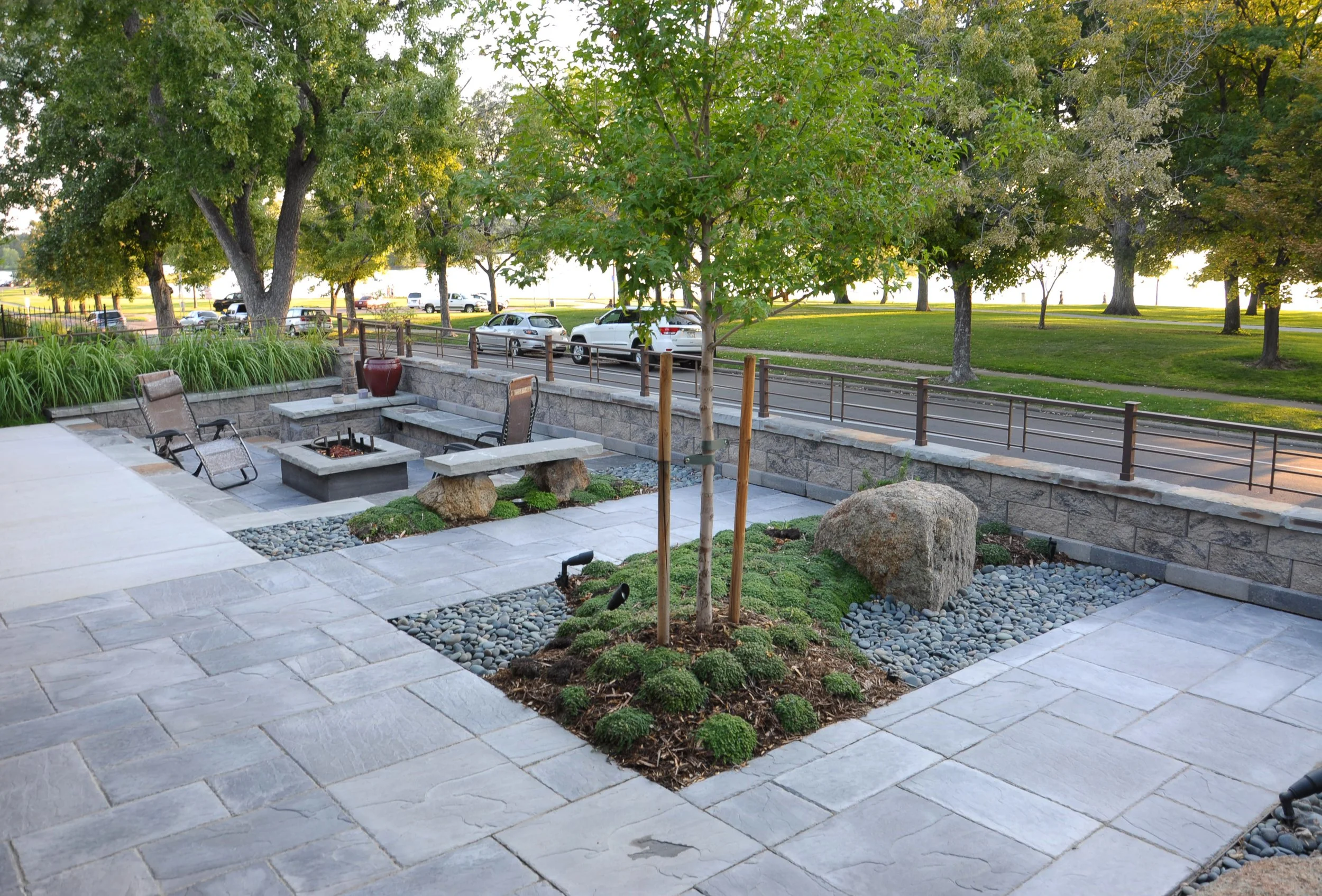
Inspect and Repair Surfaces Before Temperatures Drop
A complete inspection is the first and most important step in seasonal hardscape maintenance. Cold weather exaggerates small flaws, so addressing them ahead of time reduces long-term repair costs.
Key tasks to complete
Identify cracks or chips in pavers, concrete, or stone.
Clean joints and remove debris that traps moisture.
Check for uneven settling or areas beginning to shift.
Surface repairs are easier while the weather stays dry because materials like polymeric sand or masonry filler require stable temperatures to cure properly. Early repairs also prevent water from finding entry points that later freeze and expand. A simple surface sweep is not enough during this transition period. Hardscapes depend on strong joint support and firm base material, so small imperfections should be examined with the assumption that cold weather will make them worse if left alone.
Protect Edging and Borders From Seasonal Pressure
Edging is one of the first areas to show stress when winter approaches. The freeze-thaw cycle gradually forces materials apart, especially in older installations. Knowing how different products behave is essential, and detailed comparisons, such as our clean line guidance, reinforce how much edging influences long-term stability.
Key edging precautions
Confirm that borders are firmly secured and free of gaps.
Reinforce areas where edging begins to lift or bend.
Remove soil or mulch buildup that hides early failure signs.
Proper edging protects the shape of the hardscape and prevents surrounding soil from shifting into the joints. When edging begins to weaken, water intrusion becomes more common, and inconsistent pressure creates uneven surfaces by spring. Because edging materials vary in strength and flexibility, understanding product limitations helps guide decisions about reinforcement or replacement before temperatures drop.
Where DIY Maintenance Often Leads to Winter Problems
Many homeowners take on seasonal maintenance with good intentions, but certain mistakes often lead to larger winter issues. Small choices made in the fall can create problems that reveal themselves only after freezing nights become consistent. Missteps highlighted through common DIY problems show how easy it is to overlook structural details that protect against cold-weather damage.
Frequent mistakes to watch for
Using the wrong sand or filler for joint repairs
Cleaning surfaces with products that harm paver sealants
Ignoring drainage patterns around patios and walkways
Many errors develop from not recognizing how hardscape materials respond to weather. Joints that seem stable may not withstand expanding ice. Cleaning agents that appear harmless can weaken sealants and allow moisture into the surface. Drainage issues become more serious during winter because water settles in low spots and freezes repeatedly, placing constant pressure on the hardscape.
Seal, Clean, and Prepare Surfaces for Moisture
Sealing is one of the most effective ways to protect pavers and stone before winter. Sealants reduce water absorption, limit staining, and reinforce surface durability. Timing is important because the sealing process needs clear weather and adequate drying time.
Key sealing and cleaning steps
Choose a weather-appropriate sealant suited to the hardscape material.
Clean the entire surface thoroughly and allow proper drying time.
Apply sealant evenly to maintain a protective barrier against moisture.
Cleaning is just as important as sealing because trapped dirt and organic material can deteriorate surfaces when winter moisture sets in. Clearing away debris helps the sealant bond correctly and minimizes the risk of mold or staining during damp weather. Proper preparation ensures the protective layer lasts through the season rather than wearing down prematurely.
Strengthen Drainage and Surface Stability for Winter
Drainage affects how well hardscapes stand up to winter conditions. Poor drainage encourages pooling, which freezes and expands repeatedly, creating stress on joints and edges.
Signs that drainage improvements may be needed
Water collects in low areas after rain
Soil erosion begins to appear near patio edges
Puddles linger under walkways longer than expected
Improving drainage can involve adjusting the slope, clearing clogged channels, or reinforcing the base material under specific areas. These steps help prevent frost heave and protect the overall stability of the installation. When drainage is optimized, freeze-thaw cycles exert less pressure on the structure.
Frequently Asked Questions
Do all hardscapes need sealing before winter?
Not every surface requires sealing, but pavers and many natural stones benefit from reduced moisture absorption. Professionals evaluate which materials respond best to sealant.
Why do edges shift more during winter?
Edging absorbs constant pressure from expanding frost in the soil. Weak edging allows the base material to migrate, which leads to instability by spring.
Is fall the right time for joint repairs?
Yes. Joint repairs and filler products need dry, mild conditions to cure. Completing repairs before cold nights arrive ensures proper bonding.
What causes pavers to crack or lift in winter?
Water intrusion, poor drainage, and weak edging are common causes. When water freezes inside the structure, expansion pushes materials upward.
Stronger Hardscape Begins With Expert Preparation
Winter can be tough on outdoor surfaces, but early attention makes a major difference. Careful inspection, strategic reinforcement, and well-timed repairs help protect patios, walkways, and edging from seasonal stress. For support with planning or preparing your space for colder weather, contactHighlands Landscaping.
