
The Best Fall Plants To Add Color Before Winter
As summer fades, many homeowners are surprised by how quickly their landscape loses color. The shift from warm evenings to crisp mornings can leave beds looking tired, sparse, or washed out. The good news is that fall offers incredible opportunities to revive the yard with fresh interest. The right fall plants extend color well into the colder months, but selecting and placing them properly requires more than guessing which varieties look nice at the garden center. Below is a guide shaped by practical field knowledge to help property owners build rich seasonal color that lasts through late autumn and carries structure into early winter.
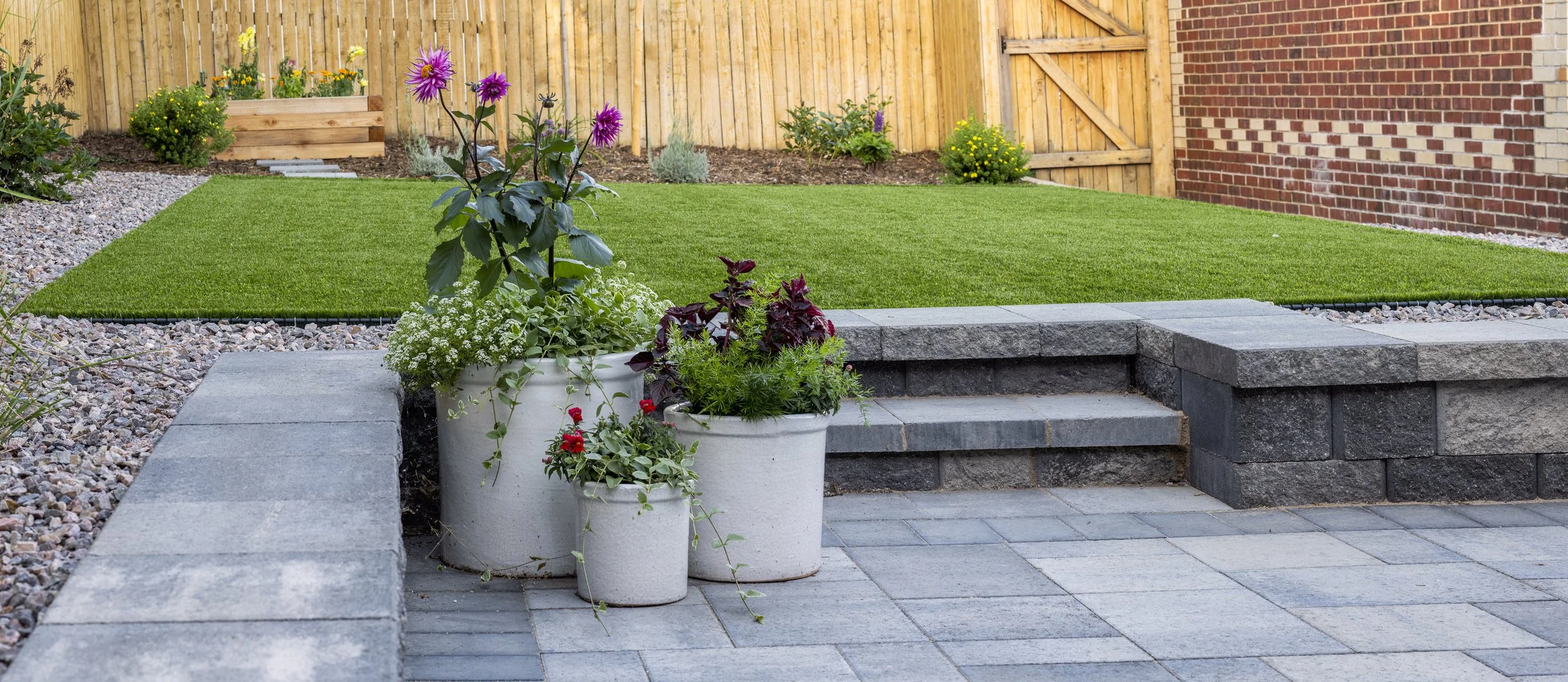
Seasonal Favorites That Bring Reliable Fall Color
Some plants shine exactly when everything else begins shutting down. These options consistently perform when temperatures cool.
Top picks for fall interest
Chrysanthemums: Dense blooms in shades of yellow, burgundy, and orange that thrive in cool air.
Asters: Hardy flowers that create soft purple or blue accents while supporting late-season pollinators.
Ornamental kale and cabbage: Unique rosettes that intensify in color as temperatures drop.
Sedum varieties: Upright clusters that begin deepening to rose tones mid-season and continue through frost.
Why these plants work
These fall plants handle unpredictable temperature shifts, shorter daylight, and soil that cools more quickly. Their strong root systems and natural tolerance for chilly nights allow them to hold color longer than many spring and summer garden favorites. When blended thoughtfully, these species help maintain vibrancy well into November and add a textured foundation once the rest of the landscape has gone dormant.
Shrubs That Anchor the Landscape Through Late Autumn
Shrubs are essential for structure and year-round presence. They keep the landscape visually stable even when annuals fade.
Recommended shrub options
Red twig dogwood: Known for striking red stems that stand out once leaves drop.
Fothergilla: Offers vivid orange and red fall foliage while fitting comfortably into both small and large garden designs.
Compact burning bush: Delivers strong red tones that create instant contrast.
How shrubs extend seasonal interest
Shrubs contribute depth and height that smaller plantings cannot achieve alone. Their foliage warms in color throughout fall, and many hold structural shape into winter, giving the landscape a finished look even after snow arrives. They act as permanent anchors while annuals and perennials change around them. With the right spacing and placement, shrubs can also protect more tender fall plants by creating natural windbreaks.
Where DIY Landscaping Often Goes Wrong in Fall
Many homeowners try to refresh their yard during the fall, but mistakes can happen when the work is approached without professional insight. A number of common issues appear year after year.
Frequent fall season missteps
Planting too late: Many fall plants need earlier installation to root before the soil cools.
Incorrect spacing: Crowded beds lead to moisture problems and increased disease pressure.
Poor soil preparation: Skipping amendments prevents young roots from gaining strength ahead of winter.
These common DIY problems often stem from rushed decisions and limited seasonal knowledge. Issues related to soil type, plant compatibility, and weather patterns are easy to underestimate. Simple oversights can lead to disappointing results. When color and longevity really matter, relying on trained experience produces more predictable outcomes.
Why Professional Planning Improves Fall Plant Performance
Smart design can make or break a fall landscape. When handled well, beds look full, intentional, and protected from seasonal stress. Without a strong plan, even the toughest fall plants may struggle.
Key advantages of expert preparation
Proper timing that aligns with cooling soil conditions
Plant groupings that complement each other long-term
Soil improvements based on regional needs and drainage patterns
Experienced landscapers consider maturity sizes, light angles, frost tendencies, and long-term maintenance. These factors ensure the plantings do more than survive for a season. They build healthier root systems and create lasting visual impact. Moreover, professional guidance matters because strategic design produces stronger outcomes compared to trial-and-error planting.
Perennial Choices That Return Color Every Fall
Perennials are the quiet backbone of a successful autumn landscape. Once established, they offer dependable color each year with minimal disturbance to the soil.
Recommended perennials for fall color
Black eyed Susan: Golden petals that continue into mid-fall.
Japanese anemone: Elegant blooms that lift shaded areas with soft pastels.
Helenium: Rich orange and russet colors that blend well with other seasonal favorites.
Long-term advantages
Perennials expand over time and settle naturally into the landscape. Their root systems strengthen with each passing season, making them more resilient during fluctuating fall conditions. They also help reduce the need for frequent replanting, which supports healthier soil and more consistent seasonal color patterns.
Frequently Asked Questions
What fall plants last the longest before winter arrives?
Plants like mums, asters, and ornamental kale thrive late into the season because they handle cooler temperatures and shorter daylight better than warm-season flowers.
Can shrubs really add color during fall?
Yes. Many shrubs offer vivid foliage changes and maintain structure after leaf drop, making them essential for late-season interest.
Is fall a good time to plant perennials?
Fall is one of the best times because cooler temperatures encourage root development and reduce transplant stress.
Why do so many DIY fall landscapes fail?
Timing, soil preparation, and spacing are common challenges. Without proper planning, plants may not root in time to withstand winter conditions.
A Warmer, Brighter Autumn Starts With Expert Guidance
Refreshing your landscape for fall can bring remarkable color and structure, but the most reliable results come from thoughtful planning and trained installation. To explore tailored recommendations or schedule a consultation, contactHighlands Landscaping.
