
Denver Landscape Design Trends this Spring Season
Spring in Denver brings a renewed sense of possibility for outdoor spaces, but it also highlights lingering challenges. Uneven lawns, inefficient irrigation, and outdated layouts often become more noticeable as the weather warms. Many properties feel underutilized, lacking both structure and seasonal adaptability.
Modern landscape design offers a solution that goes beyond surface-level improvements. By aligning design with climate, functionality, and long-term sustainability, it becomes possible to transform outdoor spaces into purposeful environments. This article explores the most relevant landscape design trends shaping Denver this spring, providing insight into how thoughtful planning leads to lasting results.
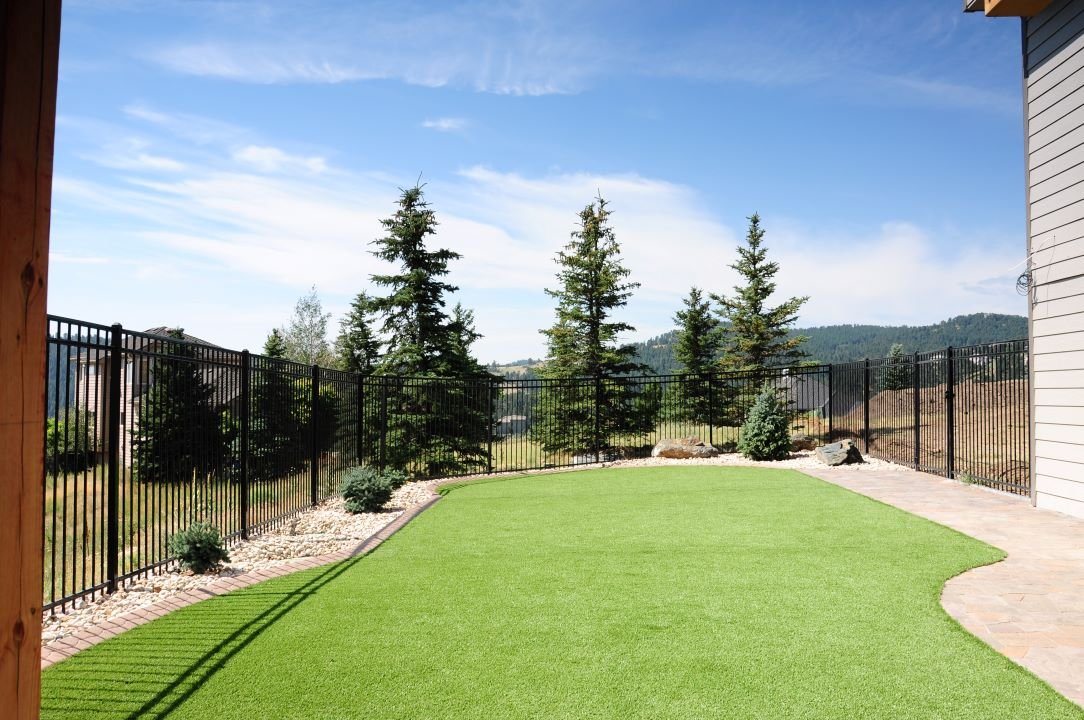
Climate-Responsive Landscape Design Is Leading the Shift
The most influential trend this spring is climate-responsive landscape design that adapts to Denver’s semi-arid conditions while maintaining visual appeal.
Denver’s climate presents unique challenges, including fluctuating temperatures, limited rainfall, and intense sun exposure. As a result, landscape design is moving toward strategies that work with the environment rather than against it.
Key elements defining this trend include:
Native plant selection. Supports local ecosystems and reduces water demand
Drought-tolerant layouts. Prioritizes plants that thrive in low-moisture conditions
Efficient irrigation systems. Minimizes waste while maintaining plant health
Soil health focus. Enhances long-term sustainability through proper preparation
This approach reduces maintenance while increasing resilience. It also ensures that landscapes remain visually consistent throughout seasonal changes.
For those preparing for seasonal transitions, this guide on spring outdoor prep offers valuable insight into aligning design with spring readiness.
Functional Outdoor Living Spaces Continue to Expand
Landscape design now prioritizes outdoor spaces that function as extensions of the home.
This trend reflects a shift in how outdoor areas are used. Instead of being purely decorative, they are designed to support daily living, relaxation, and social interaction.
Popular features shaping this movement include:
Defined seating zones. Creates structured areas for gathering and comfort
Integrated hardscaping. Combines patios, walkways, and retaining elements
Multi-use layouts. Supports dining, leisure, and recreation in one space
Lighting design. Extends usability into the evening hours
These features require careful planning to ensure a balance between form and function. When executed correctly, they create cohesive environments that feel intentional rather than pieced together.
This shift toward usability reinforces the importance of strategic design decisions that consider both immediate needs and long-term flexibility.
Natural Textures and Layered Materials Are Defining Visual Appeal
A move toward natural materials and layered textures is shaping the visual direction of landscape design this spring.
Rather than relying on uniform surfaces, designers are incorporating a mix of materials to create depth and contrast. This results in landscapes that feel more organic and visually engaging.
Common material combinations include:
Stone and wood. Blends durability with natural warmth
Gravel and greenery. Balances structure with softness
Concrete and plantings. Introduces clean lines with organic elements
Layered elevations. Adds dimension through varying heights
These combinations enhance both aesthetics and functionality. They also allow for greater customization, making each outdoor space unique.
Material selection is not only about appearance. It also affects durability, maintenance, and how well the landscape integrates with its surroundings. Thoughtful choices in this area contribute significantly to long-term performance.
Common Landscaping Mistakes Without Professional Planning
Without professional guidance, landscape design often results in inefficiencies, structural issues, and costly corrections.
Many outdoor projects begin with good intentions but fall short due to a lack of planning. This is especially true in climates like Denver, where environmental factors play a significant role.
Frequent mistakes include:
Poor drainage planning. Leads to water pooling and plant damage
Incorrect plant placement. Results in unhealthy growth or overcrowding
Inconsistent design flow. Creates disconnected and unbalanced spaces
Underestimating soil conditions. Affects plant survival and stability
These issues are not always immediately visible. Over time, they compromise both the functionality and appearance of the landscape.
For a broader understanding of seasonal preparation, refer to this resource on spring yard planning.
Professional planning ensures that each element works together cohesively, reducing the risk of long-term problems and improving overall results.
Sustainability and Low-Maintenance Design Are Now Essential
Sustainable, low-maintenance landscape design is no longer optional. It is a core expectation.
As property owners look for efficient solutions, designs continue to shift toward reducing upkeep while preserving quality and visual appeal.
Key principles guiding this trend include:
Water conservation. Uses smart irrigation and drought-resistant plants
Reduced lawn areas. Replaces high-maintenance grass with practical alternatives
Durable materials. Minimizes the need for frequent repairs
Strategic plant grouping. Simplifies care and improves visual consistency
When comparing traditional and modern approaches, the differences become clear:
Water usage. Traditional designs often require high water consumption, while modern approaches focus on controlled and reduced usage
Maintenance. Older layouts demand frequent upkeep, whereas sustainable designs are built for minimal ongoing care
Plant selection. Traditional choices tend to be generic, while modern designs prioritize climate-adapted plants
Longevity. Conventional landscapes may vary in lifespan, but sustainable designs are built for long-term durability
This shift reflects a growing awareness of environmental impact and the need for resource efficiency. It also supports practical, long-lasting outdoor solutions.
By integrating sustainability into landscape design, outdoor spaces become more adaptable, efficient, and easier to maintain over time.
FAQ Section
What is the most popular landscape design trend in Denver this spring?
Climate-responsive landscape design is the most prominent trend. It focuses on using native plants, efficient irrigation, and layouts that adapt to Denver’s environmental conditions.
How can I make my outdoor space more functional?
Incorporating defined zones, integrated hardscaping, and proper lighting can transform outdoor areas into usable living spaces. Strategic planning ensures these elements work together effectively.
Is low-maintenance landscaping possible without sacrificing appearance?
Yes. Modern landscape design emphasizes sustainability and efficiency, allowing for visually appealing spaces that require less upkeep through smart material and plant selection.
Why do landscaping projects fail without professional input?
Lack of planning often leads to drainage issues, poor plant selection, and structural inconsistencies. These problems develop over time and can be costly to correct.
When is the best time to start a landscape design project in Denver?
Spring is ideal because it allows for proper planning, installation, and plant establishment before the peak growing season. Early preparation leads to better long-term results.
Where Smart Design Meets Long-Term Value
Denver’s landscape design trends this spring reflect a clear direction toward functionality, sustainability, and climate awareness. By focusing on long-term performance rather than short-term fixes, outdoor spaces become more resilient, usable, and visually refined.
Where Vision Meets Lasting Outdoor Design
For expertly planned and thoughtfully executed landscape design solutions, connect withHighlands Landscaping to bring structure, balance, and long-term value to your outdoor space.
