
How Mulching Helps Plants Survive Colorado Winters
Colorado winters present unique challenges for plants. Rapid temperature swings, dry air, heavy snowfall, and sudden thaws place stress on roots and soil long before spring arrives. Many plants struggle not because of extreme cold alone, but because soil conditions become unstable and moisture levels fluctuate throughout winter. Without protection, roots can freeze, dry out, or suffer damage from repeated freeze and thaw cycles.
Mulching offers a practical solution to these seasonal challenges. When applied correctly, mulching stabilizes soil temperature, protects root systems, and helps plants conserve moisture during long winter months. Understanding how mulching works and why timing matters allows homeowners to protect landscapes more effectively and reduce plant loss during harsh Colorado winters.
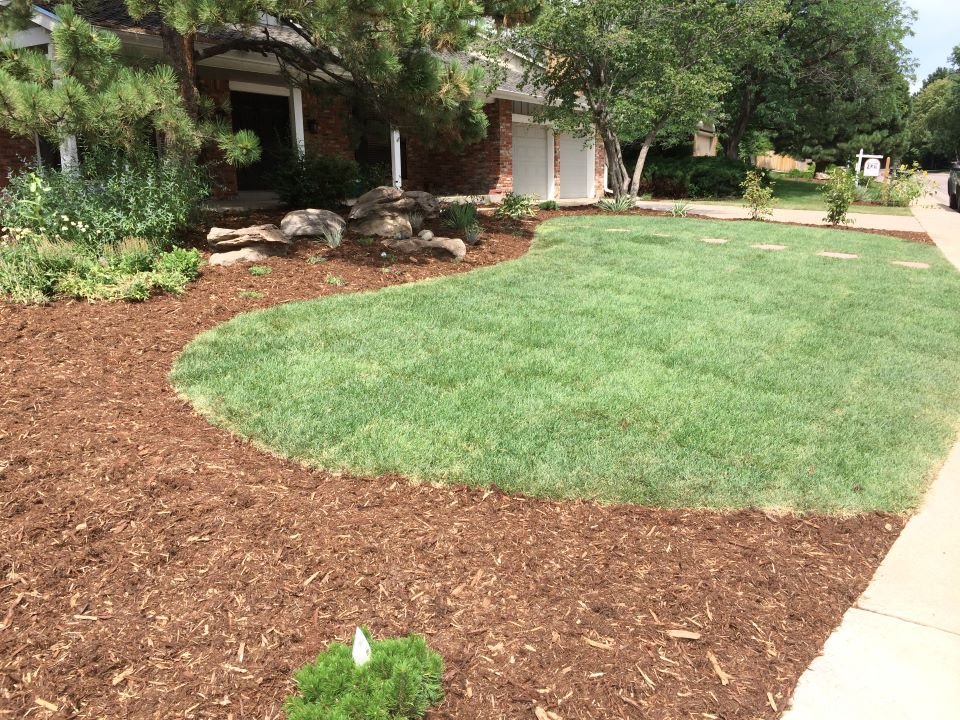
Why Colorado winters are hard on plant roots
Colorado’s climate exposes plant roots to conditions that are very different from those above ground. While plants may appear dormant, root systems remain vulnerable throughout winter.
Freeze and thaw cycles loosen soil around roots
Dry winter winds pull moisture from the ground
Sudden warm days trigger premature soil warming
Snowmelt refreezes and disrupts root stability
These conditions stress plants over time rather than all at once. Roots may suffer damage slowly, which often goes unnoticed until spring growth fails to appear. Mulching helps reduce this stress by creating a protective layer that buffers soil from environmental extremes.
By moderating temperature changes and preserving soil structure, mulching gives plants a better chance of emerging healthy when growing season returns.
How mulching protects plants during winter
Mulching acts as an insulating barrier between the soil and the environment. This protection becomes especially important during Colorado winters, where weather patterns can change quickly.
Insulates soil to reduce temperature fluctuations
Retains moisture during dry winter periods
Prevents soil erosion from snowmelt
Protects roots from direct exposure
A consistent mulch layer slows heat loss from the soil, keeping root zones warmer during cold snaps. At the same time, mulch reduces evaporation, helping soil retain moisture even when precipitation is limited. This balance is critical in Colorado’s dry winter climate.
Mulching also minimizes soil movement caused by freeze and thaw cycles. When soil remains stable, roots are less likely to become exposed or damaged. This stability is one of the most important benefits mulching provides throughout winter.
Choosing the right mulch for winter protection
Not all mulch materials offer the same level of winter protection. Selecting the right option depends on plant type, soil conditions, and exposure to weather.
Organic mulches are commonly used for winter because they provide insulation while improving soil health over time. Materials such as wood chips, bark, and shredded leaves help regulate soil temperature and slowly break down to enrich the soil.
Understanding how different materials perform helps avoid common mistakes such as compacting mulch too tightly or using materials that trap excessive moisture. Insight into selecting appropriate materials is available through guidance on mulch selection basics, which explains how mulch choice influences long-term plant health.
Proper depth also matters. Too little mulch offers limited protection, while too much can restrict airflow and encourage moisture buildup near stems. Professional evaluation helps determine the right balance for each landscape area.
Where mulching matters most in winter landscapes
Mulching is beneficial across the landscape, but some areas benefit more than others during winter. Focusing on vulnerable zones improves overall protection.
Perennial beds with shallow root systems
Newly planted shrubs and trees
Garden beds exposed to wind
Areas with sloped or eroding soil
These locations are more likely to experience temperature swings and moisture loss. Mulching helps stabilize these zones, reducing the impact of harsh weather. It also protects soil structure, which supports healthier root development once growth resumes.
Mulching near fences, garden edges, and hardscape features can also reduce moisture loss and protect surrounding materials. For example, managing moisture near structures is discussed further through insights on seasonal moisture protection, which highlights how winter conditions affect outdoor materials.
Why professional mulching improves winter outcomes
Effective mulching is more than spreading material across soil. Timing, depth, and placement all influence how well mulch performs during winter. Professionals understand how Colorado’s climate affects soil behavior and plant needs.
Professional mulching ensures materials are applied evenly and at appropriate depths. It also considers plant spacing, drainage patterns, and existing soil conditions. This approach prevents common issues such as root suffocation, excessive moisture retention, or uneven coverage.
By integrating mulching into a broader seasonal care plan, professionals help landscapes transition smoothly through winter and into spring. This reduces plant stress, improves survival rates, and supports healthier growth when temperatures rise.
Frequently asked questions about winter mulching
When is the best time to apply mulch before winter?
Mulch is most effective when applied after the ground begins to cool but before it freezes. This timing allows soil to retain warmth without trapping excess heat.
Can mulch protect plants from extreme cold?
Mulch does not prevent freezing entirely, but it reduces rapid temperature changes that cause root damage.
Should mulch be removed in spring?
Mulch can remain in place, but it may need adjustment to prevent moisture buildup as temperatures warm.
Is mulching necessary every winter?
Yes. Each winter brings different conditions, and maintaining mulch ensures consistent protection year after year.
Conclusion: Strengthen plants before winter stress arrives
Mulching plays a critical role in helping plants survive Colorado winters. By insulating soil, conserving moisture, and stabilizing root zones, mulching reduces stress caused by harsh weather and seasonal fluctuations. When done correctly, it protects plants throughout winter and prepares them for healthier growth in spring.
Give your landscape the protection it needs
We understand how mulching supports plant survival during Colorado winters. To ensure proper application and long-term results, contactHighlands Landscaping to learn how professional mulching can protect your landscape through the cold season and beyond.
