
Late-Season Planting Tips For Colorado’s Climate
Late-season planting in Colorado presents a familiar challenge. Shortened daylight, sudden temperature swings, and early frosts can undo weeks of effort if timing and preparation miss the mark. Many landscapes struggle not because planting happens too late, but because the approach does not match regional conditions. With the right planting tips, fall can become one of the most productive windows for long-term plant health. Cooler air reduces stress, soil remains workable, and roots can establish quietly before winter sets in. This article explains how late-season planting works in Colorado, which decisions matter most, and why professional planning often determines whether plants survive winter or decline before spring.
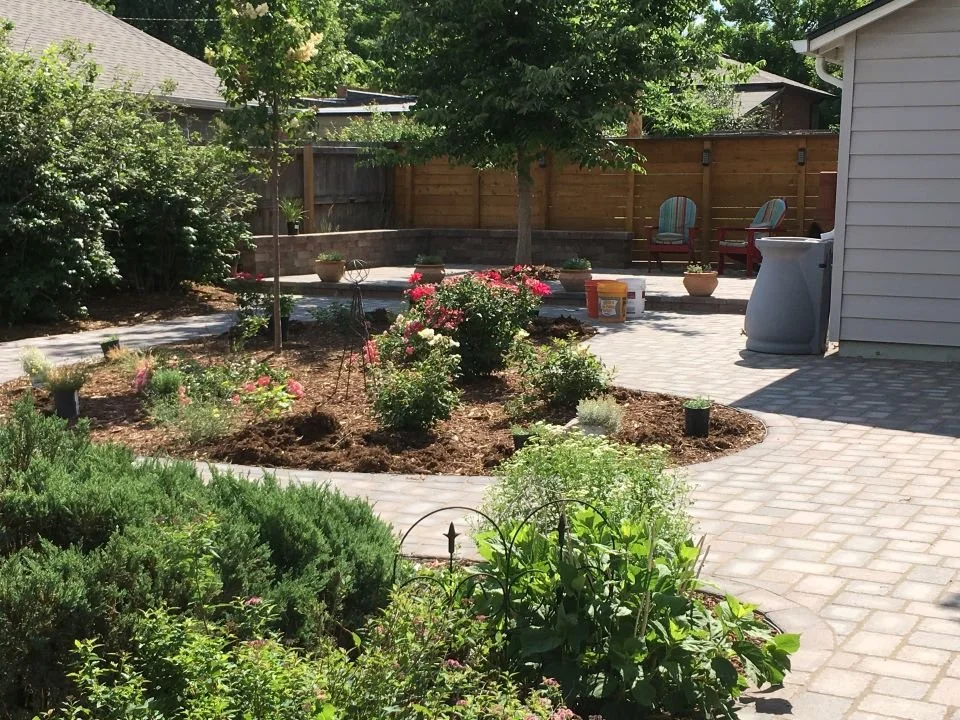
Understanding Colorado’s Late-Season Growing Window
Late-season planting in Colorado works when decisions are based on environmental conditions rather than calendar assumptions. While air temperatures cool quickly in fall, soil temperatures often remain suitable for root development well into the season. This creates a valuable window where plants can establish below ground without the stress of summer heat or aggressive top growth. However, that window varies significantly depending on elevation, sun exposure, and surrounding structures.
Urban areas and south-facing sites may retain warmth longer, while foothill communities and shaded landscapes experience earlier cooling. Soil composition also plays a role. Well-structured soils hold warmth more evenly, while compacted or rocky soils lose heat faster. Understanding these variables allows planting to occur strategically rather than reactively.
Key timing considerations include:
Soil temperatures that consistently remain above 40°F, allowing root systems to grow before dormancy
Local frost patterns that vary by microclimate rather than regional averages
Reduced evapotranspiration rates that support moisture retention without saturation
Slower above-ground growth that allows plants to focus energy on root establishment
When this window is used correctly, late-season planting can outperform spring installations. Roots develop quietly, soil settles naturally, and plants enter winter in a stabilized state. Without proper timing assessment, however, planting too late can expose roots to freeze damage before they anchor successfully.
Plant Selection and Soil Preparation That Support Survival
Choosing plants adapted to Colorado’s climate is essential late in the season. Cold-hardy species with flexible root systems handle temperature fluctuations better and recover faster after winter.
Effective planting tips for plant and soil readiness include:
Selecting regionally proven plant varieties suited to freeze cycles
Improving soil structure to enhance drainage and oxygen availability
Setting proper planting depth to avoid crown exposure during frost
Managing moisture to support roots without encouraging rot
Soil protection plays a critical role during fall installs. Organic coverings stabilize temperatures and protect roots during sudden cold snaps. Additional insight on this approach is outlined in this resource on winter mulching benefits.
Common Late-Season Landscaping Fails Without Professional Guidance
Late-season projects often fail when decisions rely on general advice rather than site-specific evaluation. Colorado landscapes are unforgiving when small errors compound under winter stress.
Common issues include:
Installing plants too close to hard frost without soil assessment
Applying mulch incorrectly leads to moisture retention problems
Prioritizing appearance over cold tolerance and root health
Overwatering as temperatures decline
These mistakes rarely show immediate symptoms. Decline often appears in early spring when plants fail to leaf out or weaken rapidly after brief warming periods. Many of these outcomes stem from avoidable missteps similar to those detailed in discussions around DIY landscaping risks.
Maintenance Planning That Protects Investment Through Winter
Late-season planting does not end at installation. Ongoing observation helps ensure plants remain stable as conditions shift from mild to freezing.
Post-planting considerations include:
Monitoring moisture levels before ground freeze
Adjusting irrigation timing as evaporation decreases
Inspecting protective coverings after wind or snow
Addressing soil movement caused by freeze and thaw cycles
Professional oversight ensures these adjustments follow real-time weather patterns rather than fixed schedules. Subtle corrections during fall often prevent losses that would otherwise appear months later.
Frequently Asked Questions
Can planting still work close to the first frost?
Yes. If soil temperatures remain warm enough for root activity, planting can still be effective despite cooler air temperatures.
Are all plants suitable for late-season installation?
No. Cold-hardy trees and shrubs perform best, while tender perennials and annuals rarely establish before dormancy.
Does mulch really matter for fall planting?
Yes. Proper mulch moderates soil temperature and moisture, reducing stress during freeze and thaw cycles.
Why do some plants fail after winter rather than during it?
Root damage often occurs during winter, but symptoms appear when spring growth demands increase.
Conclusion
Late-season planting in Colorado rewards careful planning, precise timing, and informed decisions. When soil conditions, plant selection, and seasonal maintenance align, fall installations can outperform spring projects. Professional guidance ensures these elements work together efficiently, reducing risk and protecting long-term landscape health.
When Experience Shapes Better Outcomes
For late-season planting guided by climate knowledge and proven strategy, contactHighlands Landscaping to learn how thoughtful planning supports lasting landscape success.
