
Professional Winter Clean-Up Guide to Keep Your Lawn Healthy
Winter can quietly undo months of lawn care if preparation is overlooked. In colder regions, fallen debris, compacted soil, and unmanaged moisture create conditions that weaken turf long before spring arrives. Many lawns struggle not because winter is harsh, but because pre-winter clean-up fails to address what grass actually needs during dormancy. A professional winter clean-up focuses on protecting root systems, maintaining soil balance, and preventing hidden damage that often appears months later. This guide explains how winter preparation supports long-term lawn health, what steps matter most, and why professional lawn care approaches deliver more consistent results. Clear answers come first, followed by detailed explanations that show how thoughtful winter planning preserves turf strength and appearance.
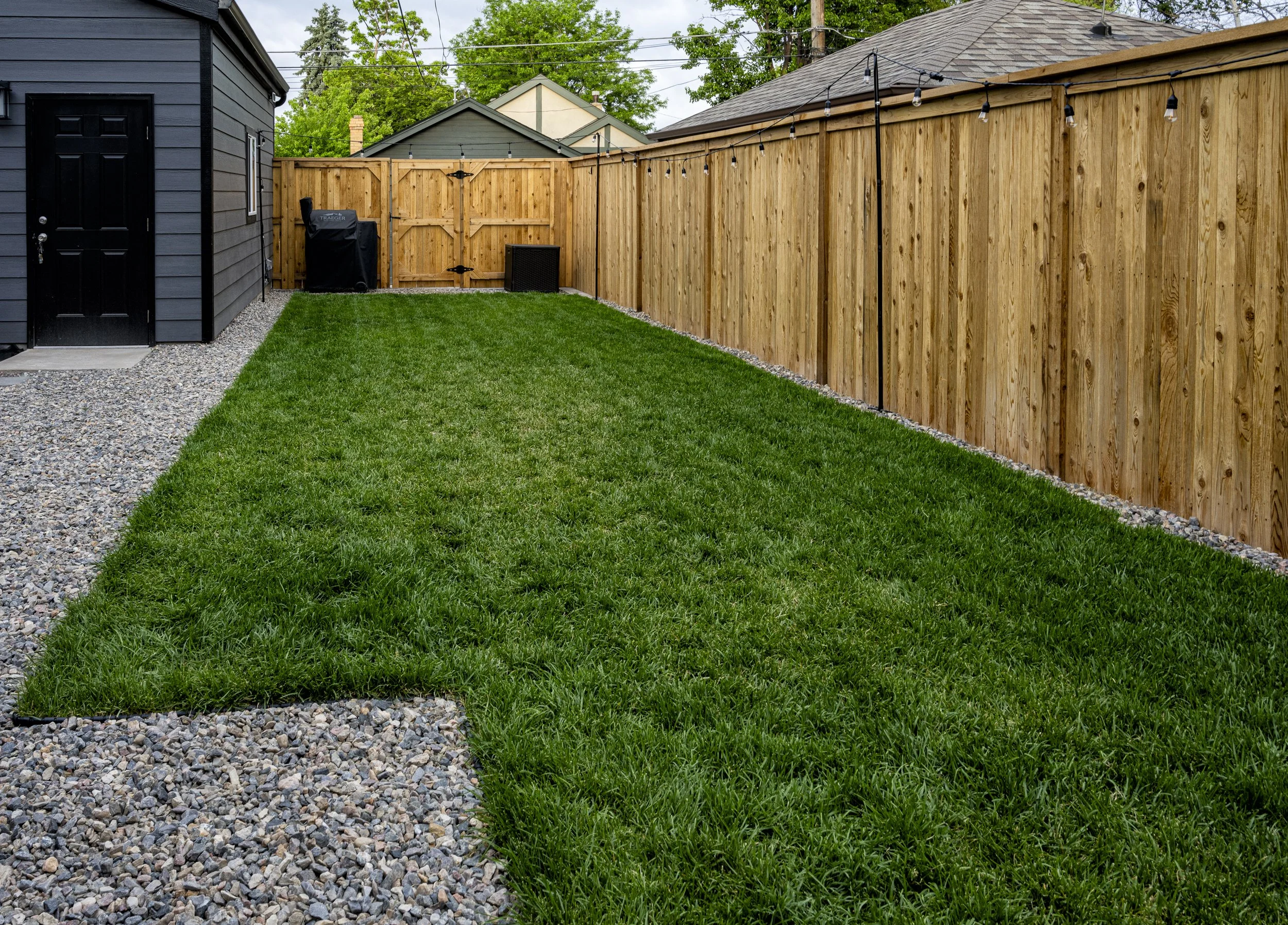
Why Winter Clean-Up Matters for Lawn Health
Winter clean-up is not cosmetic. It is a preventive process that protects turf structure while growth slows. When debris and soil conditions are addressed before snowfall, grass enters dormancy with fewer stress factors and recovers faster in spring.
Key benefits of a proper winter clean-up include:
Reduced risk of snow mold and turf disease caused by trapped moisture
Improved air flow and light exposure at the soil surface
Prevention of soil compaction from foot traffic and freeze cycles
Stronger root systems that support spring green up
Grass blades may stop growing, but roots remain active until soil temperatures drop significantly. Clearing organic debris and stabilizing soil conditions allows roots to conserve energy rather than fight environmental stress. This foundation is central to professional lawn care planning, where winter preparation is treated as part of the annual growth cycle rather than an afterthought.
Core Winter Clean-Up Practices That Protect Turf
Effective winter preparation follows a clear sequence. Each step addresses a specific risk that lawns face during extended cold periods. Skipping or rushing any stage can leave turf vulnerable.
Essential winter clean-up practices include:
Removing leaves and organic debris that trap moisture and limit airflow
Final mowing at an appropriate height to reduce matting and disease risk
Managing soil moisture to avoid oversaturation before freeze
Applying protective coverings or organic materials where soil insulation is needed
Mulch plays an important role in this process when applied correctly. It stabilizes soil temperature and protects root zones from sudden freezes. Additional insight on this approach can be found in this resource on winter mulching benefits, which explains how insulation supports plant health through winter conditions.
Common Winter Lawn Fails Without Professional Oversight
Many winter lawn problems begin with well-intentioned decisions that overlook how turf responds to cold stress. Without professional evaluation, small missteps can compound during months of dormancy.
Common winter lawn failures include:
Leaving thick leaf layers that promote fungal growth
Cutting grass too short, exposing crowns to cold injury
Ignoring drainage issues that lead to ice buildup
Applying treatments at the wrong time or rate
These issues rarely cause immediate damage. Instead, lawns appear patchy, thin, or slow to recover once temperatures rise. Similar challenges are often discussed in relation to broader DIY landscaping risks, where timing and technique determine long-term outcomes. Professional oversight helps anticipate these risks before winter conditions lock them in place.
Planning for Winter Conditions and Spring Recovery
Winter clean-up does not end once the lawn is cleared. Ongoing planning ensures turf remains stable throughout freeze and thaw cycles. Soil movement, wind exposure, and foot traffic all influence how grass survives dormancy.
Key planning considerations include:
Limiting winter traffic to reduce soil compaction
Monitoring drainage areas where ice may accumulate
Adjusting irrigation schedules before ground freeze
Preparing for gradual spring transition rather than rapid growth
Professional lawn care strategies account for local climate patterns and soil behavior. This level of planning reduces shock when temperatures fluctuate and helps grass transition smoothly into active growth. Lawns that receive this attention typically require fewer corrective treatments once spring arrives.
Frequently Asked Questions
Does winter clean-up really affect spring lawn growth?
Yes. Winter preparation protects roots and crowns, which directly influences how quickly and evenly grass grows in spring.
Is leaf removal necessary before snow?
Yes. Leaves trap moisture and block airflow, increasing the risk of mold and turf disease under snow cover.
Can lawns be damaged during winter even if they look fine?
Yes. Many issues develop below the surface and only become visible when grass attempts to grow again.
Why is timing important for winter lawn care?
Treatments applied too early or too late may be ineffective or harmful once temperatures drop and grass enters dormancy.
Conclusion
A professional winter clean-up sets the stage for healthier turf by reducing stress, protecting roots, and preventing hidden damage. When lawns are prepared with intention and expertise, they emerge stronger and more resilient in spring. Winter care is not about appearance alone. It is about preserving the conditions grass needs to thrive long term.
Preparing Your Lawn for What Comes Next
For expert guidance on winter lawn preparation and long-term turf health, contactHighlands Landscaping to learn how professional planning supports lasting results.
