
How to Wrap Your Backflow Preventer Before an Unexpected Freeze
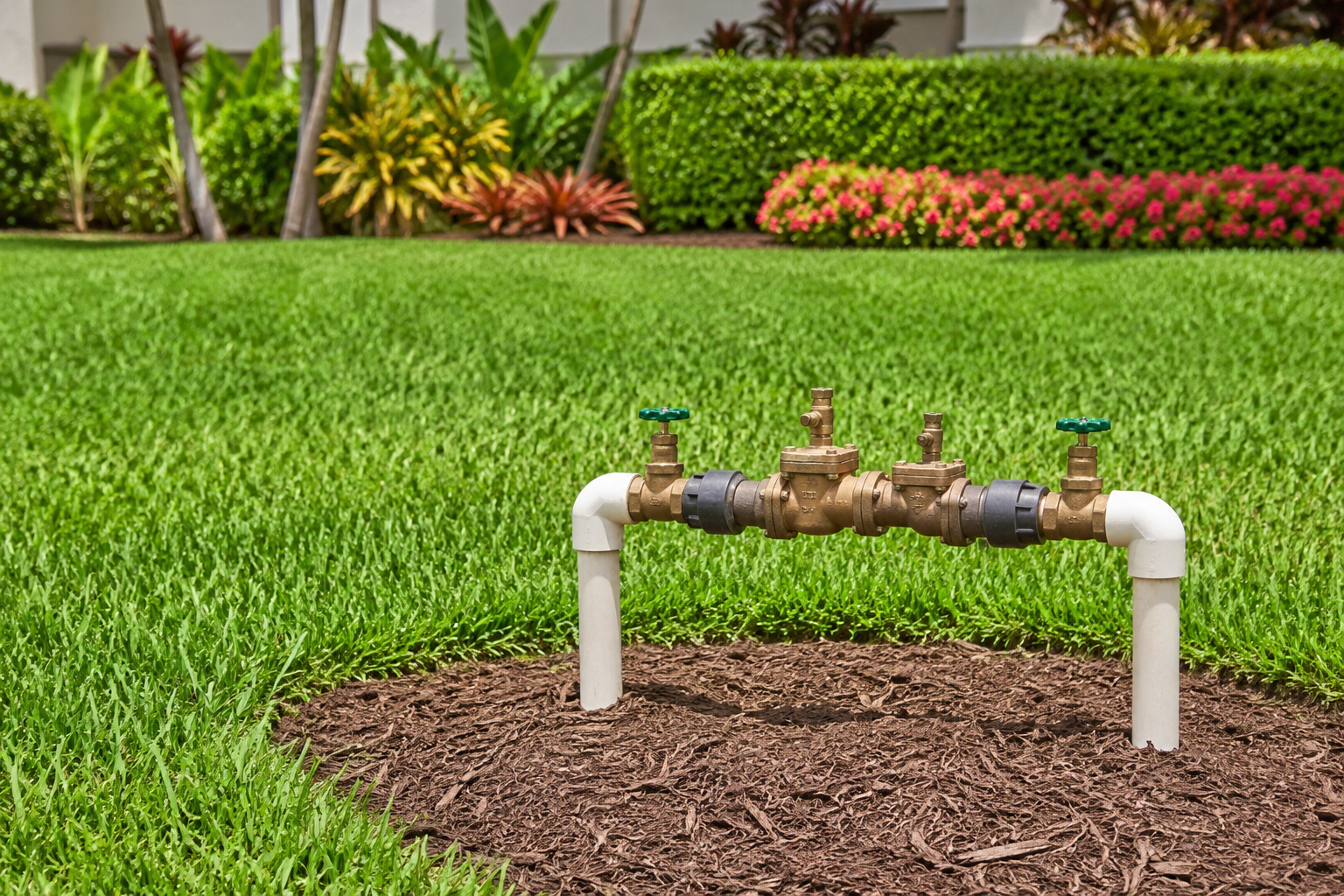
An unexpected freeze can put exposed irrigation parts at risk, especially the backflow preventer. This device usually sits above ground, which makes it more vulnerable than underground irrigation lines. When temperatures drop quickly, trapped water inside metal or plastic components can freeze, expand, and crack fittings, valves, or internal parts.
The goal is simple: protect the backflow preventer before cold air has time to settle around it. Wrapping is not a replacement for full irrigation winterization, but it can help reduce freeze exposure during sudden cold snaps. With the right materials and careful placement, property owners can give the system a better chance of making it through a surprise freeze without preventable damage.
What to use before the freeze arrives
The safest wrapping approach starts with insulation, then adds a weather-resistant outer layer. The backflow preventer needs protection from freezing air, but it should not be wrapped in a way that traps moisture directly against the assembly for long periods.
Helpful materials may include:
Insulated backflow cover. A fitted irrigation cover is usually the cleanest and most reliable option because it is made for outdoor exposure.
Towels or blankets. These can provide temporary insulation when a freeze is coming quickly.
Foam pipe insulation. This can help cover exposed pipe sections around the backflow preventer.
Heavy plastic bag or tarp. This should go over the insulation to help block wind and moisture.
Tape, bungee cords, or zip ties. These help hold the covering in place without crushing small parts.
Avoid thin plastic by itself. Plastic can block wind, but it does not provide enough insulation on its own. Also, avoid using materials that are already wet, because moisture can freeze and make the problem worse.
This kind of preparation pairs well with broader water-saving and irrigation planning. For example,sensor-based irrigation can help landscapes use water more efficiently during the growing season, but seasonal protection is still needed when temperatures drop.
How to wrap your backflow preventer correctly
Start by locating the backflow preventer before the coldest part of the day. It is usually connected to irrigation piping above ground and may be near the side of the house, a planting bed, or an exterior water source. Once located, inspect it quickly for visible leaks, loose fittings, or exposed pipe sections.
Use this basic wrapping process:
Turn off the irrigation water supply if a freeze warning is expected and the system will not be used.
If drain valves are present and safe to use, release pressure from the exposed section.
Wrap towels, a blanket, or foam insulation around the backflow preventer and nearby exposed pipes.
Cover the insulated area with a tarp, plastic bag, or weather-resistant cover.
Secure the cover so wind cannot lift it away overnight.
Keep the bottom slightly open if needed so condensation is not sealed tightly inside for days.
Remove or adjust temporary wrapping once temperatures rise and the freeze risk passes.
The key is to cover the entire exposed assembly, not only the center valve. Pipes entering and leaving the backflow preventer can freeze too. A small uncovered section can still create problems if water sits inside it during a hard freeze.
This is also why permanent irrigation planning matters. Properties designed around efficient watering, proper grading, and climate-aware planting tend to be easier to manage through seasonal changes. Water-conscious ideas likelower-water landscapes can reduce outdoor water demand, but irrigation components still need cold-weather care.
What not to do when protecting irrigation parts
A backflow preventer is important because it helps protect the water supply from contamination. That means the wrapping should protect the device without damaging it, blocking required functions, or creating unsafe conditions.
Common mistakes to avoid include:
Do not use electric heating devices unless the product is outdoor-rated and appropriate for irrigation equipment.
Do not wrap so tightly that handles, valves, or fittings bend under pressure.
Do not leave wet towels on the device after the freeze passes.
Do not assume one night of wrapping solves the full winterization process.
Do not cover leaks and forget about them. A leak can worsen when freezing temperatures arrive.
Do not ignore repeated freezes. Temporary wrapping works best for short cold snaps, not an entire winter.
A professional inspection is often helpful when the system has older fittings, previous freeze damage, exposed irrigation lines, or unclear shutoff locations. Even a small installation issue can make freeze protection less effective. Wrapping can help in a hurry, but proper winter preparation gives the system stronger protection overall.
FAQ
What is a backflow preventer?
A backflow preventer is a plumbing safety device that helps stop irrigation water from flowing backward into the clean water supply. Since many units are installed above ground, cold air can reach them quickly during sudden freezes.Can wrapping completely prevent freeze damage?
Wrapping can reduce risk during a short unexpected freeze, but it cannot guarantee full protection. Severe cold, trapped water, wind exposure, and older components can still lead to damage.Should I use plastic or towels first?
Use towels, blankets, or insulation first, then place plastic or a weather-resistant cover over the insulation. Plastic alone does not provide enough warmth.When should I wrap it?
Wrap the backflow preventer before temperatures drop below freezing. Waiting until the device is already frozen may not prevent cracking.Should I remove the wrap after the freeze?
Yes, temporary materials should be removed or adjusted once temperatures rise. Leaving damp materials on the device can trap moisture and create new problems.
Protect the System Before the Cold Settles In
A backflow preventer can be easy to overlook until a sudden freeze creates an expensive problem. The best approach is simple: know where the device is, use proper insulation, secure the cover before temperatures fall, and schedule professional support when the system needs deeper winter protection.
Protect your irrigation system before the next freeze catches you off guard. ContactHighlands Landscaping for expert landscape and irrigation support.
