
How Xeriscaping Reduces Water Usage In Denver Properties Spaces
Water usage has become one of the most pressing concerns for property owners in Denver. Traditional landscapes often rely on high-maintenance lawns and frequent irrigation, which can quickly lead to excessive water consumption and rising utility costs. As seasonal changes become more unpredictable, these systems struggle to remain efficient and sustainable.
The xeriscaping method offers a practical, long-term solution. By focusing on water-efficient design, climate-adapted plants, and strategic planning, it is possible to significantly reduce water usage while maintaining a visually appealing outdoor space. This article explores how the xeriscaping method transforms Denver landscapes into efficient, low-maintenance environments that support both sustainability and everyday usability.
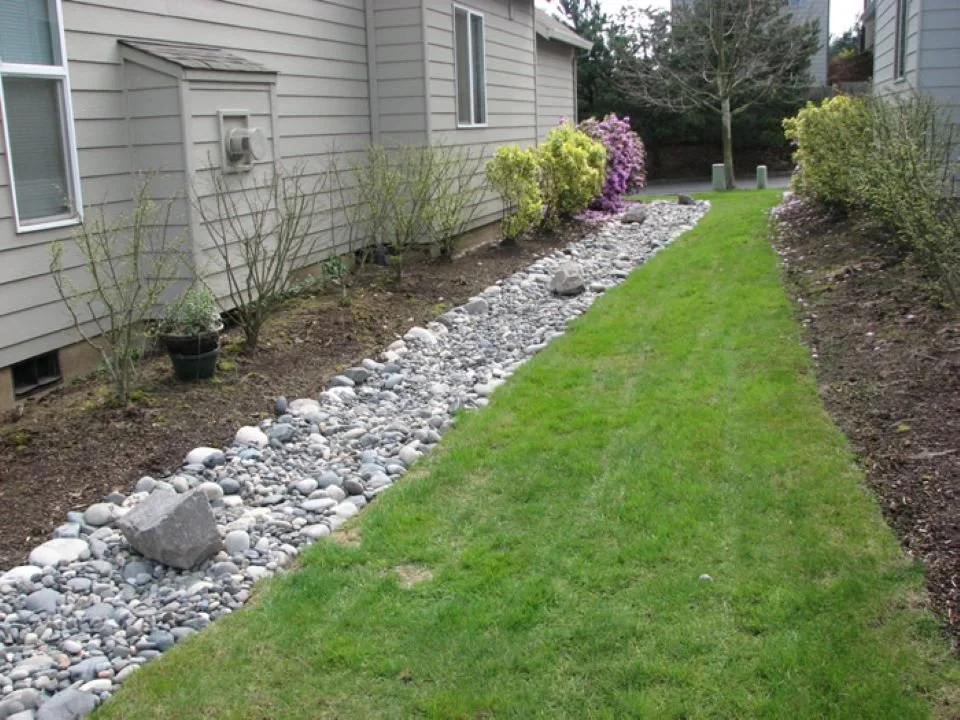
Understanding the Xeriscaping Method in Denver’s Climate
Clear answer: The xeriscaping method reduces water usage by designing landscapes that require minimal irrigation while adapting to Denver’s semi-arid climate.
Denver’s environment presents unique challenges. Limited rainfall, strong sunlight, and fluctuating temperatures make traditional landscaping approaches difficult to sustain. The xeriscaping method addresses these challenges by working with natural conditions rather than resisting them.
Core principles that define this approach include:
Native and drought-tolerant plants. Thrive with minimal supplemental watering
Efficient irrigation design. Delivers water only where it is needed
Soil improvement. Enhances moisture retention and plant health
Mulching techniques. Reduces evaporation and stabilizes soil temperature
These elements create a system where water is used efficiently rather than excessively. Instead of relying on constant irrigation, landscapes are designed to retain moisture and support plant growth naturally.
For a broader perspective on how seasonal design plays a role, this guide on spring landscaping ideas highlights how climate-aware strategies shape outdoor spaces.
How Xeriscaping Significantly Reduces Water Usage
Clear answer: The xeriscaping method reduces water consumption by replacing water-intensive features with efficient, climate-adapted alternatives.
Traditional landscapes often depend on large lawn areas that require frequent watering. In contrast, xeriscaping focuses on reducing these high-demand elements and replacing them with more sustainable options.
Key ways water usage is minimized include:
Reduced lawn areas. Limits the need for frequent irrigation
Strategic plant grouping. Matches plants with similar water needs
Drip irrigation systems. Targets water directly at plant roots
Permeable surfaces. Allows water to absorb into the soil rather than run off
To better understand the impact, consider this comparison:
Traditional landscaping relies on regular, high-volume watering to maintain grass and non-native plants
The xeriscaping method reduces water demand by using plants that naturally thrive in dry conditions
Long-term water savings are achieved through efficient design rather than increased effort
This approach not only conserves water but also reduces the time and resources needed to maintain the landscape.
Designing Functional and Low-Maintenance Outdoor Spaces
Clear answer: The xeriscaping method supports functional, low-maintenance outdoor spaces that remain consistent throughout changing seasons.
Efficiency does not mean sacrificing usability. Modern xeriscaped landscapes are designed to support everyday activities while maintaining a clean and organized appearance.
Important design elements include:
Defined outdoor zones. Creates structured areas for relaxation and movement
Hardscape integration. Reduces maintenance while improving accessibility
Seasonal plant variety. Maintains visual interest throughout the year
Efficient layouts. Simplifies upkeep and improves long-term performance
These features contribute to a balanced environment where form and function work together. By reducing reliance on high-maintenance elements, outdoor spaces become easier to manage and more enjoyable to use.
This approach reflects a shift toward practical, performance-driven landscaping that prioritizes long-term results over short-term appearance.
Common Landscaping Mistakes Without Professional Planning
Clear answer: Without professional planning, attempts to implement the xeriscaping method often lead to inefficiencies and increased maintenance.
While the concept may seem straightforward, successful execution requires careful planning and technical understanding. Many projects encounter issues due to incomplete design or improper installation.
Common mistakes include:
Poor plant selection. Choosing species that do not adapt well to local conditions
Incorrect irrigation setup. Leads to uneven watering or waste
Inadequate soil preparation. Reduces moisture retention and plant health
Disorganized layout. Creates inefficient and difficult-to-maintain spaces
These challenges can limit the effectiveness of the xeriscaping method and reduce its long-term benefits. What begins as an effort to conserve water can quickly become counterproductive without proper planning.
Professional guidance ensures that each element is aligned with the overall design, resulting in a cohesive and efficient landscape.
Smart Irrigation Practices That Support Xeriscaping
Clear answer: Efficient irrigation systems are essential to maximizing the benefits of the xeriscaping method while maintaining plant health.
Even water-efficient landscapes require some level of irrigation. The difference lies in how water is applied and managed.
Effective irrigation strategies include:
Drip systems. Deliver water directly to roots, minimizing waste
Zoned irrigation. Separates areas based on water needs
Seasonal adjustments. Adapts watering schedules to changing conditions
System maintenance. Ensures consistent performance and efficiency
Proper irrigation management plays a critical role in maintaining a balanced system. Without it, even well-designed landscapes can lose efficiency.
For guidance on managing irrigation systems effectively, this resource on irrigation system shutdown provides helpful insights into seasonal maintenance.
By combining efficient irrigation with thoughtful design, the xeriscaping method achieves both sustainability and reliability.
FAQ Section
What is the xeriscaping method?
The xeriscaping method is a landscaping approach that focuses on reducing water usage through climate-adapted design, efficient irrigation, and the use of drought-tolerant plants.
How much water can xeriscaping save?
Water savings can vary, but xeriscaped landscapes often use significantly less water than traditional lawns, especially when large grass areas are replaced with drought-tolerant alternatives.
Is xeriscaping only about rocks and gravel?
No. While hardscape elements are common, xeriscaping also includes a wide variety of plants that add color, texture, and seasonal interest.
Does xeriscaping require maintenance?
Yes, but it is generally low-maintenance. Tasks such as occasional pruning, irrigation checks, and seasonal adjustments help maintain performance.
Why is professional planning important for xeriscaping?
Professional planning ensures proper plant selection, irrigation design, and layout efficiency. This prevents common issues and maximizes long-term results.
Where Water Efficiency Meets Lasting Outdoor Design
The xeriscaping method represents a practical shift toward efficient, sustainable landscaping in Denver. By reducing water usage, improving functionality, and supporting long-term performance, it transforms outdoor spaces into resilient environments that require less effort to maintain.
Take the Next Step Toward Smarter Landscaping
For expertly planned and professionally executed xeriscaping solutions, connect with Highlands Landscaping to create an outdoor space that balances efficiency, durability, and long-term value.
