
Spring Landscaping Ideas For Denver Outdoor Living Spaces
Introduction
Spring in Denver often reveals more than just blooming plants. It exposes uneven lawns, worn-out layouts, and outdoor spaces that feel disconnected or underused. What seemed manageable during winter can quickly become overwhelming once the season shifts and outdoor living takes priority again.
Effective landscaping ideas go beyond quick seasonal fixes. They focus on creating spaces that are functional, climate-aware, and designed to perform over time. With the right approach, outdoor areas can evolve into well-structured environments that support relaxation, entertainment, and everyday use. This guide explores practical landscaping ideas tailored for Denver’s conditions, helping transform outdoor spaces into balanced, long-lasting extensions of the home.
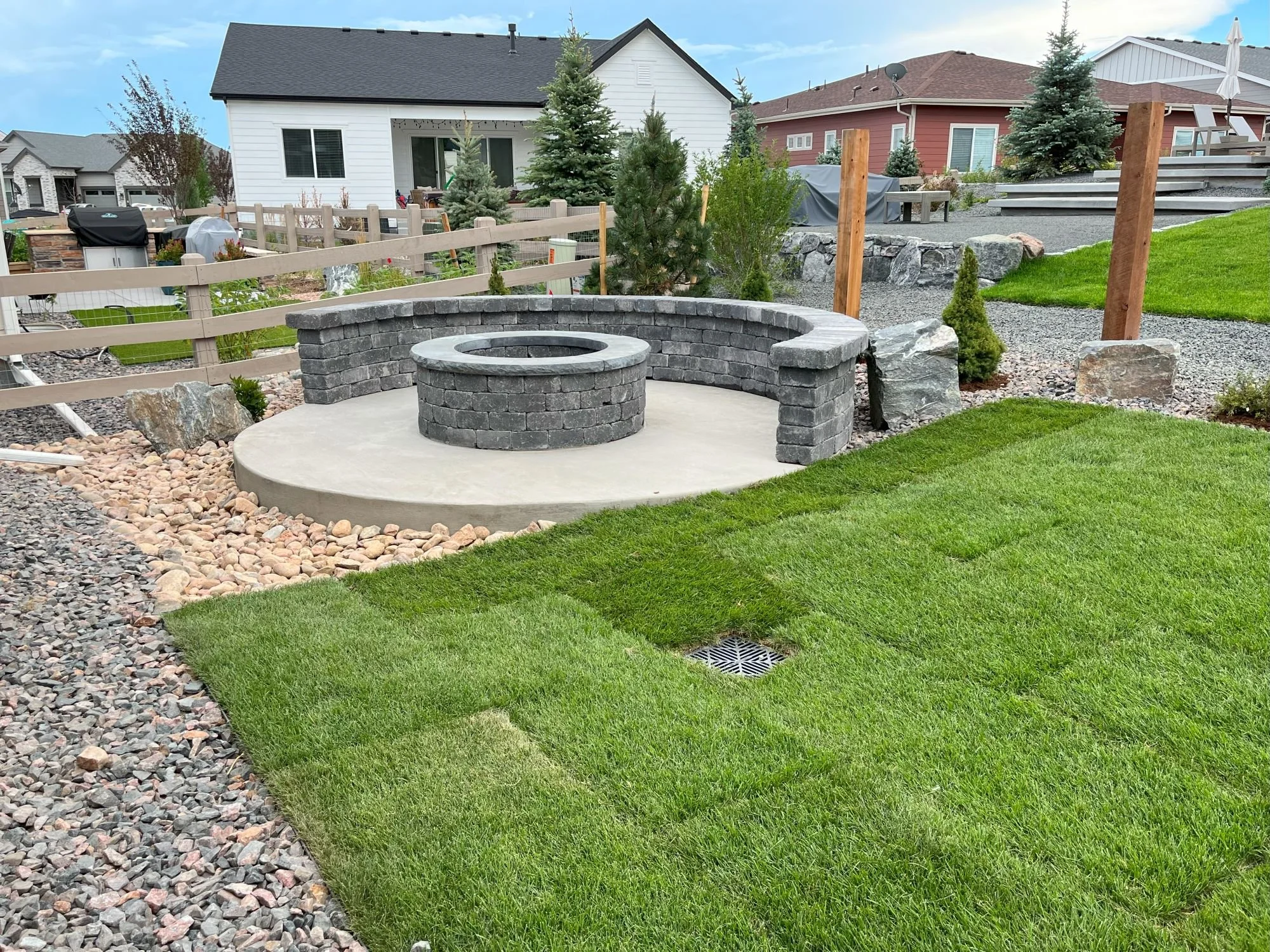
Climate-Ready Landscaping Ideas That Work in Denver
Clear answer: The most effective landscaping ideas in Denver prioritize climate adaptability, ensuring outdoor spaces remain healthy and visually consistent throughout the season.
Denver’s semi-arid climate requires thoughtful planning. Sudden temperature shifts, limited rainfall, and strong sunlight all influence how landscapes perform. Designs that ignore these conditions often struggle to maintain both structure and appearance.
Key climate-focused strategies include:
Native plant selection. Supports growth in local conditions with less water
Drought-tolerant layouts. Reduces dependency on frequent irrigation
Efficient irrigation systems. Delivers water where it is needed most
Soil preparation. Improves drainage and supports long-term plant health
These landscaping ideas help reduce maintenance while improving resilience. They also create a foundation that supports other design elements, allowing outdoor spaces to function efficiently across changing conditions.
For a broader view of seasonal direction, this resource on spring design trends highlights how modern approaches align with Denver’s environment.
Designing Outdoor Living Spaces That Feel Purposeful
Clear answer: Landscaping ideas should focus on creating defined outdoor living areas that support daily activities and long-term usability.
Outdoor spaces are no longer treated as secondary areas. They are now expected to function as extensions of the home, supporting relaxation, dining, and social interaction.
Effective design elements include:
Defined seating zones. Create structured areas for comfort and gathering
Integrated patios. Provide durable surfaces for consistent use
Multi-level layouts. Separate functions while adding visual depth
Outdoor lighting. Extends usability into evening hours
These landscaping ideas emphasize intentional design. Each element should contribute to how the space is used rather than simply filling empty areas.
When properly planned, outdoor environments feel cohesive and natural. Movement flows easily from one section to another, and each area serves a clear purpose.
Combining Hardscape and Softscape for Balanced Design
Clear answer: The most successful landscaping ideas integrate structural elements with natural features to achieve balance and visual harmony.
Hardscape components provide structure, while softscape elements introduce life and movement. Together, they create outdoor spaces that feel complete rather than fragmented.
Important considerations include:
Material contrast. Combines stone, concrete, and greenery for visual interest
Proportion balance. Ensures neither hardscape nor plantings dominate
Strategic placement. Aligns features with natural flow and usability
Layered textures. Adds depth through varied materials and plant types
This integration enhances both function and appearance. Hardscape elements define space, while plants soften the overall look and connect the design to its surroundings.
Landscaping ideas that focus on this balance tend to perform better over time. They adapt more easily to seasonal changes and require less frequent adjustments.
Common Landscaping Mistakes Without Professional Planning
Clear answer: Without proper planning, landscaping ideas often result in inefficiencies, structural problems, and increased maintenance.
Many outdoor projects begin with strong inspiration but lack the technical foundation needed for long-term success. This leads to issues that become more apparent over time.
Common mistakes include:
Poor drainage planning. Causes water accumulation and plant damage
Inconsistent layout. Creates disconnected and impractical spaces
Incorrect plant placement. Leads to overcrowding or poor growth
Ignoring soil conditions. Affects stability and plant health
These challenges are not always visible immediately. They develop gradually, making them more difficult and costly to correct.
For guidance on preparing landscapes for seasonal transitions, this resource on spring yard prep provides valuable insight into avoiding early-stage mistakes.
Professional planning ensures that landscaping ideas are not only visually appealing but also structurally sound and sustainable.
Low-Maintenance and Sustainable Landscaping Ideas
Clear answer: Modern landscaping ideas emphasize sustainability and low maintenance, allowing outdoor spaces to remain efficient and visually consistent with minimal effort.
As property owners seek practical solutions, designs are evolving to reduce upkeep without sacrificing quality. This shift reflects both environmental awareness and the need for long-term efficiency.
Key principles include:
Water conservation. Uses smart irrigation and drought-resistant plants
Reduced lawn areas. Limits high-maintenance grass surfaces
Durable materials. Minimizes repairs and long-term costs
Strategic plant grouping. Simplifies care and enhances consistency
To better understand how these approaches compare:
Traditional landscaping often relies heavily on water-intensive lawns and frequent upkeep
Sustainable landscaping ideas reduce resource use while maintaining functionality
Long-term performance improves when designs are built around efficiency and durability
These strategies create outdoor environments that are easier to maintain and better suited to Denver’s conditions.
By focusing on sustainability, landscaping ideas become more than short-term improvements. They provide lasting value and adaptability.
FAQ Section
What are the best landscaping ideas for Denver in spring?
The most effective landscaping ideas focus on climate adaptability, including native plants, efficient irrigation, and structured layouts that support both function and durability.
How can I make my outdoor space more usable?
Creating defined zones, adding hardscape features, and improving layout flow can transform outdoor areas into functional living spaces that support daily activities.
Are low-maintenance landscaping ideas possible?
Yes. By using drought-tolerant plants, reducing lawn areas, and incorporating durable materials, outdoor spaces can remain attractive with minimal upkeep.
Why do landscaping projects fail without proper planning?
Lack of planning often leads to drainage issues, poor plant selection, and inefficient layouts. These problems develop over time and can be costly to fix.
When is the best time to start landscaping in Denver?
Spring is ideal because it allows for proper planning, installation, and plant establishment before peak growing conditions.
Where Outdoor Vision Becomes Everyday Living
Spring landscaping ideas in Denver are evolving toward functionality, sustainability, and long-term performance. By focusing on thoughtful design and climate awareness, outdoor spaces can become more resilient, usable, and visually refined.
Step Into a Better Outdoor Experience
For professionally planned and expertly executed landscaping ideas, connect withHighlands Landscaping to create an outdoor space that balances beauty, structure, and lasting value.
