
How Outdoor Lighting Extends Backyard Enjoyment After Dark
A backyard can be beautifully designed during the day, but loses much of its function once the sun goes down. Patios become harder to use, walkways feel less secure, and gathering areas may fade into shadow. Without a thoughtful lighting plan, outdoor living often ends earlier than it should.
Outdoor lighting solves this by extending comfort, safety, and atmosphere into the evening. It allows key areas to remain visible while highlighting the structure and beauty of the landscape. When planned as part of the full outdoor environment, lighting can make a backyard feel more welcoming, practical, and valuable for long-term use.
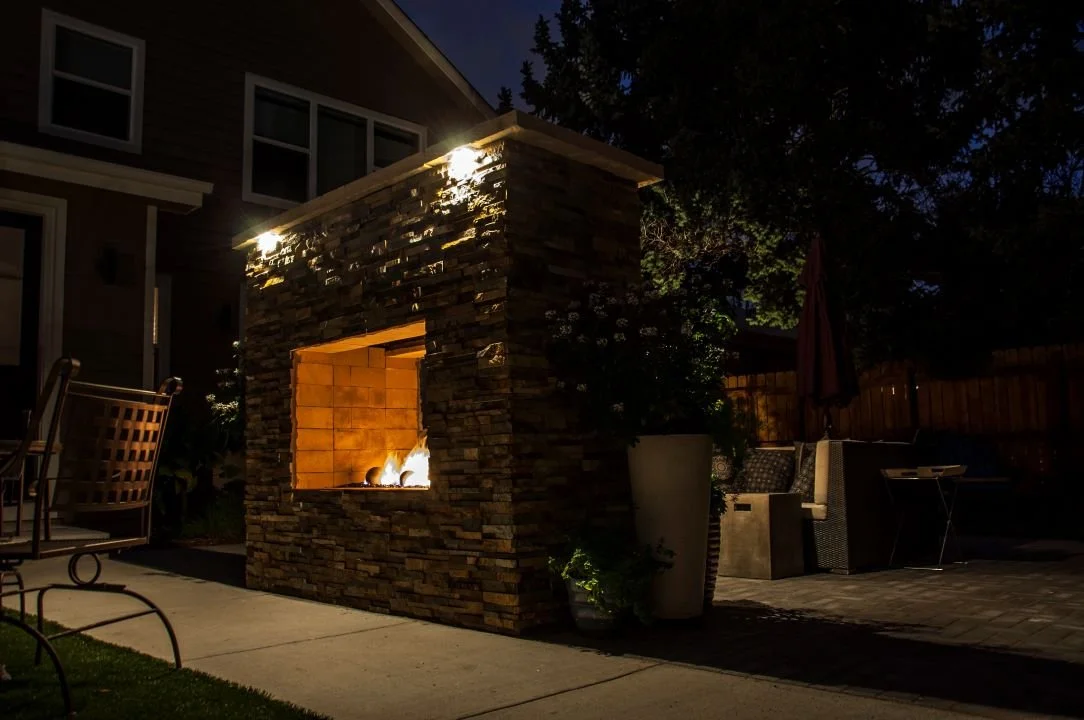
Lighting Defines Outdoor Areas After Sunset
Clear answer: Outdoor lighting helps define patios, seating areas, pathways, and landscape features so the backyard remains functional after dark.
Good lighting is not only about brightness. Each fixture should support how the space is used.
Important lighting zones include:
Patios. Keeps gathering and dining areas comfortable after sunset
Pathways. Improves movement between the home, yard, and outdoor features
Steps. Adds visibility where elevation changes may create safety concerns
Plantings. Highlights trees, shrubs, and garden beds with subtle depth
A backyard with a pergola, patio, or outdoor kitchen benefits from lighting that supports the purpose of each area. A pergola can become a stronger evening destination when lighting is coordinated with seating, shade, and hardscaping. This article on pergola installation trends shows how outdoor structures can shape backyard use.
Safety and Movement Improve After Dark
Clear answer: Outdoor lighting improves backyard safety by making walkways, stairs, edges, and transitions easier to see.
Even a well-designed yard can become difficult to navigate at night. Uneven surfaces, steps, planting edges, and low retaining features may be easy to miss without proper lighting. A thoughtful plan reduces those risks while keeping the space comfortable.
The difference is clear. A backyard with one harsh fixture may create glare while still leaving important areas dark. A layered lighting plan guides movement gently from one zone to another. It can make paths easier to follow, steps easier to judge, and entrances more visible.
Good lighting also supports security. Illuminated entry points, gates, and side-yard routes help the property feel more settled after dark. The goal is not to over-light the space, but to create balanced visibility where it matters most.
Ambience Makes Outdoor Living More Enjoyable
Clear answer: Outdoor lighting extends backyard enjoyment by creating warmth, depth, and atmosphere for evening use.
A backyard should feel inviting, not overly bright. Ambience comes from layering light at different levels and using fixtures that complement the surrounding landscape.
Effective ambience strategies include:
Soft lighting. Creates a relaxed setting for conversation and dining
Accent lighting. Draws attention to trees, stonework, fencing, or water features
Warm tones. Keeps outdoor spaces comfortable rather than harsh or commercial
Layered placement. Combines path lights, uplights, cap lights, and focal accents
The right lighting plan can change how a backyard feels. A patio becomes more intimate. A garden gains depth. A fence line can feel more polished. Trees and shrubs become part of the evening view instead of disappearing into darkness.
Too much light can flatten the space, while too little can leave important areas unusable.
Common Lighting and Landscaping Fails Without Professional Planning
Clear answer: Without professional planning, outdoor lighting can create glare, uneven visibility, poor fixture placement, and higher maintenance needs.
Lighting problems often begin with isolated decisions. A fixture may be added to solve one dark spot without considering the full backyard layout. Over time, this can create an inconsistent result.
Common issues include:
Glare. Makes spaces uncomfortable and reduces visibility instead of improving it
Dark gaps. Leaves walkways, steps, or seating areas unevenly lit
Poor placement. Causes fixtures to shine into windows or neighboring areas
Weak integration. Makes lighting feel separate from landscaping and hardscaping
A one-time fixture choice may provide short-term brightness, but it may not support long-term function. A professionally planned system considers views, movement, focal points, fixture spacing, wiring paths, and future maintenance.
This is especially important when lighting connects with patios, fences, plantings, and outdoor-living areas. Each element should work together so the backyard feels cohesive after dark.
Long-Term Value Comes From Integrated Lighting
Clear answer: Outdoor lighting adds long-term value when it is integrated with the full landscape rather than treated as an afterthought.
Lighting affects how outdoor spaces are used, seen, and maintained. When planned early, it can support the entire design. It can guide traffic, frame views, highlight craftsmanship, and make outdoor features more useful in the evening.
Integration is especially helpful around privacy features. A fence can feel more finished when lighting is planned around gates, seating areas, and planting beds. This guide on professional fence installation explains how fencing can shape privacy and outdoor function.
A strong lighting plan also considers durability. Fixtures should be chosen for outdoor conditions, proper placement, efficient performance, and long-term upkeep. When lighting is coordinated with the landscape, it becomes part of the property’s value instead of a simple decorative extra.
FAQ Section
What areas should outdoor lighting focus on first?
Walkways, steps, patios, entrances, seating areas, and key landscape features should be prioritized because they affect safety, movement, and usability.
Does outdoor lighting increase backyard value?
Yes. Outdoor lighting can improve function, curb appeal, security, and evening enjoyment, which can support long-term property value.
Can outdoor lighting be added to an existing landscape?
Yes. Existing patios, walkways, fences, pergolas, and planting areas can often be enhanced with a carefully planned lighting layout.
What type of lighting is best for pathways?
Path lights are commonly used because they guide movement while adding subtle visibility along walkways and garden edges.
Why is professional planning important for lighting?
Professional planning helps avoid glare, poor placement, uneven brightness, exposed wiring concerns, and lighting that does not fit the overall landscape.
Where Evening Comfort Meets Lasting Design
Outdoor lighting extends backyard enjoyment by improving visibility, comfort, safety, and atmosphere after dark. When lighting is planned with patios, pathways, planting areas, and privacy features, the entire backyard becomes more useful and visually complete.
Bring More Life to Your Backyard Nights
For professionally planned and expertly installed outdoor lighting, contact Highlands Landscaping to create a backyard that feels safer, warmer, and more enjoyable long after sunset.
