
Summer Landscape Upgrades That Improve Outdoor Living
Summer often reveals how well a backyard actually works. A yard may look open and green, yet still feel too hot, too exposed, poorly connected, or difficult to use for everyday activities. Without structure, shade, lighting, or efficient planting, outdoor areas can become seasonal spaces instead of true extensions of the home.
A well-planned landscape upgrade improves comfort, movement, and long-term value by connecting design with practical function. This guide explains which upgrades can make outdoor living more enjoyable while helping the landscape perform better over time.
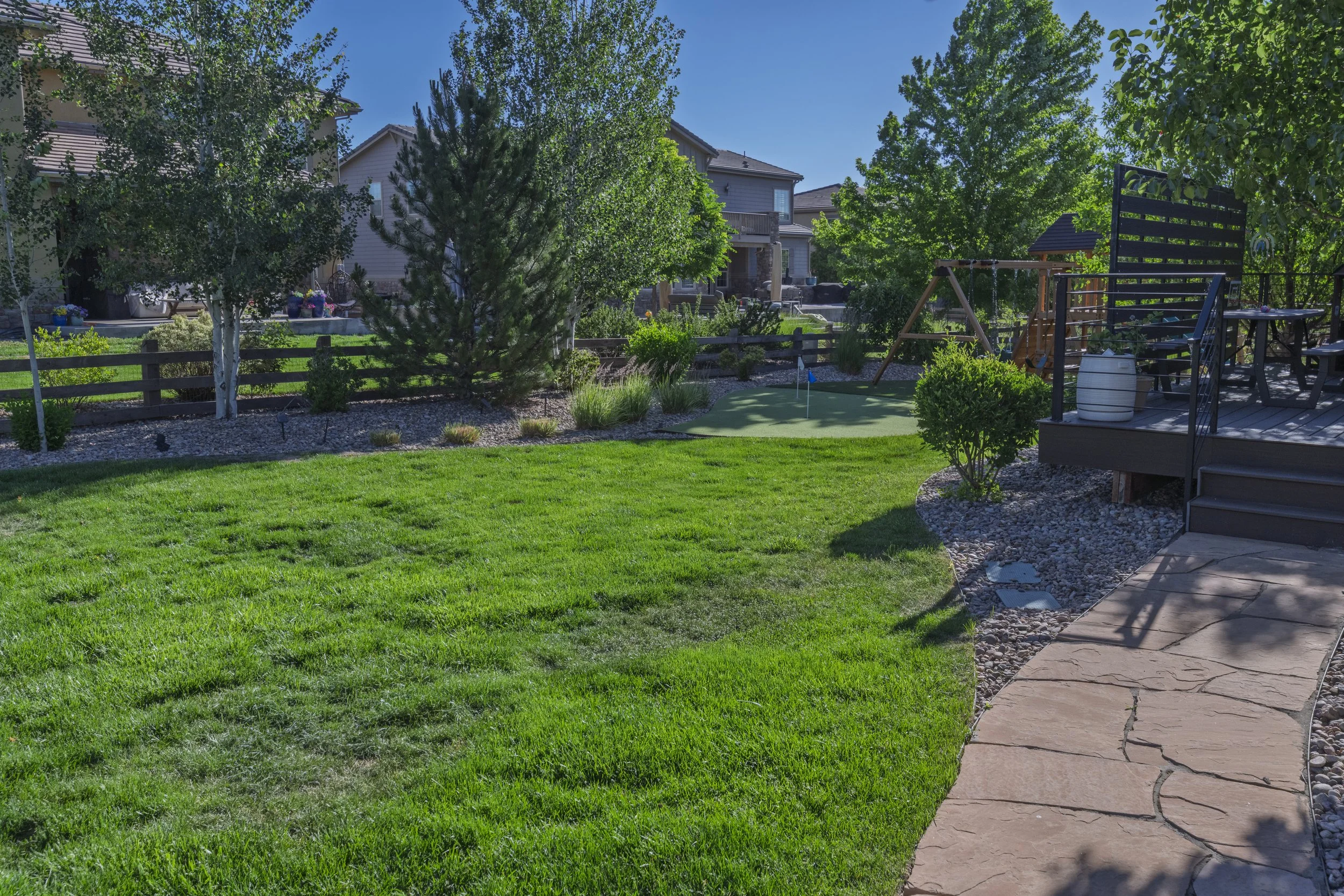
Build Functional Outdoor Living Zones
Clear answer: A landscape upgrade should begin by creating defined outdoor-living zones that make the yard easier and more enjoyable to use.
Summer backyards work best when each area has a clear purpose. Patios, walkways, seating areas, and planting beds can help organize the space so it feels intentional instead of unfinished.
Useful upgrades include:
Patios. Create durable areas for seating, dining, and daily use
Walkways. Connect the home, yard, garden beds, and gathering spaces
Pergolas. Add structure and filtered shade for outdoor comfort
Fire features. Extend usability into cooler evenings and shoulder seasons.
For a broader look at how planning protects time and budget, this article on design savings explains why structured decisions matter before work begins.
Add Shade, Privacy, and Better Transitions
Clear answer: Shade, privacy, and clean transitions make outdoor spaces more comfortable during summer while improving how the backyard feels overall.
Many yards are underused because they feel too exposed. Strong sun, open sightlines, and disconnected features can make patios or seating areas less inviting. A landscape upgrade can address these issues by shaping the space with pergolas, fencing, planting, and thoughtfully placed hardscape features.
The difference is clear. A patio without shade may look finished, but feel uncomfortable during peak sunlight. A patio connected to shade, nearby planting, and an easy walkway becomes more useful throughout the day. A yard with no privacy may feel open but exposed, while a yard with carefully planned fencing and plantings can feel more settled without feeling closed in.
Transitions also matter. Paths, edging, steps, and planting beds help guide movement from one area to another so the entire backyard feels connected.
Improve Water Efficiency and Seasonal Performance
Clear answer: Water-wise upgrades improve summer performance by reducing waste, supporting plant health, and lowering long-term maintenance demands.
Summer heat can place stress on lawns, plants, and irrigation systems. Instead of relying only on more watering, a smarter landscape upgrade focuses on efficiency and resilience.
Effective water-wise improvements include:
Irrigation updates. Deliver water more accurately to plants and lawn areas
Drought-tolerant planting. Supports healthier growth with less water demand
Mulch and rock. Helps retain soil moisture and reduce exposed ground
Lawn reduction. Replaces high-maintenance turf with practical landscape areas
Water efficiency also supports better long-term performance because plants are grouped, placed, and watered according to their actual needs.
A strong summer landscape does not depend on constant correction. It is designed to handle heat, changing conditions, and routine use with less strain.
Avoid Common Landscaping Fails Without Professional Planning
Clear answer: Without professional planning, summer upgrades can create drainage issues, disconnected layouts, poor plant performance, and avoidable repair costs.
Many landscaping problems begin with decisions that seem small at first. A patio may be placed where water collects. Plants may be installed in the wrong sun exposure. A fence may interrupt access or make the yard feel boxed in.
Common issues include:
Poor drainage. Causes pooling, erosion, or damage near hardscape areas
Weak layout flow. Makes outdoor spaces feel separated instead of connected
Incorrect plant placement. Leads to heat stress, overcrowding, or poor growth
Mismatched features. Creates upgrades that do not fit the full landscape
Professional planning helps avoid these problems by reviewing the entire property before installation. A landscape upgrade should consider grading, access, irrigation, planting, fencing, lighting, and long-term maintenance together.
When privacy is part of the goal, this guide on fence planning offers helpful points to consider before adding a boundary feature.
Use Lighting and Finishing Details for Evening Enjoyment
Clear answer: Lighting and finishing details help extend backyard use after sunset while making the landscape feel more complete.
Outdoor living does not need to end when daylight fades. Path lights, spotlights, and cap lights can improve visibility while adding warmth and atmosphere. Lighting is especially useful around walkways, steps, patios, trees, shrubs, and seating areas.
Finishing details also matter. Clean edging, refreshed mulch, rock areas, raised beds, and coordinated planting can make the full space feel polished.
A well-planned landscape upgrade brings these elements together. Lighting supports safety and ambience. Edging defines shape. Planting softens hardscape. The result is a backyard that feels usable, comfortable, and visually balanced throughout more of the day.
FAQ Section
What summer landscape upgrade adds the most value?
Patios, walkways, pergolas, lighting, irrigation improvements, and water-wise planting often add strong long-term value because they improve usability and reduce maintenance demands.
Is summer a good time for landscape improvements?
Yes. Summer can be practical for many upgrades when planning, site preparation, irrigation needs, and material scheduling are handled carefully.
How can a backyard feel more comfortable in summer?
Shade, defined seating zones, efficient planting, privacy features, and proper lighting can make outdoor spaces more comfortable and useful.
Why is drainage important for summer landscaping?
Drainage protects patios, walkways, planting beds, and lawn areas from pooling water, erosion, and long-term damage.
Can small upgrades still improve outdoor living?
Yes. Even smaller improvements, such as lighting, edging, mulch, or a focused seating area, can improve comfort and function when planned well.
Where Summer Comfort Creates Lasting Value
A summer landscape upgrade should improve more than appearance. The right upgrades create better flow, shade, privacy, water efficiency, and evening usability. When these elements are planned together, outdoor spaces become more comfortable, durable, and valuable over time.
Shape a More Usable Outdoor Space
For professionally planned and expertly executed landscape solutions, contact Highlands Landscaping to create an outdoor space designed for long-term comfort, practical function, and lasting visual appeal.
