
Why Professional Landscape Design Saves Time And Money
Outdoor improvements can become expensive when decisions are made without a complete plan. A patio may be placed before drainage is reviewed. Plants may be chosen before sunlight, soil, and irrigation needs are understood. Materials may look attractive at first, but create higher maintenance later. These issues often lead to delays, repairs, and repeated adjustments.
Professional landscape design helps prevent those problems by organizing the entire project before installation begins. It connects layout, grading, drainage, hardscaping, planting, irrigation, and outdoor-living goals into one clear strategy. With the right plan, a landscape can be built more efficiently, cost less to maintain, and deliver stronger long-term value.
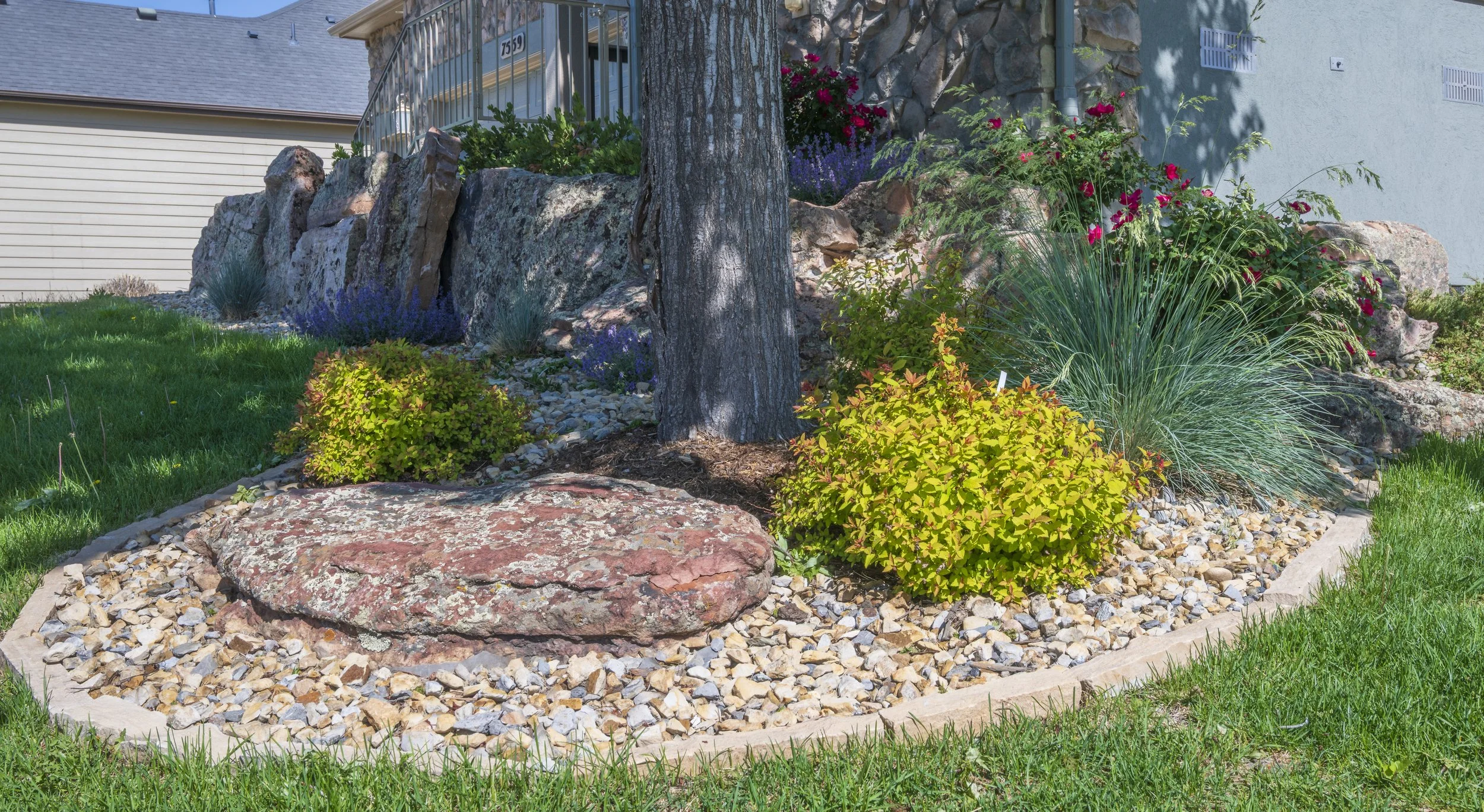
Planning First Helps Prevent Costly Rework
Clear answer: Professional landscape design saves money by identifying problems before installation begins.
A strong design process studies the whole property, not just one feature at a time. This helps prevent one-time decisions that may need correction later.
Important planning factors include:
Grading. Determines how water moves across the property
Drainage. Reduces pooling, erosion, and moisture-related damage
Access. Helps materials and equipment move efficiently
Layout. Connects patios, walkways, plants, and outdoor features
When these details are reviewed early, the project can move forward with fewer interruptions. Planning also helps avoid the cost of removing, rebuilding, or relocating features after work has started.
For homeowners comparing outdoor upgrades, this guide on summer outdoor value shows how planned improvements can support lasting property value.
Better Site Decisions Improve Project Efficiency
Clear answer: Professional landscape design saves time by making site-specific decisions before crews begin installation.
Every property has unique conditions. Soil, slope, sun exposure, wind, drainage, utilities, and existing structures all affect how a landscape should be designed. When these details are overlooked, the project may slow down once problems appear on-site.
Professional planning creates a clearer path from concept to completion. It helps determine which areas should be built first, how materials should be delivered, and where outdoor features should be positioned. This reduces confusion and keeps the project organized.
The difference is clear. Planning after work begins often leads to more delays, changes, and avoidable adjustments. Planning before installation creates a smoother project flow because crews already understand the layout, access points, materials, and sequence. Choosing features separately can create disconnected outdoor areas, while designing the full space improves long-term function and visual consistency.
Smarter Material and Plant Choices Reduce Waste
Clear answer: Professional landscape design reduces waste by matching materials and plants to the property’s conditions and long-term use.
Materials and plants affect both upfront cost and future maintenance. A surface that is not suited for heavy use may wear quickly. Plants placed in the wrong exposure may decline or require more care than expected.
Smart selections often include:
Durable materials. Support walkways, patios, and high-use areas
Climate-adapted plants. Improve survival and reduce replacement needs
Water-efficient systems. Limit unnecessary irrigation and runoff
Balanced layouts. Prevent overcrowding and simplify maintenance.
These choices help prevent overbuying, underestimating, or selecting materials that do not fit the site. Long-term savings often come from choosing the right elements from the start instead of replacing poor choices later.
Professional design also considers how materials age together. Stone, pavers, lighting, mulch, and plantings should work as one cohesive system.
Common Landscaping Fails Without Professional Planning
Clear answer: Without professional planning, landscape projects can develop problems that waste time, increase costs, and reduce usability.
Many common issues begin with an incomplete design. The finished space may look acceptable at first, but hidden problems can appear after regular use, weather changes, or seasonal growth.
Frequent mistakes include:
Poor drainage. Causes water damage, erosion, or soggy lawn areas
Incorrect grading. Creates uneven surfaces and unstable hardscape features
Weak plant placement. Leads to overcrowding, sun stress, or poor growth
Disconnected layout. Makes outdoor areas feel awkward or difficult to use
These problems often require corrective work. A walkway may need adjustment, a planting bed may need replacement, or drainage may need to be added after damage has already occurred.
For a closer look at how organized planning works, this article on design project stages explains what property owners can expect during a structured design process.
Long-Term Savings Come From Coordinated Design
Clear answer: Professional landscape design saves money over time by creating an outdoor space that performs well, requires fewer corrections, and remains useful as needs change.
A well-designed landscape is not focused only on first impressions. It considers how the property will function years from now. Plants mature, materials settle, and outdoor-living needs may change. Coordinated design helps the landscape adapt without losing structure.
This includes planning circulation, shade, irrigation, lighting, privacy, maintenance access, and drainage. When each element supports the others, the landscape becomes easier to care for and more enjoyable to use.
Professional design also helps prioritize spending. Instead of investing in features that do not improve daily function, the focus stays on improvements that support comfort, durability, curb appeal, and long-term property value.
FAQ Section
How does professional landscape design save time?
It creates a clear plan before installation begins, reducing delays, confusion, and last-minute changes during the project.
Can landscape design reduce long-term costs?
Yes. Proper planning reduces rework, improves material choices, supports water efficiency, and limits avoidable maintenance issues.
Why is drainage important in landscape design?
Drainage affects soil stability, plant health, hardscape durability, and overall outdoor performance.
Is professional design useful for small yards?
Yes. Smaller spaces often need precise planning to improve movement, privacy, function, and visual balance.
What should a design plan include?
A strong plan may include layout, grading, drainage, hardscaping, irrigation, plant selection, lighting, and maintenance considerations.
Where Smart Planning Protects Your Investment
Professional landscape design saves time and money by reducing avoidable mistakes, improving efficiency, and creating outdoor spaces built for long-term use. With the right plan, each part of the landscape supports the next, resulting in better function and lasting value.
Build Value Before the Work Begins
For professionally planned and expertly executed landscape design, contact Highlands Landscaping to create an outdoor space designed for long-term beauty, practical function, and lasting value.
