
Summer Landscaping Projects That Add Long-Term Value
Summer often reveals what a property’s outdoor space is missing. A yard may look open and usable, yet still lack shade, structure, drainage support, or defined areas for gathering. Without a clear plan, seasonal upgrades can become short-term improvements that do not add lasting value. The most effective landscaping projects focus on how the space performs now and how it will continue to function over time.
With careful planning, summer becomes an ideal season to improve comfort, curb appeal, and long-term usability. This guide explains which landscaping projects can create durable, practical spaces while helping homeowners avoid choices that lead to unnecessary maintenance later.
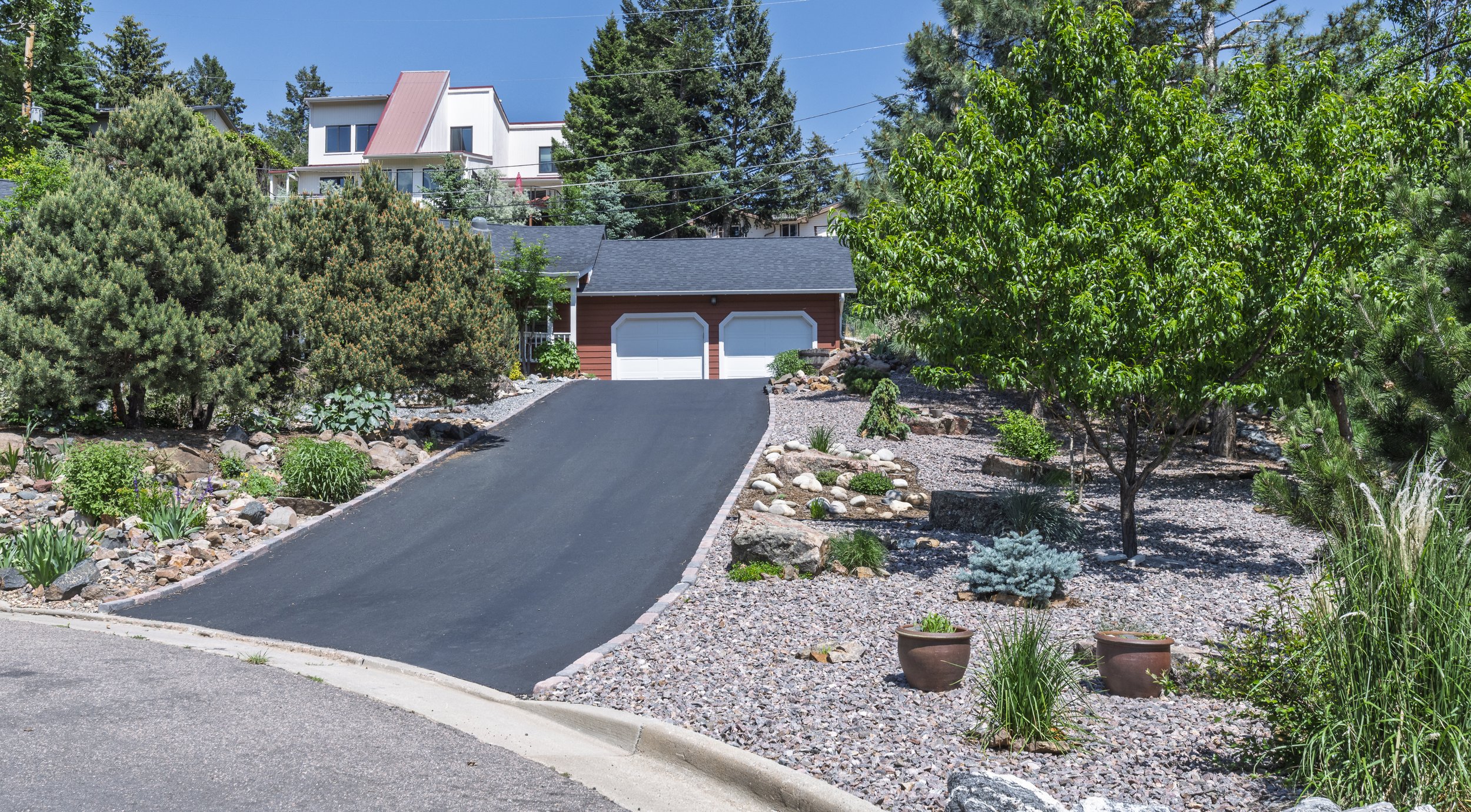
Outdoor Living Areas That Extend Everyday Use
Clear answer: Outdoor living areas add long-term value by turning unused yard space into functional areas for relaxing, dining, and entertaining.
Summer is the season when patios, seating zones, and shaded gathering areas become especially valuable. A well-planned outdoor living area creates a natural extension of the home and makes the yard feel more purposeful.
Valuable additions include:
Patios. Provide durable surfaces for seating, dining, and daily use
Walkways. Improve movement between outdoor zones and reduce lawn wear
Fire features. Extend comfort into cooler evenings and shoulder seasons
Shade structures. Improve usability during hot, sunny afternoons.
These features add structure and help define how the space should be used. Instead of placing furniture on open lawn areas, outdoor living elements create intentional zones that remain practical over time.
Before work begins, proper preparation is essential. This guide on yard preparation explains why site access, grading, and existing conditions matter before installation starts.
Hardscaping Projects That Improve Durability
Clear answer: Hardscaping-focused landscaping projects add value because they provide long-lasting structure with lower maintenance needs.
Hardscape features are often among the strongest long-term investments in a landscape. Patios, retaining walls, pathways, seating walls, and stone features help organize the yard while supporting everyday use.
Unlike grass-heavy layouts that require frequent upkeep, hardscaping creates stable surfaces that can withstand regular activity and seasonal conditions. These elements also help reduce erosion, control traffic flow, and connect different parts of the property.
A simple comparison shows the difference: a lawn-only yard may look open but often requires constant watering, mowing, and repair. A yard with integrated hardscaping provides defined access, stronger usability, and better design consistency.
Water-Wise Landscape Improvements for Summer
Clear answer: Water-wise landscaping projects add long-term value by reducing irrigation demands while improving resilience in hot weather.
Summer landscapes often struggle when designs rely too heavily on thirsty lawns or poorly placed plants. Water-wise improvements help reduce waste while keeping the property attractive and functional.
Strong options include:
Drought-tolerant planting. Supports healthy growth with less water
Efficient irrigation. Delivers water where plants need it most
Mulch installation. Reduces evaporation and protects soil moisture
Lawn reduction. Replaces high-maintenance grass with practical alternatives
These upgrades are especially valuable in climates where heat and dry periods can stress traditional landscapes. They also support long-term cost control by reducing unnecessary water use.
Water-wise design involves grouping plants by water needs, improving soil conditions, and choosing materials that support drainage and moisture retention. A well-planned system creates a balanced landscape that remains easier to manage throughout summer and beyond.
Common Landscaping Fails Without Professional Planning
Clear answer: Without professional planning, landscaping projects can create drainage problems, weak layouts, poor plant performance, and avoidable long-term costs.
Many landscape issues begin with incomplete planning. A project may look finished at first, but hidden problems often appear after weather changes, regular use, or plant growth.
Common failures include:
Poor drainage. Leads to pooling water, erosion, and damaged surfaces
Incorrect grading. Creates uneven areas and unstable outdoor features
Wrong plant placement. Causes overcrowding, sun stress, or weak growth
Disconnected layout. Makes patios, paths, and planting areas feel separate
These problems can reduce both property value and daily enjoyment. They may also require repairs that could have been avoided with better planning from the start.
A professional approach reviews the entire site before installation. This includes traffic flow, sun exposure, soil conditions, drainage, materials, and long-term maintenance needs. That level of planning helps landscaping projects perform as a complete system rather than a collection of separate upgrades.
Design-Led Projects That Age Well
Clear answer: Design-led landscaping projects age better because they are planned around function, proportion, durability, and future maintenance.
Long-term value depends on more than the initial appearance of a finished yard. The best summer projects are designed to mature gracefully and remain useful as plants grow, materials settle, and outdoor needs change.
A strong design process considers how each feature supports the overall property. Patios should connect naturally to walkways. Planting beds should soften hardscape edges. Lighting should improve safety and atmosphere without overwhelming the space. Drainage should support the design quietly in the background.
To better understand how thoughtful planning shapes lasting results, this article on design project stages explains what happens during a structured landscape design process.
Design-led work also helps prevent overbuilding. Instead of adding every possible feature, the focus stays on what improves comfort, usability, and long-term value.
FAQ Section
What summer landscaping projects add the most value?
Patios, walkways, water-wise planting, shade features, irrigation updates, and outdoor living areas often add strong long-term value.
Is summer a good time to start landscaping work?
Yes. Summer is a practical time for many projects, especially when planning, site preparation, and scheduling are handled carefully.
How can landscaping projects reduce maintenance?
They can reduce maintenance through durable hardscaping, efficient irrigation, drought-tolerant plants, and organized layouts.
Why is professional planning important?
Professional planning helps address drainage, grading, materials, plant placement, and long-term performance before installation begins.
Do outdoor living spaces increase property appeal?
Yes. Functional outdoor areas improve usability and help make a property feel more complete, comfortable, and visually refined.
Where Summer Improvements Build Lasting Value
Summer landscaping projects are most effective when they are planned for more than seasonal appeal. The right upgrades improve comfort, function, water efficiency, and long-term outdoor performance. With thoughtful design and proper installation, a yard can become a more durable and enjoyable part of the property.
Shape a Landscape Built for the Future
For professionally planned and expertly executed landscaping projects, contact Highlands Landscaping to create an outdoor space designed for long-term beauty, everyday function, and lasting value.
