
What To Expect During A Professional Landscape Design Project
Many outdoor projects begin with strong ideas but lose direction once planning and installation start. Uneven layouts, drainage issues, and disconnected features often result from designs that were not fully developed before construction began. Over time, these problems can reduce usability, increase maintenance demands, and affect the long-term appearance of the property.
A professional landscape design project creates a structured process that transforms outdoor spaces with greater efficiency and long-term performance in mind. From the initial consultation to final installation, every stage is planned to support functionality, visual balance, and durability. Understanding what to expect throughout the process helps property owners make informed decisions while creating outdoor environments that remain practical and visually refined for years.
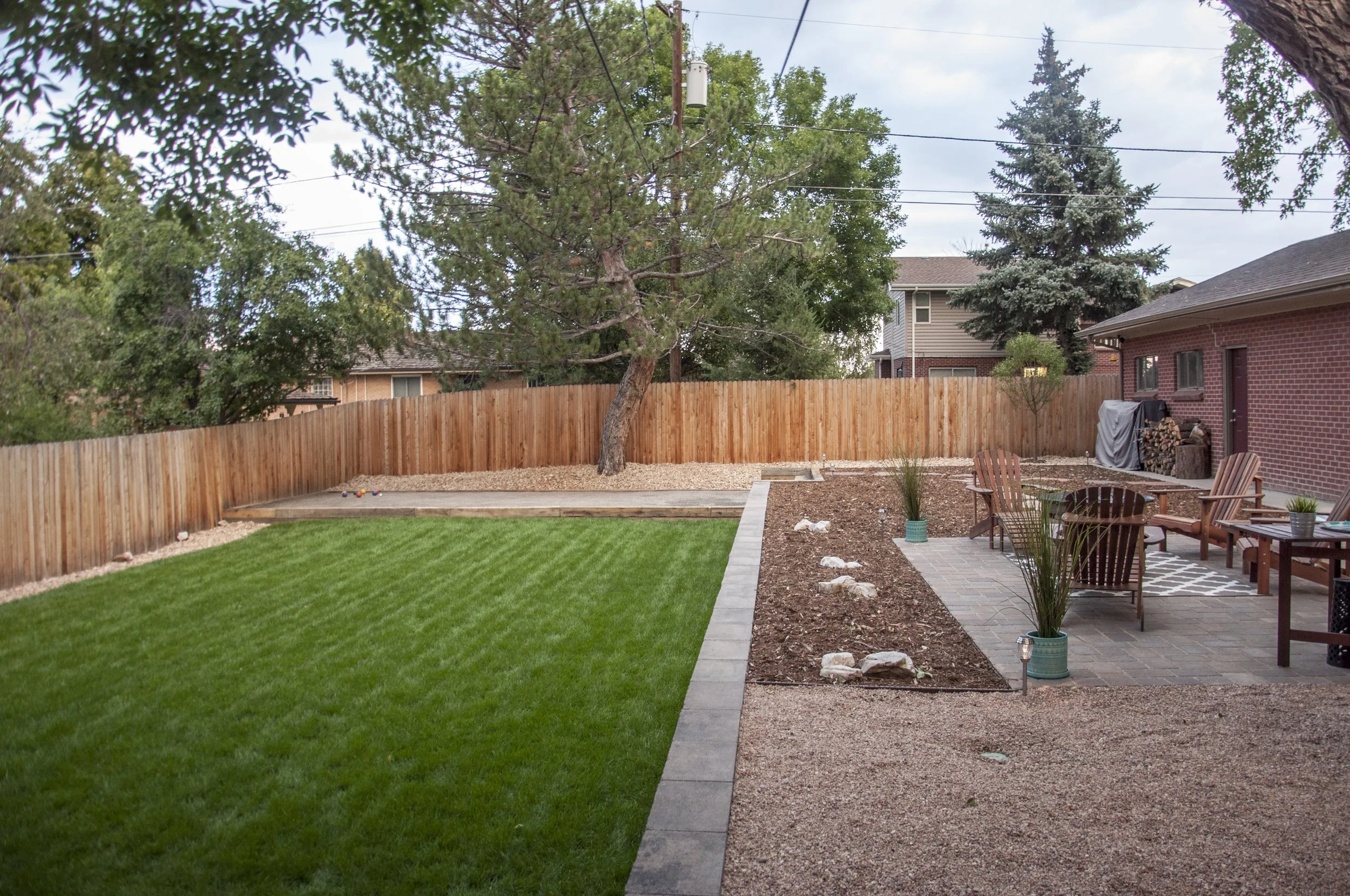
The Initial Consultation and Site Evaluation Process
Clear answer: A professional landscape design project begins with a detailed consultation and on-site evaluation to understand the property’s layout, goals, and environmental conditions.
This stage establishes the foundation for the entire project. Designers evaluate how the outdoor space currently functions while identifying limitations that may affect long-term performance.
Important factors reviewed during this phase include:
Property grading. Determines drainage flow and elevation changes
Existing landscaping. Assesses which elements should remain or be replaced
Soil conditions. Identifies challenges that may affect plant health or stability
Functional goals. Clarifies how the outdoor space will be used daily
The consultation process also helps create realistic expectations regarding design possibilities, materials, and timelines. Instead of approaching the project with isolated ideas, the design is built around how the entire property functions together.
For inspiration related to seasonal outdoor planning, this guide on spring landscaping ideas highlights practical approaches that align with modern outdoor living.
How Landscape Design Plans Are Developed
Clear answer: Landscape design plans organize outdoor elements into a cohesive layout that balances functionality, aesthetics, and long-term efficiency.
After the site evaluation, the planning phase begins. This stage transforms concepts into a structured design that reflects both environmental conditions and practical needs.
Key components often included in a professional design plan are:
Hardscape placement. Organizes patios, walkways, and retaining features
Plant selection. Chooses climate-adapted and low-maintenance greenery
Irrigation strategy. Supports water-efficiency and healthy growth
Lighting integration. Improves visibility and evening usability
A professional landscape design plan focuses on how each feature interacts with surrounding elements. This prevents outdoor spaces from feeling overcrowded or disconnected.
Installation and Project Coordination Expectations
Clear answer: Professional landscape design projects follow a coordinated installation process that keeps structural work, planting, and finishing details aligned.
Once the design is finalized, installation begins. This phase requires careful scheduling because different parts of the project often depend on one another.
Typical stages include:
Site preparation. Clears and grades the area before installation
Structural installation. Builds hardscape and drainage systems first
Planting phase. Adds greenery after foundational work is completed
Final detailing. Completes lighting, edging, and finishing touches
Project coordination plays a critical role during this stage. Hardscape installation, irrigation systems, and planting schedules must work together to avoid delays or inconsistencies.
Professional oversight also helps ensure that materials are installed correctly and adjusted to site-specific conditions. This creates a more efficient workflow while improving long-term durability.
Common Landscaping Problems Without Professional Planning
Clear answer: Without professional planning, landscape design projects often develop structural, drainage, and layout-related problems over time.
Many outdoor spaces experience issues because projects begin without a complete strategy. Features may look appealing initially, but fail to function efficiently after seasonal changes or continued use.
Frequent problems include:
Poor drainage management. Causes pooling water and erosion concerns
Inconsistent design flow. Creates disconnected outdoor areas
Incorrect plant placement. Leads to overcrowding or unhealthy growth
Weak material planning. Reduces long-term durability and performance
These mistakes often increase maintenance demands and create avoidable repair costs. What appears visually balanced at first may gradually become impractical or difficult to maintain.
Professional landscape design addresses these concerns before installation begins, ensuring that the project functions as a complete system rather than a collection of separate features.
For additional insight into current outdoor planning approaches, this resource on Denver design trends explains how modern layouts prioritize both efficiency and long-term usability.
Long-Term Maintenance and Landscape Performance
Clear answer: A professional landscape design project is planned to support long-term performance, easier maintenance, and consistent outdoor usability.
The most successful landscapes are not designed only for immediate appearance. They are created to remain functional and visually balanced through changing seasons and years of use.
Long-term performance benefits include:
Improved water efficiency. Reduces unnecessary irrigation demands
Durable material integration. Supports long-lasting outdoor structures
Organized plant groupings. Simplifies maintenance and seasonal care
Functional outdoor flow. Maintains usability as the landscape matures
These elements contribute to outdoor spaces that are easier to maintain while continuing to perform effectively over time.
Professional planning also helps prevent future conflicts between plant growth, drainage systems, and hardscape features. This creates a landscape that evolves naturally without losing structure or efficiency.
FAQ Section
How long does a professional landscape design project usually take?
Project timelines vary depending on size and complexity. Smaller projects may take a few weeks, while larger outdoor transformations often require more extensive planning and installation time.
Why is site evaluation important in landscape design?
A site evaluation identifies grading, drainage, soil, and layout conditions that directly affect how the landscape performs long-term.
What features are commonly included in landscape design projects?
Most projects include hardscaping, planting plans, irrigation systems, lighting, and functional outdoor-living areas.
Can professional landscape design reduce maintenance needs?
Yes. Strategic plant selection, organized layouts, and efficient irrigation systems help create lower-maintenance outdoor spaces.
Why do landscaping projects fail without professional planning?
Projects often fail due to poor drainage, inconsistent layouts, improper material selection, or designs that do not adapt well to environmental conditions.
Where Thoughtful Planning Creates Better Outdoor Living
A professional landscape design project provides more than visual improvement. It creates a structured, long-term approach to outdoor functionality, durability, and usability. Through careful planning and coordinated installation, outdoor spaces become more efficient, balanced, and adaptable over time.
Start Building a Landscape With Long-Term Purpose
For professionally planned and expertly executed landscape design solutions, connect withHighlands Landscaping to create an outdoor space built around functionality, durability, and lasting visual appeal.
