
What To Know Before Installing A New Fence This Year
Installing a new fence can seem straightforward, but several details affect how well the finished project performs. Property lines, drainage, slope, material choice, access points, and surrounding landscape features all influence the final result. When these details are overlooked, a fence may look out of place, create maintenance issues, or fail to support the property’s long-term needs.
A well-planned fence does more than mark a boundary. It can improve privacy, define outdoor areas, support safer movement, and complement broader landscaping projects. Knowing what to expect helps property owners avoid costly adjustments later.
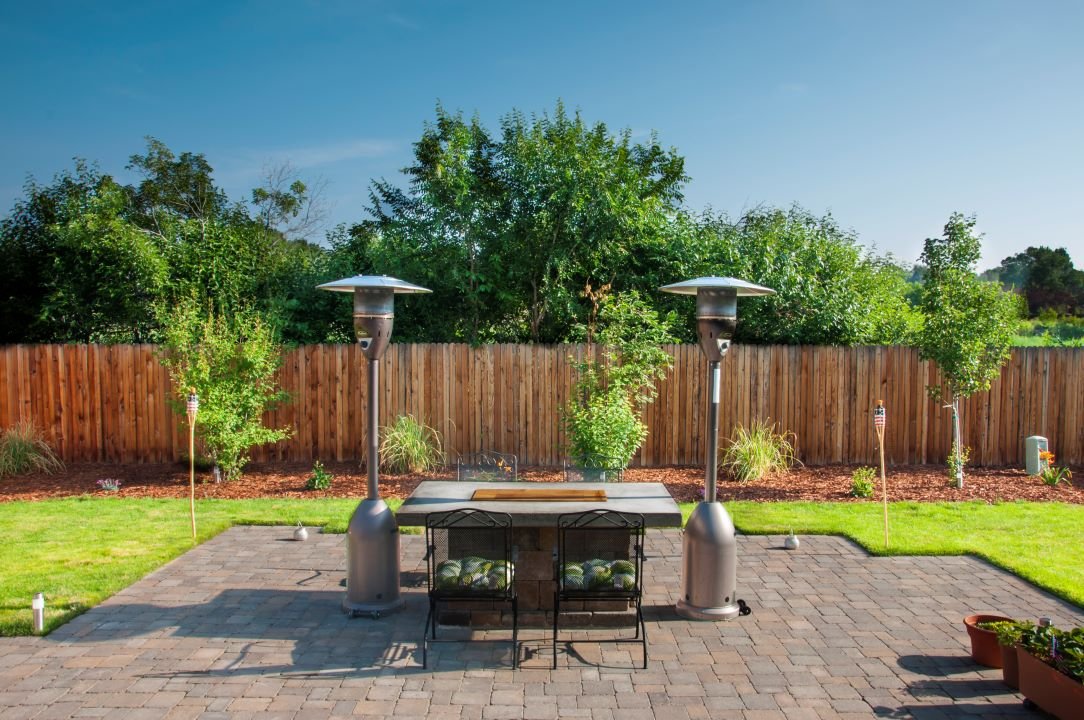
Start With Purpose, Placement, and Property Conditions
Clear answer: A successful fence installation begins with a clear purpose, accurate placement, and a careful review of site conditions.
Before choosing a style or material, it is important to understand what the fence needs to accomplish. Some fences are installed for privacy, while others are meant to guide movement, improve security, contain pets, or frame outdoor spaces.
Important factors to review include:
Purpose. Defines whether the fence supports privacy, safety, boundaries, or design
Property lines. Helps avoid placement conflicts with neighboring lots
Slope. Determines whether panels should step, follow grade, or adjust by section
Access points. Ensures gates and openings support daily movement
These early decisions shape the entire installation. A fence that works with the property’s grade, outdoor layout, and existing features will feel more intentional. For broader planning insight, this guide on summer landscaping projects shows how outdoor improvements can support long-term property value.
Choose Materials That Match Climate and Use
Clear answer: Fence materials should be selected based on durability, maintenance expectations, privacy needs, and how they fit the surrounding landscape.
Material choice affects both appearance and long-term performance. In Colorado, sun exposure, wind, snow, and temperature shifts can all influence how fencing ages. Wood offers warmth and a natural look, while metal, composite, and vinyl options may provide lower-maintenance performance depending on the design goal.
The right material should also match how the space will be used. A backyard for quiet outdoor living may benefit from a privacy-focused design, while a front-yard boundary may need a more open style that preserves curb appeal.
Material planning also affects future maintenance. Some options require staining, sealing, or seasonal care, while others mainly need routine cleaning and inspections.
Plan Around Drainage, Grading, and Outdoor Flow
Clear answer: A fence should be planned around drainage, grading, and movement patterns so it supports the property rather than disrupting it.
Fences are permanent outdoor structures, so they need to work with the existing landscape. Poor placement can block water movement, interrupt access, or create awkward transitions between outdoor areas.
Key planning considerations include:
Drainage. Prevents water from pooling along posts or fence lines
Grading. Helps the fence follow uneven terrain cleanly and safely
Gate placement. Supports practical access for people, pets, tools, and equipment
Landscape flow. Keeps patios, walkways, planting areas, and lawn spaces connected
A fence should not feel isolated. It should fit naturally into the property’s circulation and outdoor use. When planned alongside landscaping projects, fencing can define zones without making the space feel disconnected.
Before installation, site preparation also matters. This article on yard preparation explains why access, obstacles, and existing conditions should be reviewed before work begins.
Common Fence and Landscaping Fails Without Professional Planning
Clear answer: Without professional planning, fence installation can create alignment problems, drainage issues, weak posts, and layouts that reduce outdoor functionality.
Many fence problems start before the first post is installed. Incomplete measurements or rushed layout decisions can lead to issues that become more visible over time.
Common mistakes include:
Incorrect placement. Creates property-line conflicts or awkward boundaries
Weak post setting. Reduces stability during wind, snow, or soil movement
Poor drainage planning. Causes moisture problems near posts and panels
Mismatched design. Makes the fence clash with patios, plantings, or exterior features
The difference becomes clearer when comparing a fence planned by itself with one planned as part of the full landscape. A fence installed without considering patios, paths, gates, drainage, and outdoor movement may disrupt the flow of the yard. A fence planned with the landscape can support privacy, access, and visual balance. Quick material choices may also increase maintenance, while site-specific planning improves durability and long-term performance.
Professional planning helps prevent these issues by considering structure, property conditions, and long-term use together.
Think Beyond the Fence Line
Clear answer: The best fence installations are planned as part of the whole outdoor environment, not just as a boundary.
A fence can shape how the entire property feels. It can frame garden beds, create privacy for patios, guide movement toward gates, or provide a backdrop for planting. When the fence is designed with the surrounding landscape in mind, it becomes part of a complete outdoor plan.
This is especially important for properties with outdoor living areas, sloped sections, irrigation, retaining features, or future upgrades. A fence should support those elements rather than limit them. Long-term planning also helps avoid one-time decisions that limit future landscaping projects.
A well-integrated fence improves structure, comfort, and visual consistency. Instead of simply enclosing space, it helps define how that space will be used over time.
FAQ Section
When is the best time to install a new fence?
Fence installation can often be planned during warmer months when ground conditions are more workable. Timing also depends on scheduling, material availability, and site preparation needs.
What should be checked before installing a fence?
Property lines, drainage, grading, access points, gate placement, and material requirements should all be reviewed before installation begins.
Can a fence add long-term value?
Yes. A well-planned fence can improve privacy, function, curb appeal, and outdoor organization, especially when it supports broader landscaping projects.
Why is drainage important for fence installation?
Drainage affects post stability and material longevity. Poor water movement can lead to moisture damage, shifting, or early deterioration.
Should a fence match the landscape design?
Yes. A fence should complement patios, walkways, plants, and outdoor-living areas so the property feels cohesive.
Where Better Boundaries Support Better Outdoor Living
A new fence can provide privacy, structure, safety, and long-term value when it is planned with care. By reviewing materials, site conditions, drainage, access, and overall landscape flow, property owners can create a fence that supports function and design.
Build a Boundary With Lasting Purpose
For professionally planned and expertly installed fencing solutions, contact Highlands Landscaping to create an outdoor space with stronger structure, better privacy, and lasting appeal.
