
Summer Water-Saving Strategies For Colorado Landscapes
Colorado summers can be tough on landscapes. Dry air, strong sunlight, and periods of limited rainfall can stress lawns, planting beds, and irrigation systems quickly. When a yard depends on high-water turf, scattered plantings, or outdated watering habits, summer maintenance can become more expensive and less effective. The landscape may still look uneven despite frequent watering.
The right water-saving strategies help reduce waste while keeping outdoor spaces healthy, organized, and visually appealing. By combining xeriscaping, efficient irrigation, mulch, rock, artificial turf, and thoughtful plant placement, Colorado landscapes can handle summer heat with better long-term performance and curb appeal.
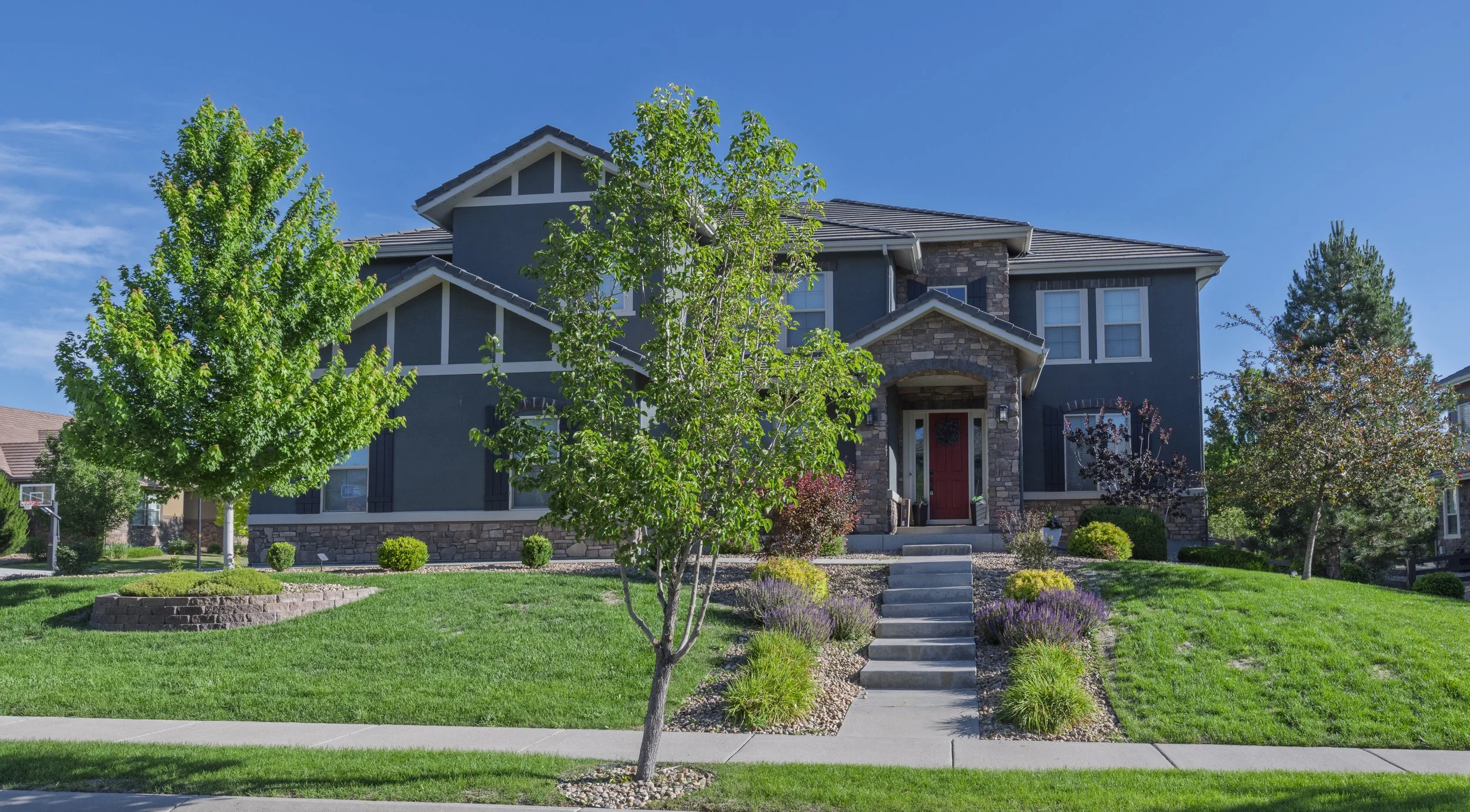
Start With Xeriscaping That Fits Colorado Conditions
Clear answer: Xeriscaping reduces summer water use by creating a landscape that is designed for Colorado’s dry climate from the beginning.
A strong xeriscape is not simply a dry yard. It uses low-water elements in a planned way so the property still looks finished, functional, and inviting.
Useful xeriscaping elements include:
Native plants. Support healthier growth with less supplemental watering
Artificial turf. Preserves green space while reducing lawn irrigation
Rock areas. Create structure and reduce exposed high-water turf
Mulch. Helps protect soil moisture around planting beds
The best water-saving strategies begin with design. A yard that uses the right plants, materials, and irrigation zones will perform better during long summer heat. For a closer look at this approach, this guide on summer xeriscaping explains how climate-ready design supports Colorado yards.
Make Irrigation More Precise and Efficient
Clear answer: Efficient irrigation saves water by delivering moisture to the right areas at the right time.
Many landscapes waste water because the system is not aligned with the layout. Overspray, poor coverage, and outdated watering schedules can leave some areas soaked while others remain dry. A better irrigation plan supports healthier growth without unnecessary runoff.
Key irrigation improvements include:
Sprinklers. Support lawn areas when coverage is measured and adjusted
Drip line. Sends water directly to planting zones with less waste
Planter irrigation. Helps raised beds receive targeted moisture
Seasonal adjustments. Matches watering schedules to changing summer conditions
A precise system protects plants while reducing unnecessary use. It also helps prevent erosion and soggy areas that can develop when too much water moves across the surface. Water efficiency is strongest when irrigation, grading, soil, and plant placement are planned together.
Keep Soil Covered, Stable, and Better Protected
Clear answer: Covering exposed soil helps reduce evaporation, heat stress, runoff, and erosion during summer.
Bare soil loses moisture quickly. It can also become compacted or washed out during heavy rain. Mulch, rock, planting beds, and well-placed hardscape areas help protect the ground while improving the appearance of the yard.
Mulch is especially useful around plants because it helps regulate soil temperature and retain moisture. Rock can define low-water areas, control exposed surfaces, and add a clean visual structure. Together, these materials support a more polished landscape while reducing the demand for frequent watering.
The difference is clear. A yard with large exposed areas often dries out faster and requires more correction. A yard with covered soil, organized beds, and appropriate planting holds moisture more effectively and looks more intentional through the summer.
Avoid Costly Water-Saving Mistakes Without Professional Planning
Clear answer: Without professional planning, water-saving updates can create uneven results, poor growth, drainage issues, and unnecessary long-term costs.
Many problems happen when water reduction is treated as simple removal instead of complete design. Removing lawn without a clear replacement plan can make the yard feel bare. Adding rock without enough planting can create a harsh look. Changing irrigation without studying zones can leave plants under-watered or over-watered.
Common mistakes include:
Poor plant placement. Puts plants in the wrong sun, soil, or irrigation zone
Weak irrigation zoning. Gives too much water to some areas and not enough to others
Overuse of rock. Reduces softness, color, and seasonal interest
Ignored drainage. Allows runoff, erosion, or pooling water to continue
A professionally planned approach considers the full property before changes begin. That includes water flow, plant groupings, turf areas, drip line, mulch, rock, and long-term maintenance. This helps water-saving strategies support beauty as well as efficiency.
Build Curb Appeal With Water-Wise Design
Clear answer: Water-saving design can improve curb appeal when every element is placed with purpose.
A low-water landscape should still feel welcoming. The strongest designs use contrast, texture, clean edges, and plant groupings to create a complete outdoor appearance. A reduced lawn area can look attractive when it is framed by planting beds, rock, mulch, and hardscape details.
Water-wise curb appeal depends on balance. Plants add softness and color. Rock and mulch provide definition. Artificial turf can preserve a green look where useful. Irrigation keeps plantings supported without wasting water. This article on lower water use explains how water reduction and visual appeal can work together.
Over time, this coordinated approach helps the landscape stay cleaner, easier to maintain, and more resilient through hot summer conditions.
FAQ Section
What are the best water-saving strategies for Colorado landscapes?
The best options include xeriscaping, efficient irrigation, drought-tolerant planting, mulch, rock, artificial turf, and better plant grouping.
Can a low-water yard still look attractive?
Yes. A low-water yard can look polished when plants, rock, mulch, turf, edging, and irrigation are planned as one cohesive design.
Does xeriscaping mean removing all grass?
No. Xeriscaping can reduce lawn areas, but artificial turf, planting beds, rock, mulch, and hardscape features can also support a balanced design.
Why is irrigation still important in a water-wise yard?
Even low-water plants need support, especially during establishment. Efficient irrigation helps deliver water without unnecessary waste.
What is a common mistake with water-saving landscaping?
A common mistake is removing lawn or adding rock without a full plan for planting, irrigation, drainage, and long-term curb appeal.
Where Water Savings Support Lasting Outdoor Beauty
Summer water-saving strategies work best when they reduce waste without making the landscape feel unfinished. Xeriscaping, efficient irrigation, mulch, rock, artificial turf, and thoughtful planting can help Colorado landscapes stay healthier and more attractive through heat.
Create A Smarter Summer Landscape
For professionally planned and expertly executed water-wise landscaping solutions, contact Highlands Landscaping to create an outdoor space designed for lower water use, lasting curb appeal, and long-term value.
