
A backyard renovation can solve long-standing problems, but it can also introduce new ones when individual features are planned without a shared purpose. An attractive patio may interrupt a natural walking route. New planting beds may need more irrigation than expected. An overlooked slope can send water toward recently installed materials. These issues add expense and reduce comfort.
A successful backyard landscape renovation begins by understanding the property and deciding how the finished space should work. That means assessing daily use, site conditions, and future maintenance. A clear plan also creates realistic expectations about the construction sequence and how the yard will perform after installation. The following priorities support a coordinated plan.
Understand the Property Before Choosing Features
Start with a site evaluation rather than a shopping list. A renovation should respond to the yard's actual conditions, including changes in elevation, sun exposure, access, and existing features that are worth keeping.
The first review should address:
Drainage: identify pooling, erosion, and the direction water travels after storms
Sunlight: note which areas become hot, shaded, or exposed during daily use
Movement: consider how people will travel between doors, paths, and gathering areas
Existing features: assess the condition of plants, fences, irrigation, and paving
These observations shape later choices. Strong afternoon sun affects seating placement, while grading concerns need attention before installation. Understanding the landscape design process can also clarify how an early evaluation shapes the final plan.
Establish a Realistic Budget and Project Sequence
A realistic budget considers more than the visible features. Site preparation, grading, drainage, access, materials, irrigation adjustments, and planting can all influence the scope. Allowing for unexpected conditions can reduce disruptions.
Separate priorities from preferences. A daily-use patio may matter more than an occasional decorative feature. A poorly drained yard may need grading before new pavers or planting beds can perform properly.
The order of work is equally important. Underground and structural work generally needs coordination before finishing touches are added. Building a walkway only to reopen it for irrigation changes wastes time and materials. A clear sequence protects completed work and allows each phase to contribute to the finished landscape. Costs should be reviewed against both the initial installation and the ongoing requirements of irrigation, cleaning, and plant care.
Choose Materials and Plantings for Colorado Conditions
A backyard should look cohesive while responding to local weather. Colorado properties may experience strong sun, dry periods, snowmelt, and freeze-thaw cycles. Materials and plants should be selected with those conditions in mind rather than appearance alone.
Useful choices to consider include:
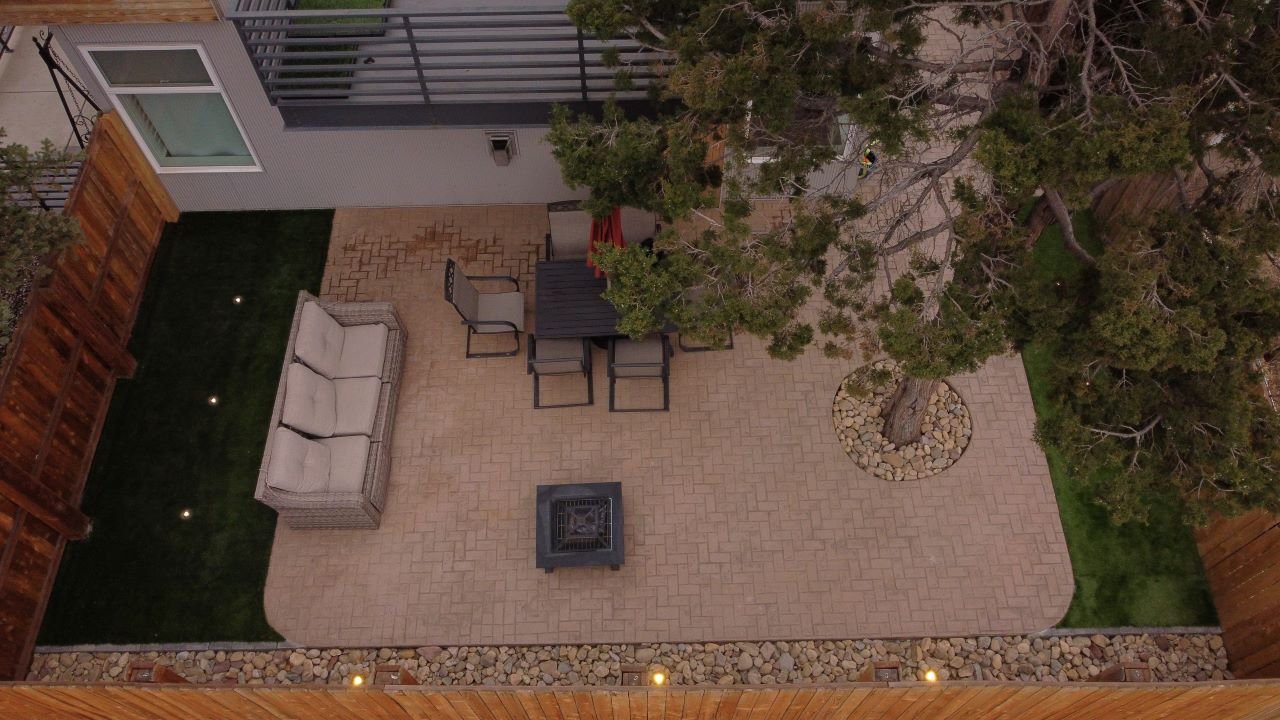
Pavers and flagstone: create defined walking and gathering areas with durable finishes
Drought-tolerant plants: reduce high-water planting demands when appropriately placed
Mulch and rock: define beds while helping manage exposed soil and maintenance needs
Drip irrigation: provides targeted moisture to suitable planting areas
A renovation does not require removing every lawn area. Sod, artificial turf, and xeriscaping elements can be used selectively according to the property's goals and water needs. Retaining walls may help manage elevation changes, while pergolas and lighting can improve the comfort of established outdoor zones. Balance matters more than adding every possible feature.
Avoid Common Renovation Mistakes Without Professional Planning
Costly setbacks arise when features are planned separately, creating conflicts across the property.
Frequent mistakes include:
Ignored grading: leaves water collecting near patios, planting beds, or structures
Poor proportions: creates gathering areas that feel crowded or oversized
Unmatched plants: groups species with different sun and water requirements
Limited access: makes material delivery, construction, or future upkeep difficult
Consider two approaches. One adds a patio, fence, and planting beds whenever funds become available, without checking how they connect. The other establishes a complete layout first, then phases installation according to priorities and site conditions. The second approach offers a clearer path to coordinated results and fewer avoidable changes.
Professional planning is especially useful when drainage, hardscaping, irrigation, and planting must function together. It helps identify conflicts before they become costly corrections.
Prepare for Installation and Future Maintenance
A finished landscape must remain functional. Before work begins, plan access, material staging, protection, and applicable approvals. Clear expectations about the work area can make installation less disruptive.
This preparation also helps reveal hidden concerns. Existing irrigation lines, uneven ground, and confined access can affect the sequence of work. Discussing how the work area will be used during installation helps protect nearby features and set realistic expectations. A guide to yard preparation offers more context on reviewing a site before landscape installation begins.
Long-term upkeep deserves equal attention. Plantings will mature, irrigation needs will change, and pavers or edging may need periodic inspection. When maintenance access, drainage, and plant spacing are considered at the design stage, the backyard can remain inviting without constant rearrangement. A renovation succeeds when the result fits ordinary life, not just the day it is completed.
Frequently Asked Questions
What should be planned first in a backyard renovation?
Begin with how the space will be used and evaluate drainage, grading, sunlight, access, and existing features. Those findings help determine a workable layout before materials or decorative elements are selected.
Can a backyard renovation be completed in phases?
Yes. Phasing can help manage spending, but the full layout should be considered first. That reduces the likelihood of removing completed features to accommodate later irrigation, paving, or planting work.
Which features offer practical outdoor value?
Patios, paver walkways, planting beds, efficient irrigation, lighting, pergolas, and retaining walls may all improve function. The most useful choices depend on the property's conditions and the household's priorities.
How does drainage affect the renovation plan?
Drainage influences soil stability, planting health, and the performance of hardscape features. Grading and water movement should be evaluated early so runoff does not create problems around newly finished areas.
Why involve a landscape professional early?
A professional can coordinate site conditions, materials, irrigation, drainage, and construction sequencing. This reduces disconnected decisions and anticipates maintenance.
Where a Cohesive Backyard Takes Shape
A successful backyard landscape renovation starts with realistic goals and a clear understanding of the property. Coordinating the layout, budget, water management, materials, and installation sequence helps create outdoor areas that remain comfortable and practical over time. Careful planning also protects the investment from avoidable revisions.
Give Your Next Backyard Chapter a Clear Plan
To explore a coordinated landscape renovation that suits your property, contact Highlands Landscaping for a consultation about design priorities, site conditions, and long-term outdoor use.
