
Why DIY Retaining Walls Often Lead To Costly Repairs
A retaining wall may look like a simple stack of blocks or stone, but it performs a demanding structural job. It must hold back soil, control pressure, support elevation changes, and manage water movement at the same time. When a wall is planned without a full understanding of grading, drainage, base preparation, and site conditions, small mistakes can become expensive repairs later.
DIY retaining wall projects often fail because they focus on appearance before performance. A wall can look straight on the first day and still begin leaning, cracking, or settling after weather, runoff, and soil pressure test the installation.
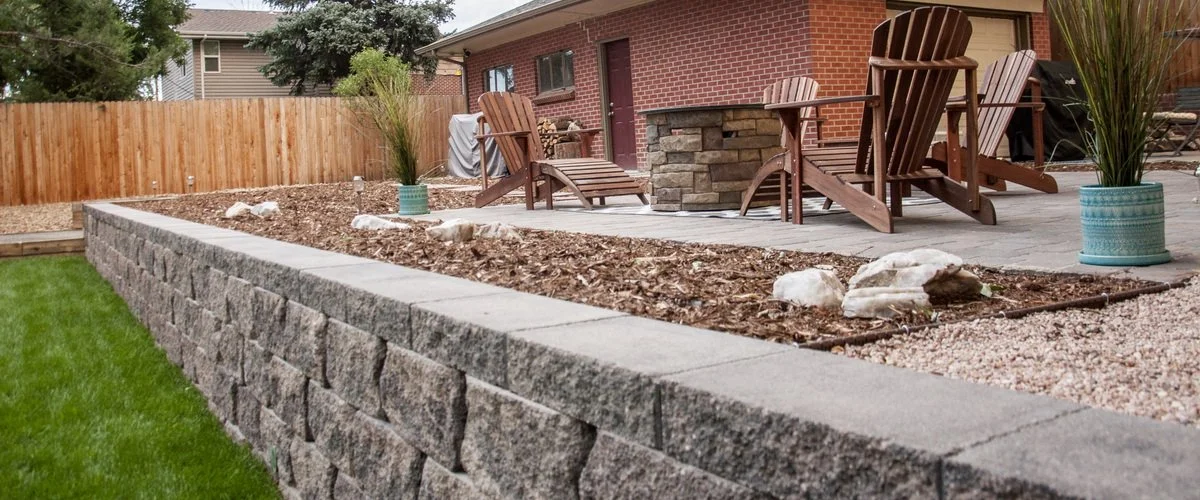
Understanding What A Retaining Wall Must Do
Clear answer: A retaining wall must stabilize soil, manage water pressure, and support the surrounding landscape safely over time.
The wall is only one part of the system. The soil behind it, the base below it, and the drainage around it all affect long-term performance.
Important structural responsibilities include:
Soil retention. Keeps sloped or raised ground from shifting forward
Pressure control. Helps manage the weight of soil behind the wall
Drainage support. Reduces water buildup that can push against the wall
Landscape integration. Connects the wall with patios, beds, walkways, and grading
These details explain why a retaining wall should be planned as part of the full outdoor space. A wall treated only as a visible border may not be ready for the pressure it needs to handle.
Drainage Mistakes Can Lead To Wall Failure
Clear answer: Poor drainage is one of the most common reasons a retaining wall becomes damaged or unstable.
Water adds pressure behind the wall. If runoff, irrigation, or snowmelt collects without a proper path, that pressure can build until the wall starts to lean, bulge, crack, or separate. The problem may not appear immediately.
Drainage planning should consider slope, soil type, nearby planting beds, patios, and hardscape areas. Water needs a controlled path before it reaches the wall, behind the wall, and beyond the wall. Without that planning, the wall may collect several water problems.
For related slope concerns, this article on sloped retaining walls explains why walls matter on properties with elevation changes.
A comparison statement makes the risk clear. A wall built mainly for appearance may hide drainage problems at first. A wall planned with water movement in mind is more likely to perform through seasonal changes.
Common DIY Retaining Wall Fails Without Professional Planning
Clear answer: DIY retaining wall projects often become costly because they miss technical details that are not obvious during installation.
The most expensive issues often begin below the surface or behind the wall. A base may look level but lack proper depth. Blocks may appear aligned but lack the needed support. Drainage may seem unnecessary until the first heavy runoff event.
Common mistakes include:
Weak base preparation. Causes settling, shifting, or uneven wall sections
Incorrect height planning. Adds pressure beyond what the wall can handle
Poor backfill choices. Traps water or fails to support proper drainage
Disconnected layout. Makes the wall conflict with beds, paths, or grading
A quick installation may save time at the beginning, but repairs can require removing sections, correcting the base, rebuilding drainage, or replacing damaged materials. Professional planning helps identify these risks early.
Materials, Grading, and Base Work Affect Repair Costs
Clear answer: Repair costs often rise when the original wall uses unsuitable materials, poor grading, or weak base preparation.
A retaining wall needs materials that match the site conditions and the purpose of the wall. Decorative blocks, stone, or concrete elements may perform differently depending on wall height, slope, soil pressure, and drainage needs. The wrong choice can shorten its lifespan.
Cost-related concerns include:
Material mismatch. Uses products that do not fit the wall’s load or location
Poor grading. Sends runoff toward the wall instead of away from it
Shallow base. Fails to support the wall through settling and weather changes
Missing integration. Ignores nearby irrigation, planting beds, and hardscape areas
The difference is clear. A low-cost wall that needs rebuilding can become more expensive than a properly planned wall from the start. A long-term plan considers structure, appearance, drainage, and maintenance together.
Long-Term Planning Prevents Repeat Repairs
Clear answer: Professional landscape planning helps prevent repeat retaining wall repairs by treating the wall as part of a larger outdoor system.
A retaining wall should support the whole yard, not simply divide one area from another. It may need to work with grading, drainage, irrigation, planting beds, walkways, pavers, and outdoor-living spaces. When these features are planned together, the wall becomes more stable.
Long-term planning also helps avoid one-time decisions that create future limitations. For example, a wall placed without considering a future patio or walkway may need changes later. A wall built without drainage planning may require repairs after repeated wet seasons.
For broader planning insight, this guide on design savings explains how professional design can reduce rework and protect long-term value.
The goal is to build a wall that continues to support the landscape through use, weather, and time.
FAQ Section
Why do DIY retaining walls fail?
They often fail because of poor drainage, weak base preparation, incorrect height planning, unsuitable materials, or incomplete grading.
Is drainage really necessary behind a retaining wall?
Yes. Drainage helps reduce water pressure behind the wall, which is one of the main causes of leaning, bulging, and cracking.
Can a small retaining wall still need professional planning?
Yes. Even smaller walls can fail if soil pressure, water movement, base depth, and grading are not reviewed correctly.
What makes retaining wall repairs expensive?
Repairs may require removing materials, correcting the base, adding drainage, adjusting grading, and rebuilding sections of the wall.
How can a retaining wall last longer?
A retaining wall lasts longer when it is planned with proper drainage, suitable materials, stable base preparation, and site-specific grading.
Where Strong Planning Protects Your Landscape
DIY retaining wall projects become costly when hidden structural needs are overlooked. A successful wall must manage soil, drainage, grading, materials, and surrounding landscape features as one connected system. Careful planning helps prevent leaning, settling, pressure, and repairs.
Build Strength Before Problems Start
For professionally planned and expertly installed retaining wall solutions, contact Highlands Landscaping to create an outdoor space designed for stronger support, better drainage, and long-term landscape value.
