
How To Design A Backyard Built For Colorado Weather
Colorado weather can place constant pressure on a backyard. Strong sun, dry air, sudden temperature shifts, snowmelt, wind, and summer heat all affect how outdoor spaces perform. A yard may look finished at first, yet still struggle with dry planting beds, worn lawn areas, poor drainage, or hardscape surfaces that do not fit the site. Over time, those problems can make the space harder to enjoy and more expensive to maintain.
A weather-ready backyard landscape is planned around Colorado conditions from the beginning. By combining smart planting, efficient irrigation, drainage, artificial turf, rock, mulch, and durable hardscaping, the yard can stay more functional, attractive, and resilient throughout the year.
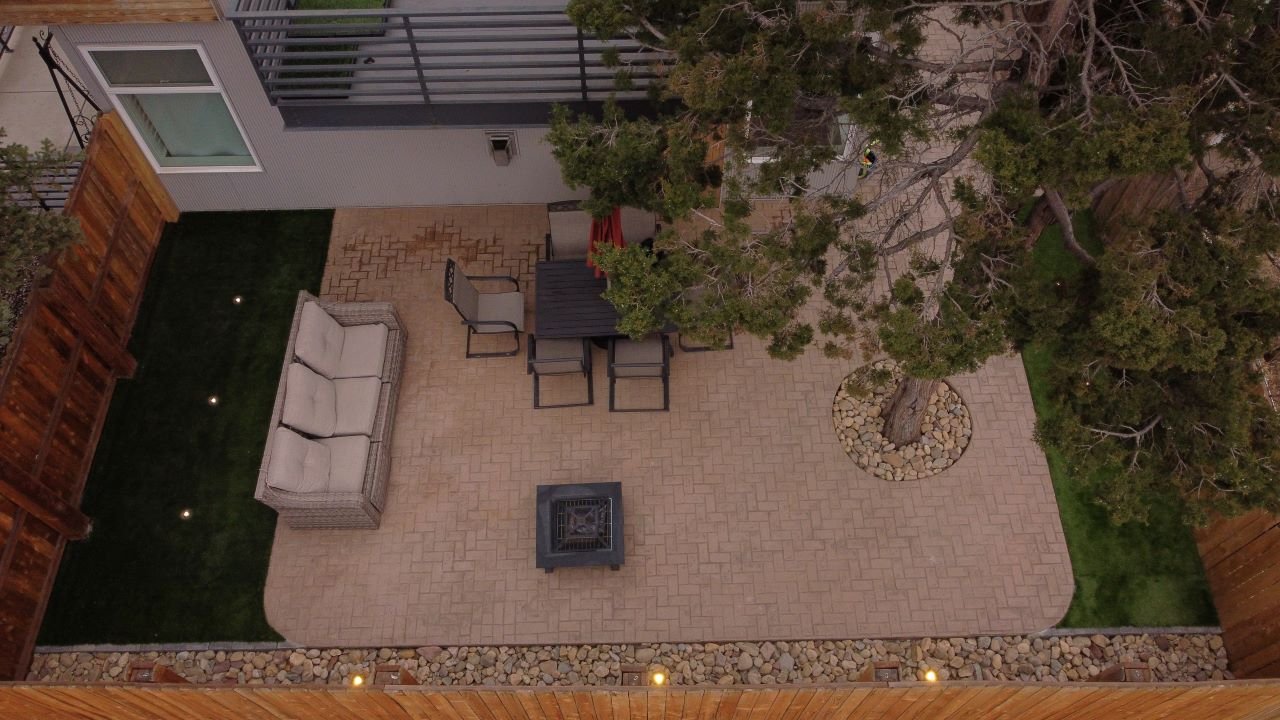
Start With Climate-Ready Layout Planning
Clear answer: A backyard built for Colorado weather starts with a layout that responds to sun, wind, slope, drainage, and daily use.
Before choosing materials or plants, the full property should be studied carefully. Colorado yards often need zones that can handle heat, dry periods, snowmelt, and seasonal use without creating unnecessary maintenance.
Key planning factors include:
Sun exposure. Determines where plants, seating areas, and shade features work best
Slope. Helps guide drainage, retaining features, and safe movement
Wind patterns. Influences plant placement and outdoor comfort
Access. Supports practical movement between patios, gates, beds, and walkways
A strong layout makes the yard feel organized and easier to use. It also prevents one-time choices from creating long-term problems. When every area has a purpose, the backyard landscape becomes more durable and more comfortable.
Balance Green Space With Low-Water Choices
Clear answer: Colorado backyards perform better when green space is balanced with water-wise planting, rock, mulch, and artificial turf where appropriate.
Traditional lawns can struggle in dry summer conditions, especially when large turf areas receive heavy use. A more resilient design uses green space intentionally instead of spreading it across the entire yard. Artificial turf can help preserve a clean, green appearance in areas where natural grass is difficult to maintain.
For more insight into this option, this article on artificial turf explains why turf has become popular in Colorado yards.
Low-water planting, mulch, and rock can also reduce exposed soil while adding texture and structure. The result is not a plain or empty yard. It is a more efficient landscape that still feels polished, usable, and visually balanced.
Build Drainage and Irrigation Into the Design
Clear answer: Drainage and irrigation should be planned together so the yard can handle both dry periods and sudden water movement.
Colorado landscapes need efficient water control. During hot weather, plants may need targeted support. During rain or snowmelt, water must move away from vulnerable areas without causing erosion or pooling.
Important water-management elements include:
Grading. Directs water away from patios, beds, walkways, and structures
Drainage. Helps prevent washout, soggy areas, and soil movement
Drip line. Supports targeted watering for planting beds and shrubs
Sprinklers. Maintains lawn areas when coverage is properly planned
A comparison statement makes the difference clear. Watering without drainage planning can create runoff, while drainage without irrigation planning can leave plants stressed. A complete design studies both sides of water movement, helping the yard stay healthier through changing weather.
Avoid Common Landscaping Fails Without Professional Planning
Clear answer: Without professional planning, a Colorado backyard can develop heat stress, erosion, disconnected features, and avoidable repair costs.
Many problems begin when design decisions are made separately. A patio may be placed before drainage is understood. Plants may be installed without matching sun exposure. A fence may interrupt access. A turf area may be added without proper base preparation.
Common failures include:
Poor drainage. Causes erosion, pooling, and damage near hardscape edges
Wrong plant placement. Leads to dry, crowded, or unhealthy planting areas
Weak material choices. Reduces durability through seasonal weather changes
Disconnected layout. Makes patios, paths, beds, and fencing feel separate
A quick upgrade may solve one visible issue, but it can create another if the full yard is not reviewed. Professional planning helps align grading, planting, irrigation, fencing, lighting, turf, and hardscape features into one long-term system.
For a closer look at planning value, this guide on professional design explains how structured decisions can prevent waste and rework.
Choose Durable Features for Year-Round Use
Clear answer: A weather-ready backyard uses durable hardscaping, defined outdoor zones, and finishing details that can handle seasonal change.
Patios, paver walkways, retaining walls, pergola areas, fire features, fences, and lighting can all help the backyard remain functional beyond one season. These elements add structure and make outdoor spaces easier to use, even as weather shifts.
Hardscaping is especially valuable because it reduces the pressure placed on lawns and planting beds. A well-positioned patio can support seating. A walkway can protect high-traffic areas. A retaining wall can help manage slope. Lighting can improve visibility after dark.
The best results come from balance. Durable features should not overpower the yard. They should support planting, movement, shade, privacy, and long-term comfort.
FAQ Section
What makes a backyard weather-ready in Colorado?
A weather-ready backyard uses climate-adapted planting, efficient irrigation, drainage, durable hardscaping, mulch, rock, and thoughtful layout planning.
Can artificial turf work in a Colorado backyard?
Yes. Artificial turf can reduce lawn maintenance and preserve green space when it is planned with drainage, edging, and surrounding landscape features.
Why is drainage important for Colorado yards?
Drainage helps manage rain, snowmelt, runoff, and erosion, protecting planting beds, patios, walkways, and soil stability.
What features improve year-round backyard use?
Patios, walkways, pergolas, fire features, lighting, fencing, retaining walls, and water-wise planting can improve long-term outdoor function.
Why is professional planning important?
Professional planning helps align soil, drainage, irrigation, plants, turf, and hardscaping so the yard performs better in changing conditions.
Where Weather-Ready Design Creates Lasting Comfort
A Colorado backyard should be designed for more than a good first impression. It needs to handle heat, dryness, wind, snowmelt, and everyday use while staying attractive and practical. A thoughtful backyard landscape brings planting, irrigation, drainage, turf, rock, mulch, and hardscaping together so the space performs well over time.
Build A Backyard Ready For Every Season
For professionally planned and expertly executed backyard landscape solutions, contact Highlands Landscaping to create an outdoor space designed for long-term comfort, practical function, and lasting visual appeal.
