
What Makes Artificial Turf Popular In Colorado Yards
Colorado yards face demanding conditions through much of the year. Strong sun, dry air, watering concerns, heavy foot traffic, and seasonal temperature changes can make traditional lawns difficult to keep consistently green. Many property owners want an outdoor space that looks clean and usable without constant mowing, watering, and repair.
Artificial turf has become popular because it offers a practical alternative to high-maintenance grass while still preserving a green, finished appearance. When planned correctly, it can support outdoor living, improve layout consistency, and reduce long-term maintenance needs. This article explains why artificial turf continues to appeal to Colorado properties and what should be considered before installation.
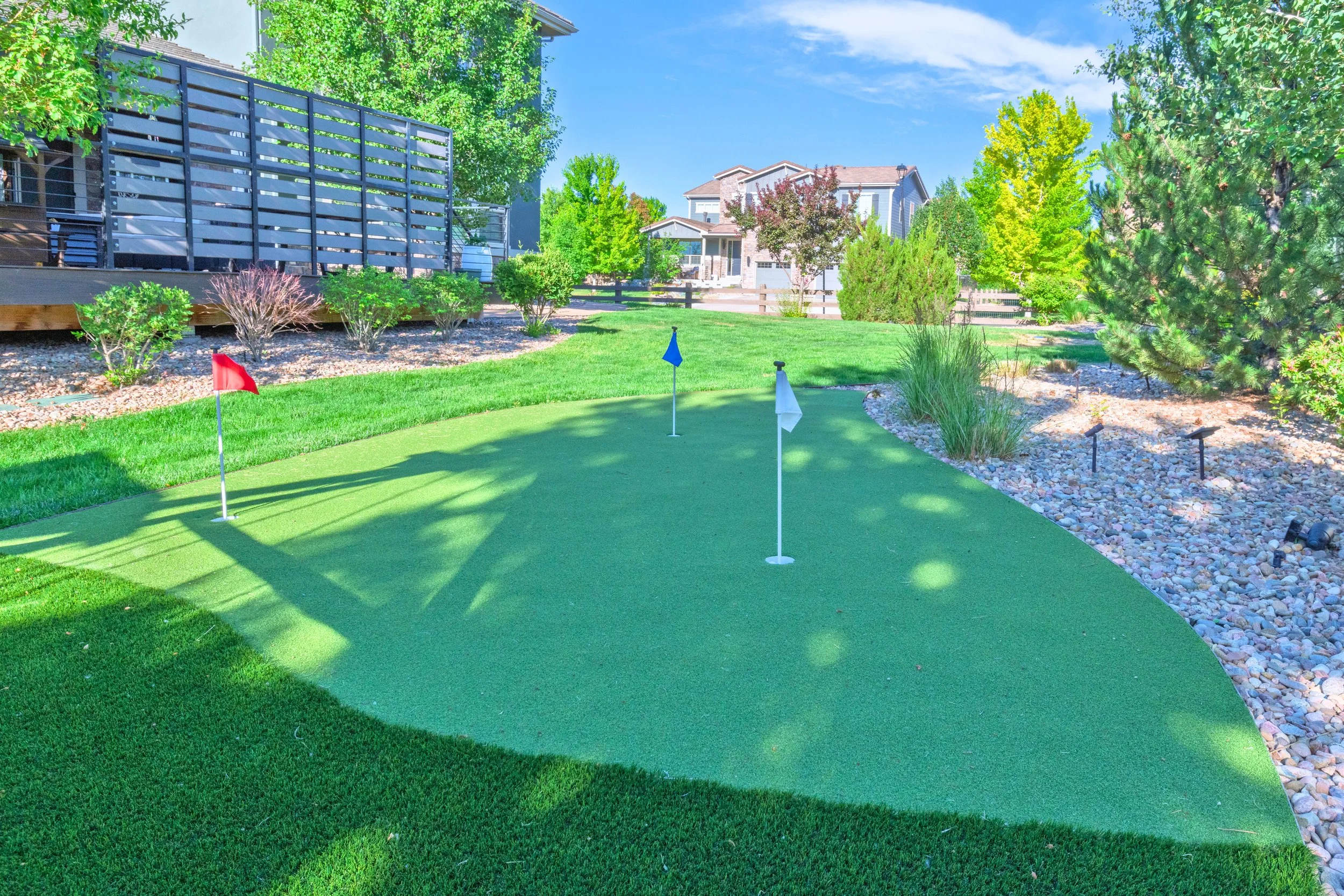
Why Artificial Turf Fits Colorado Conditions
Clear answer: Artificial turf is popular in Colorado because it provides a green, durable surface without the same water demand as a traditional lawn.
Colorado’s dry climate can make natural grass challenging, especially during hot summer months. Lawns may need frequent irrigation, mowing, patch repair, and seasonal care to stay healthy. Artificial turf helps reduce those demands while giving the yard a consistently finished look.
Key benefits include:
Water savings. Reduces the need for regular lawn irrigation
Year-round color. Keeps a green appearance through changing seasons
Lower maintenance. Limits mowing, reseeding, and repeated patch repairs
High-use performance. Supports active areas with a durable surface
A well-planned turf area can also work with rock, mulch, planting beds, edging, and hardscape features. Instead of replacing the entire landscape, turf is often most effective where green space serves a clear purpose.
Lower Maintenance Without Losing Visual Appeal
Clear answer: Artificial turf helps reduce maintenance while preserving curb appeal and outdoor usability.
A natural lawn can look beautiful, but it often requires effort. Watering, mowing, fertilizing, patching, and seasonal recovery can become time-consuming. Artificial turf reduces many of these recurring tasks while maintaining a clean and uniform surface.
Maintenance advantages include:
No mowing. Saves time and removes the need for frequent lawn cutting
Cleaner edges. Supports a more polished look near patios and planting beds
Less patching. Avoids bare spots caused by wear, shade, or heat stress
Easier upkeep. Requires routine cleaning instead of intensive lawn care
The difference is clear. A lawn-heavy yard may look attractive after careful upkeep, but it can decline quickly during heat or heavy use. A turf-integrated yard can maintain a cleaner appearance with less recurring work, especially when the surrounding landscape is planned with drainage, edging, and planting in mind.
Supporting Outdoor Living and Everyday Use
Clear answer: Artificial turf is popular because it helps create comfortable, practical outdoor areas for daily use.
Backyards are increasingly designed as extensions of the home. Turf can support seating areas, play spaces, garden transitions, side yards, and small sections where natural grass struggles. It gives the landscape a softer surface without requiring the same watering and mowing schedule.
This makes turf especially useful in yards where patios, walkways, pergolas, planting beds, and rock areas need a green element to balance the design. For related ideas, this article on summer landscape upgrades explains how thoughtful outdoor improvements can make yards more comfortable and functional.
Artificial turf also helps make smaller yards feel more organized. A defined turf section can create an open visual break between hardscape and planting areas, giving the property better structure and flow.
Common Turf and Landscaping Fails Without Professional Planning
Clear answer: Without professional planning, artificial turf can create drainage issues, uneven surfaces, poor seams, and a disconnected landscape layout.
Turf installation requires more than rolling out a surface. The ground below it matters. Base preparation, drainage, grading, edging, and surrounding features all affect how well the finished area performs.
Common mistakes include:
Weak base preparation. Causes uneven areas, settling, or surface movement
Poor drainage. Allows water to collect instead of moving properly
Incorrect placement. Makes turf feel disconnected from the landscape
Unfinished edges. Reduces the clean, polished look of the installation
A quick turf installation may seem simple at first, but long-term performance depends on site-specific planning. A professionally planned approach considers how the turf connects to patios, walkways, planting beds, rock areas, irrigation zones, and drainage patterns.
This helps the finished yard feel intentional rather than patched together.
Long-Term Value Comes From A Complete Design
Clear answer: Artificial turf adds the most long-term value when it is part of a complete landscape design rather than a stand-alone feature.
The best turf installations are planned around how the yard will function over time. Turf may reduce lawn maintenance, but it still needs proper placement and integration. It should support outdoor movement, visual balance, drainage, and the overall design.
A turf section placed without context may look separate from the rest of the yard. A turf area designed with edging, mulch, rock, planting, and hardscape features can feel much more natural and useful. This is where professional design helps protect the investment.
For broader planning insight, this guide on design savings explains how thoughtful decisions can reduce avoidable costs and improve long-term performance.
FAQ Section
Is artificial turf good for Colorado yards?
Yes. Artificial turf works well in many Colorado yards because it reduces water use, limits mowing, and provides a consistent green surface through dry or high-use conditions.
Does artificial turf need maintenance?
Yes, but it is typically lower-maintenance than natural grass. Routine cleaning, debris removal, and occasional surface care help keep it looking clean.
Can artificial turf be used with xeriscaping?
Yes. It can work with rock, mulch, native plants, drip irrigation, and hardscape elements to create a balanced low-water landscape.
Does artificial turf help reduce water use?
Yes. Since it does not require regular lawn irrigation, it can reduce the amount of water needed to maintain green areas.
Why is professional installation important?
Professional installation helps ensure proper grading, base preparation, drainage, edging, and integration with the surrounding landscape.
Where Green Space Meets Practical Outdoor Living
Artificial turf is popular in Colorado because it offers a cleaner, lower-maintenance way to preserve green space in demanding conditions. When it is planned with drainage, edging, planting, rock, mulch, and hardscape features, it can improve both daily usability and long-term landscape performance.
Create A Yard That Works Year-Round
For professionally planned and expertly installed artificial turf solutions, contact Highlands Landscaping to create an outdoor space designed for lasting beauty, practical function, and long-term value.
