
Summer Irrigation Mistakes That Can Damage Your Landscape
Summer heat can make irrigation feel simple: water more often and hope the landscape responds. In reality, that approach can damage lawns, planting beds, soil, and hardscape edges when the system is not matched to the property. Too much water can create runoff and erosion, while too little water can stress plants and weaken root systems. Uneven coverage can leave one area soggy and another area dry.
Understanding common irrigation mistakes helps protect the landscape before damage becomes visible. With the right plan, watering can support healthier plants, stronger soil, and better long-term outdoor performance without wasting water or creating preventable repair problems.
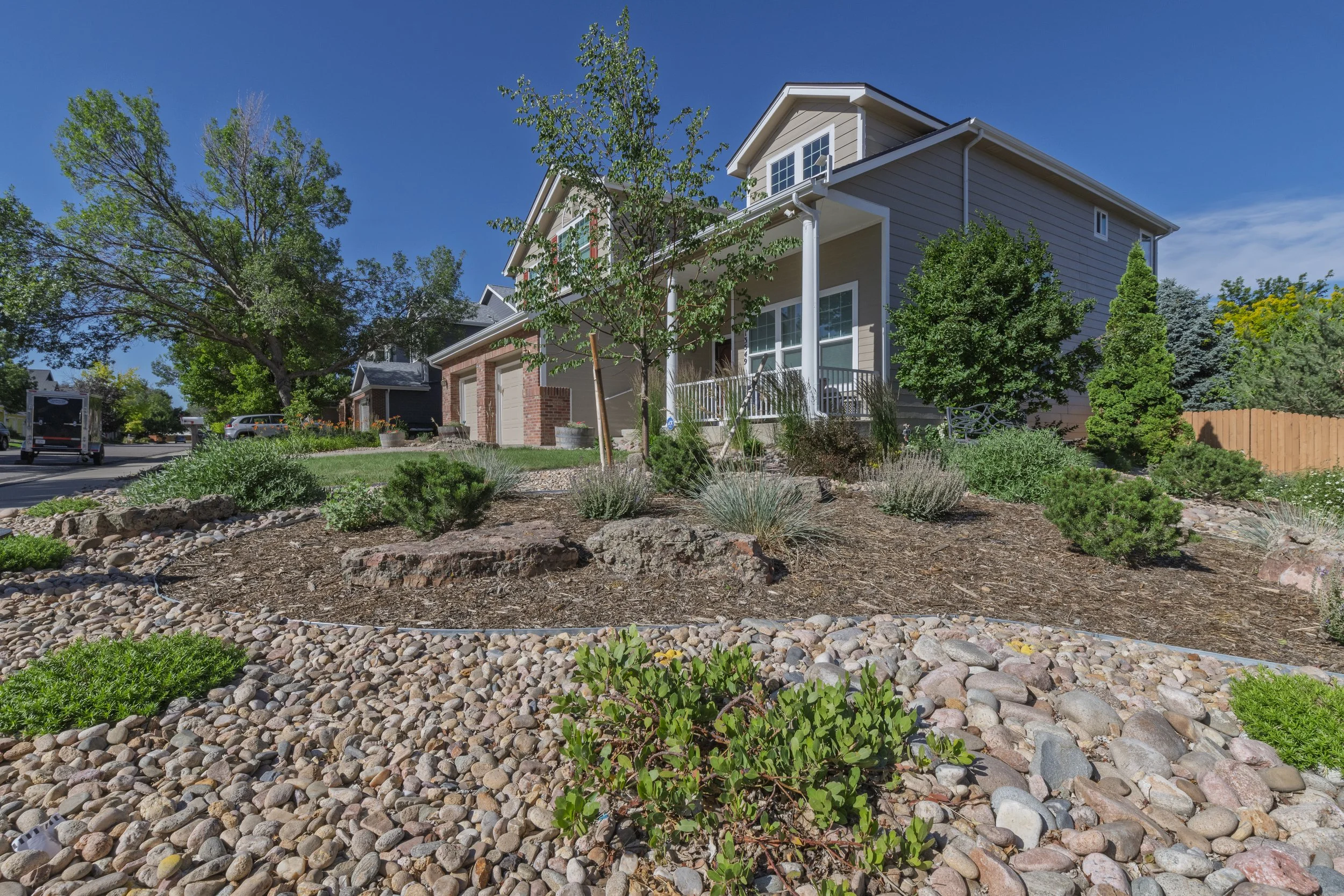
Overwatering Creates More Problems Than It Solves
Clear answer: One of the most common irrigation mistakes is using too much water, which can weaken soil, damage roots, and increase runoff.
Many landscapes show stress in summer, but more water is not always the answer. Overwatering can saturate soil, reduce oxygen around roots, and send excess water across lawns, beds, patios, and walkways.
Common signs of overwatering include:
Pooling. Leaves standing water in low areas or along hardscape edges
Runoff. Carries soil, mulch, and nutrients away from planting beds
Soft ground. Creates unstable soil around lawns, plants, and walkways
Weak roots. Encourages shallow growth that struggles during heat
A good irrigation plan supports plant health without creating surface water problems. Drainage also matters because water must move safely through the property. This guide on erosion protection explains how water movement affects soil stability and landscape performance.
Poor Coverage Leaves Landscapes Uneven
Clear answer: Poor irrigation coverage damages landscapes by watering some areas too heavily while leaving other areas under-watered.
Sprinklers and drip line systems need proper layout, spacing, and timing. When heads are blocked, spray patterns overlap incorrectly, or drip lines do not match plant placement, the landscape receives uneven moisture. This can create patchy turf, stressed shrubs, dry planting beds, and soggy corners.
The difference is clear. A system that runs often but waters unevenly may still leave plants struggling. A system planned around zones, plant needs, and site conditions can use less water while supporting better results.
Coverage problems are especially common when landscapes change over time. New planting beds, raised planters, edging, rock areas, or hardscape features can affect how water reaches the right places. Irrigation should be reviewed as the landscape matures, not treated as a one-time setup.
Ignoring Plant Needs and Irrigation Zones
Clear answer: Irrigation should match plant type, root depth, sun exposure, and soil conditions, not just a fixed summer schedule.
Different areas of a yard often need different watering approaches. Lawn areas, native plants, raised beds, and mulch-covered planting zones do not all use water the same way. When every zone receives the same amount of water, some areas are overwatered while others remain stressed.
Important zoning factors include:
Sun exposure. Changes how quickly soil dries during the day
Plant type. Determines how much water each area actually needs
Soil condition. Affects absorption, drainage, and root development
Irrigation type. Matches sprinklers, drip line, or planter irrigation to the space
This is why planning matters. A water-efficient yard uses irrigation as part of a larger design, not as a separate system. For related water-saving ideas, this article on xeriscaping benefits explains how low-water design can reduce strain on Colorado landscapes.
Common Landscaping Fails Without Professional Planning
Clear answer: Without professional planning, irrigation mistakes can create plant decline, erosion, water waste, and higher long-term maintenance costs.
Many irrigation problems begin when watering decisions are made without looking at the full landscape. A sprinkler area may be installed before grading is understood. A drip line may be placed without considering plant spacing. A schedule may be set without accounting for sun, soil, or seasonal heat.
Frequent problems include:
Wrong timing. Waters during conditions that reduce absorption or increase waste
Poor grading. Sends irrigation runoff toward patios, beds, or low areas
Mismatched zones. Groups plants with different water needs together
Neglected adjustments. Keeps the same schedule after plants or weather change
A quick watering change may seem helpful, but it can create new issues if drainage, plant health, and landscape layout are ignored. Professional planning helps align irrigation, grading, planting, and hardscaping so the system supports the whole property.
Protecting Long-Term Landscape Health
Clear answer: The best way to avoid irrigation mistakes is to manage watering as part of the landscape’s long-term health plan.
A healthy summer landscape depends on consistency, not guesswork. Irrigation should support deep roots, stable soil, and efficient water use. It should also adapt as plants establish, turf changes, mulch breaks down, and outdoor spaces are upgraded.
Long-term irrigation planning considers where water is needed, how it moves, and what happens after it reaches the soil. Sprinklers may support lawn areas, while drip line and planter irrigation can provide targeted moisture to planting zones. Drainage and grading help prevent excess water from damaging the landscape.
When irrigation works with the full design, the yard becomes easier to maintain and more resilient through summer heat.
FAQ Section
What are the most common summer irrigation mistakes?
The most common mistakes include overwatering, uneven sprinkler coverage, poor zone planning, poor drainage awareness, and failing to adjust watering during seasonal changes.
Can too much irrigation damage a landscape?
Yes. Too much water can cause runoff, erosion, shallow roots, soggy soil, and damage around planting beds or hardscape edges.
Is drip line irrigation useful in summer?
Yes. Drip line irrigation can send water directly to planting areas, helping reduce waste when it is properly planned and placed.
Why does part of my yard stay dry?
Dry areas may result from blocked sprinkler heads, poor spray coverage, incorrect timing, compacted soil, or mismatched irrigation zones.
Should irrigation be planned with landscaping?
Yes. Irrigation should be planned with planting, grading, drainage, turf, mulch, and hardscaping so the entire landscape performs better.
Where Smarter Watering Protects Outdoor Value
Summer irrigation mistakes can quietly damage a landscape through runoff, overwatering, dry spots, and poor plant support. When watering is planned around soil, drainage, plant needs, and long-term performance, the landscape becomes healthier, more efficient, and easier to maintain.
Keep Your Landscape Strong Through Summer
For professionally planned and expertly installed irrigation solutions, contact Highlands Landscaping to create an outdoor space designed for healthier growth, smarter water use, and lasting landscape performance.
