
Outdoor Landscape Lighting Ideas for Denver Homes This Coming Fall
Fall changes how Denver homeowners use their outdoor spaces. The days become shorter, evening temperatures shift, and backyard areas that felt open and inviting in summer may become harder to enjoy after sunset. Walkways, steps, patios, fences, planting beds, and gathering areas can lose their function when visibility is limited. Without a thoughtful lighting plan, an outdoor landscape may feel unfinished once daylight fades.
Outdoor lighting helps extend comfort, safety, and visual appeal into the evening. With the right layout, a Denver home can feel warmer, more usable, and better connected through the fall season. These ideas support long-term outdoor enjoyment.
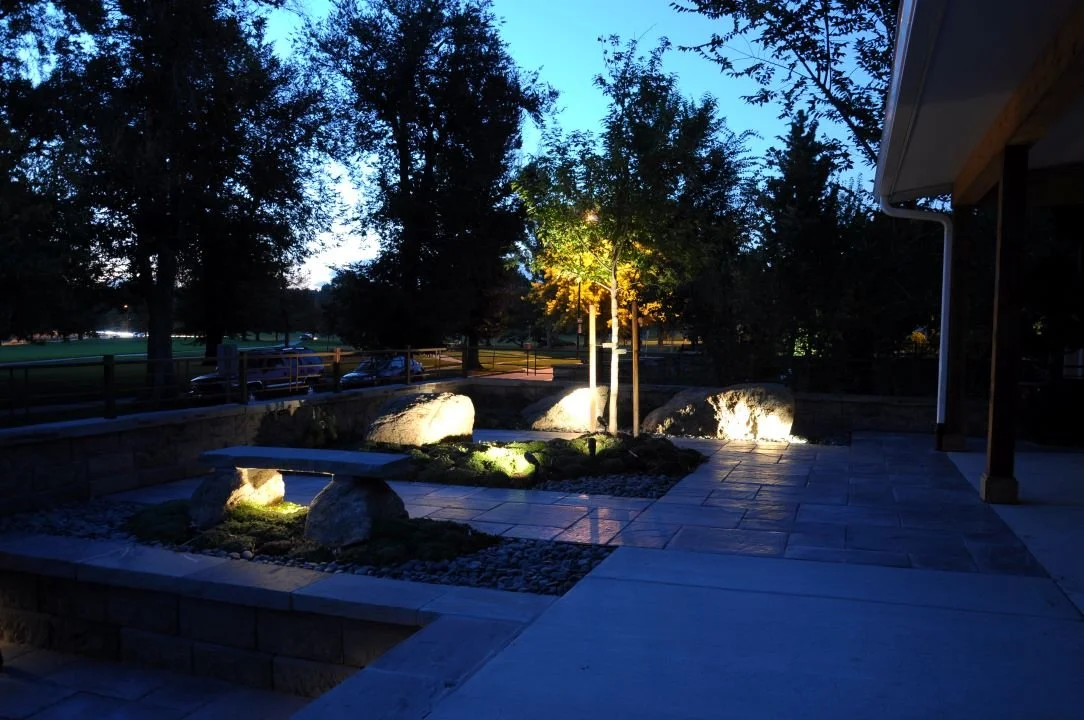
Plan Lighting Around Fall Use and Daily Movement
Clear answer: The best fall lighting plan begins by identifying how the outdoor space will be used after dark.
A strong lighting layout should support real movement, not just decorate the yard. During fall, homeowners often use patios, side paths, gates, and entry areas earlier in the evening because sunset arrives sooner. Lighting should make those transitions easier to see and more comfortable to use.
Helpful planning points include:
Pathways. Guide movement between the home, patio, garden beds, and gates
Seating areas. Keep gathering spaces comfortable after daylight fades
Steps. Improve visibility where elevation changes create safety concerns
Focal points. Highlight trees, stonework, fencing, or architectural details.
Lighting works best when it is planned with the whole landscape. This guide on summer outdoor upgrades shows how outdoor improvements can support comfort, flow, and long-term usability.
Use Path Lights and Cap Lights for Safer Evenings
Clear answer: Path lights and cap lights help make an outdoor landscape safer and more usable during darker fall evenings.
Path lights are especially valuable along walkways, garden edges, steps, and routes between outdoor zones. They create a soft line of visibility without overpowering the space. Cap lights can add low-profile illumination along walls, pillars, steps, or fence-related features, helping edges feel more defined.
Important areas to consider include:
Entrances. Help guests move safely from the driveway or sidewalk
Walkways. Reduce uncertainty along curves, edges, and planted borders
Steps. Make changes in elevation easier to notice after dark
Seating edges. Clarify where patios, walls, and gathering spaces begin.
The difference is clear. A single bright fixture may light one area but leave harsh shadows elsewhere. A layered path-and-cap-light plan spreads visibility more evenly, helping the yard feel safer and more polished.
Add Warmth With Accent and Up Lighting
Clear answer: Accent lighting and up lighting improve fall ambience by highlighting the best features of the property without making the space feel harsh.
Evening landscapes should feel warm, not overly bright. Uplighting can draw attention to trees, shrubs, rocks, and architectural features. Accent lighting can create depth around patios, planting areas, and outdoor-living zones. Together, these lighting choices make the yard feel more dimensional after sunset.
A comparison statement helps show the value. Basic lighting often focuses only on visibility, while a complete lighting design considers mood, comfort, and visual balance. Over-lighting can flatten the landscape and create glare. Under-lighting can leave important areas unusable. A well-planned system brings enough brightness for safety while preserving the relaxed atmosphere that makes fall evenings enjoyable.
This balance is especially important in Denver, where outdoor spaces often shift from bright afternoon sun to cooler, darker evenings quickly.
Avoid Common Lighting Fails Without Professional Planning
Clear answer: Without professional planning, outdoor lighting can create glare, dark gaps, exposed problem areas, and a disconnected landscape appearance.
Lighting mistakes are often caused by treating fixtures as separate additions instead of parts of a full outdoor system. A light may be placed where it looks useful during installation, but later it may shine into windows, miss the walkway, or create uncomfortable brightness.
Common problems include:
Glare. Makes patios, paths, or windows uncomfortable at night
Uneven coverage. Leaves dark gaps along steps, edges, and walkways
Poor placement. Highlights the wrong areas or creates distracting shadows
Weak coordination. Makes lighting feel separate from planting and hardscaping
Professional planning helps reduce these issues by reviewing views, wiring routes, spacing, fixture height, safety needs, and long-term maintenance. The goal is not to add more lights everywhere. The goal is to place the right lighting in the right locations so the entire outdoor landscape works better after dark.
Connect Lighting With the Full Fall Landscape
Clear answer: Outdoor lighting performs best when it is integrated with patios, walkways, fences, pergolas, planting beds, and hardscape features.
A fall lighting plan should support the entire outdoor experience. Path lights can guide movement. Up lights can add depth to trees and shrubs. Spotlights can highlight selected features. Cap lights can define steps, walls, and structural edges. When these elements work together, the yard feels cohesive instead of divided into separate dark and bright zones.
Lighting can also support privacy and comfort. Fences, plantings, and pergola areas feel more complete when visibility is considered as part of the design. For a deeper look at evening use, this article on backyard lighting explains how lighting can extend outdoor enjoyment after sunset.
A complete plan helps fall outdoor spaces remain practical, safe, and inviting.
FAQ Section
What outdoor lighting works best for Denver homes in fall?
Path lights, cap lights, up lights, and spotlights can work well when they are planned around safety, movement, focal points, and evening comfort.
Can outdoor lighting improve safety?
Yes. Lighting can make walkways, steps, entrances, patio edges, and darker corners easier to see after sunset.
Does outdoor lighting add curb appeal?
Yes. A thoughtful lighting plan can highlight landscaping, trees, stonework, fences, and architectural features for a more polished evening appearance.
Should lighting be planned before fall?
Planning before fall helps ensure the system supports shorter days, darker evenings, and seasonal outdoor use.
Why is professional planning important?
Professional planning helps avoid glare, poor placement, uneven coverage, wiring concerns, and lighting that does not fit the full landscape.
Where Fall Evenings Become More Enjoyable
Outdoor lighting can transform a Denver yard from a daytime-only space into a more comfortable and functional evening environment. When lighting is planned around safety, warmth, movement, and long-term use, the outdoor landscape feels more complete through the fall season and beyond.
Light Your Landscape With Purpose
For professionally planned and expertly installed outdoor lighting solutions, contact Highlands Landscaping to create an outdoor space designed for safer movement, warmer evenings, and lasting visual appeal.
